Asia13 December, 20253 min read
Thailand Attacks Cambodian Civilians Along Border, Cambodia Accuses
This article is an automated aggregation of coverage from news outlets. Our editorials offer in-depth analysis curated by the NewsCord team.
Thai fighter jets allegedly dropped seven bombs on Cambodian territory on Dec. 13 Thai Prime Minister Anutin vowed to continue military operations despite Trump's ceasefire claim

23 outlets told this the same way.
Outlets did split on Avalanche Strikes Himlung Himal Base Camp In Nepal, At Least 10 Missing →
Cambodia-Thailand border clashes
Cambodia accused Thailand of renewed attacks along their 800‑km shared border after days of heavy fighting that left dozens dead, hundreds wounded and forced large-scale evacuations.
“On Dec. 13, 2025 Cambodia accused Thailand of renewed attacks — saying two F-16s dropped seven bombs and the Thai navy fired about 20 shells into Koh Kong province, damaging hotels and beaches, though officials reported no new casualties from those strikes.”
Cambodian officials said two Thai F-16s dropped seven bombs and that the Thai navy fired shells into Koh Kong and Pursat provinces, damaging hotels, bridges and beaches.

Thai authorities said they were responding to cross-border fire and insisted their actions were self-defense.
Multiple outlets reported the clashes followed a Dec. 7 skirmish and the collapse of a truce that had been brokered earlier in the year.
The fighting was described as the worst since a July confrontation, with intense exchanges of artillery, rockets and air strikes reported on both sides.
Cambodia-Thailand clash claims
Cambodian authorities alleged Thai F-16s dropped multiple bombs on Dec. 13 and said naval gunfire struck coastal areas, while Thai officials countered that Cambodian forces fired rockets into Thai provinces and that Thai strikes were retaliatory.
Multiple outlets published evidence and accusations from both sides, with Thailand releasing images it said showed landmines that wounded Thai soldiers and Cambodia saying damaged infrastructure, including hotels and a bridge, was hit by Thai bombs.

Reports indicate both countries used airpower, artillery and rockets, but accounts differ on who fired first and on whether incidents such as a roadside blast that maimed Thai soldiers were accidental or deliberate.
Humanitarian impact and counts
Reported human cost varies by outlet but is consistently serious, with most sources placing deaths in the dozens, injuries in the hundreds, and displacements in the hundreds of thousands. Some outlets report at least 20-23 killed and about 200-260 wounded, while displacement estimates range roughly from 500,000 to 700,000 people evacuated across both countries. The variance reflects rapidly changing counts, differing thresholds for who is counted as a civilian or combatant, and pockets of reporting that rely on official tallies from either Phnom Penh or Bangkok.
“The violence has killed at least 21 people and forced roughly 700,000 people on both sides to evacuate.”
Thailand-Cambodia border dispute
The flare-up sits atop a long-running territorial dispute dating to colonial maps and a cycle of tit-for-tat strikes that flared in July and resumed in December after an incident injured Thai soldiers.
Diplomatically, former U.S. President Donald Trump and Malaysian Prime Minister Anwar Ibrahim were reported to have been involved in brokering an October truce, which both Bangkok and Phnom Penh have since accused the other of violating.
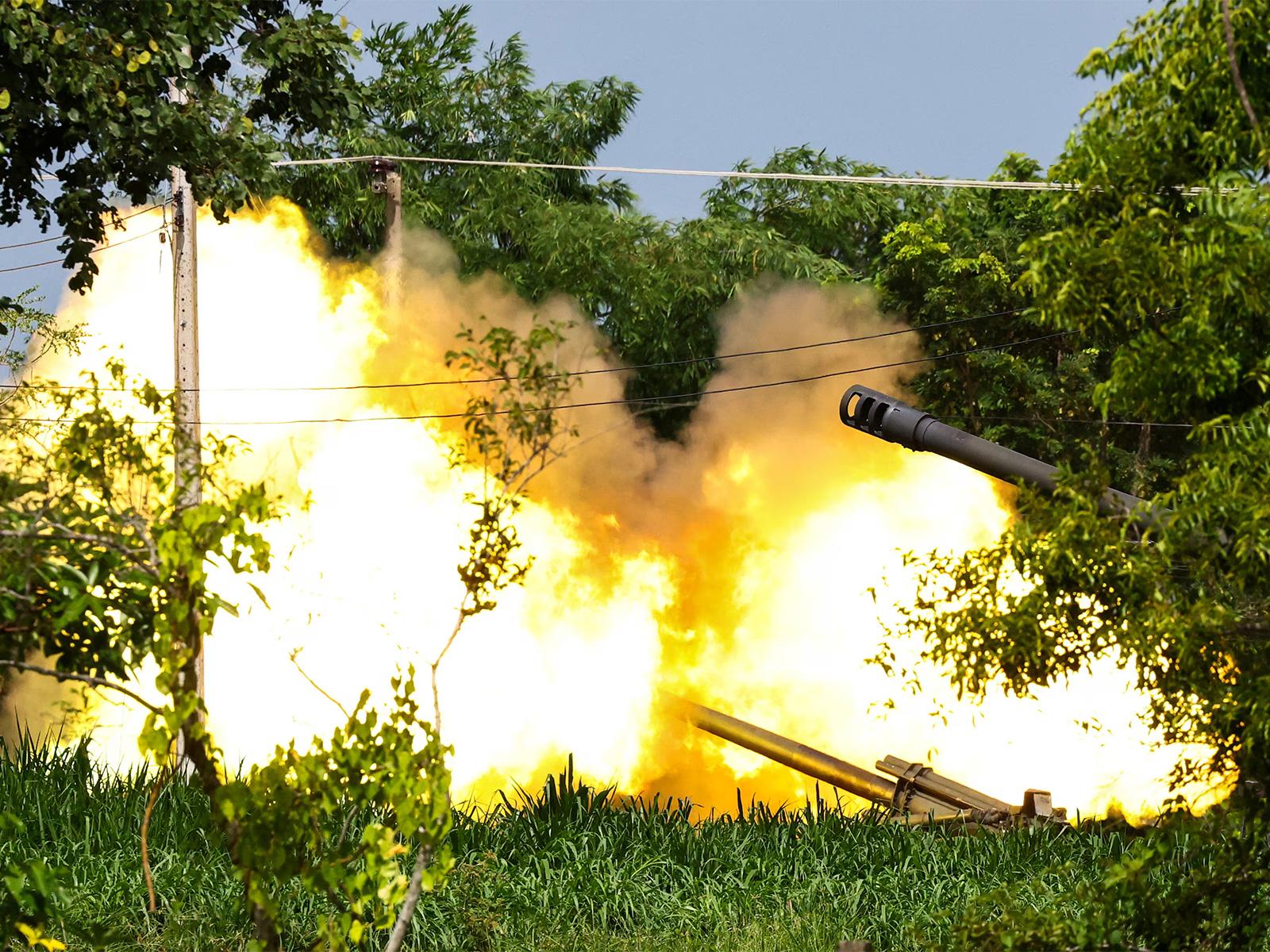
Thailand's prime minister and defence leadership have framed continued military action as necessary to remove threats.
Cambodia's leadership has appealed to international actors, including the U.S. and Malaysia, to help verify who opened fire and to push for a peaceful settlement.
Regional conflict mediation outlook
International actors and regional bodies have urged calm and verification. Coverage varies on likely next steps: some reports say Malaysia and ASEAN will seek to mediate and monitor a ceasefire, while others warn that domestic politics and mutual distrust make a lasting settlement unlikely.
“Malaysia plans to convene ASEAN foreign ministers to try to ease tensions, and Timor‑Leste’s prime minister urged ASEAN to push both sides toward dialogue.”
Observers note that trade and migration ties already show economic impact and that high-profile mediation claims have not prevented renewed violence on the ground. Both sides accuse the other of initiating strikes, and different outlets offer divergent casualty and displacement figures, so the immediate outlook appears uncertain and volatile.