Asia08 December, 20253 min read
Thailand Launches Airstrikes on Cambodia, Kills Four Civilians
Thai forces launched airstrikes against Cambodian positions along their disputed border. Airstrikes and clashes killed four Cambodian civilians and one Thai soldier; multiple others were wounded.

67 outlets told this the same way.
Outlets did split on Avalanche Strikes Himlung Himal Base Camp In Nepal, At Least 10 Missing →
Thailand-Cambodia border strikes
Thailand launched pre-dawn airstrikes into Cambodian territory on Dec. 8 after clashes along the long-disputed border.
“Thailand and Cambodia traded blame after fresh border fighting that left one Thai soldier dead and, according to Cambodian officials, four Cambodian civilians killed.”
Bangkok said it targeted Cambodian military positions in retaliation for attacks on Thai troops.
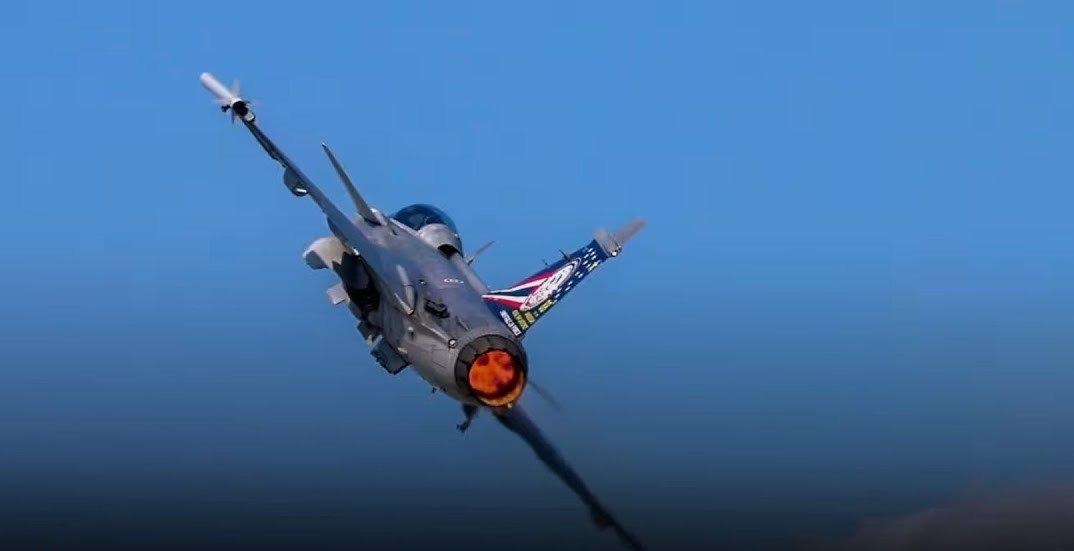
Thai authorities said the strikes followed an assault that killed one Thai soldier and wounded others.
They said aircraft struck military infrastructure such as weapon depots and command sites near the Chong An Ma/Chong Bok passes.
Cambodian officials denied provoking the incident and reported civilian casualties in Preah Vihear and Oddar Meanchey.
Multiple outlets reported the basic sequence: Thai forces carried out strikes, each side accuses the other of starting the fighting, and both report military and civilian impacts.
Precise casualty counts and timing claims differ between sources.
Displacement figures overview
Reports described the human cost and displacement at scale but gave divergent figures, with regional and Thai government counts emphasizing massive evacuations and sheltering while some outlets focused on immediate local displacements and injuries. Thai authorities and several regional outlets said hundreds of thousands were affected or ordered to move, with figures such as more than 385,000 or roughly 380,000 appearing in Thai statements and in sources that cite them, while other reports noted tens of thousands in shelters and thousands of families relocated on the Cambodian side. Across reports there is agreement the clashes forced large numbers from their homes, but exact tallies vary by outlet and by which authority is quoted.
Thailand-Cambodia clash
Both capitals reiterated opposing accounts of who fired first and whether the strikes hit civilians or only military targets.
“Bangkok said Cambodian shelling around 7:00 a.m. in the Chong Bok area of Nam Yuen district killed one Thai soldier and wounded four; Thai troops returned fire and used fighter jets to strike Cambodian artillery and mortar positions.”
Thailand’s military framed the operations as defensive, saying Cambodia opened fire and used artillery and rockets.
Thailand also said its strikes hit military sites and followed international protocols.
Cambodian officials denied returning fire, described the Thai attacks as unjustified, and blamed Bangkok for civilian deaths.
The clash reopened questions about a Kuala Lumpur-brokered ceasefire signed in October that was witnessed by Malaysia’s Anwar Ibrahim and former U.S. President Donald Trump.
Thailand had partly suspended the ceasefire after a landmine maimed a soldier, and media coverage says the agreement is under severe strain.
Diplomatic responses and dispute
International and regional actors urged restraint and engaged diplomatic channels but had limited immediate leverage to halt the fighting, according to reports. Malaysia’s prime minister and ASEAN chair Anwar Ibrahim, who helped broker the October accord, publicly warned both sides to avoid escalation.
Human-rights groups called for protection of civilians and strict adherence to international humanitarian law. Coverage noted that outside pressure from ASEAN, the United States, and China could influence next steps, but several outlets emphasized that the underlying territorial dispute—rooted in colonial-era maps around temples such as Preah Vihear—remains unresolved and prone to flaring.

Cross-border reporting summary
Reporting across outlets shows consistent facts about renewed cross-border fighting, evacuation, and strained diplomacy, but important ambiguities remain. Key uncertainties include casualty totals—especially civilian deaths—the exact sequence of who fired first, and the proportionality and lawfulness of Thailand’s strikes, which published reports repeat without independent verification. Readers should therefore treat competing official claims as unresolved and note the pronounced difference in emphasis between military-focused accounts and human-rights-centered coverage.
“Cambodia denied provoking the incident, saying Thai forces fired first and that the strikes killed civilians in Oddar Meanchey and Preah Vihear and wounded about 10 people.”