Asia26 December, 20252 min read
Thailand Launches Brutal Air and Artillery Attacks on Cambodia During Peace Talks, Violates Ceasefire
This article is an automated aggregation of coverage from news outlets. Our editorials offer in-depth analysis curated by the NewsCord team.
Thai forces conducted airstrikes and heavy artillery on disputed Cambodia border areas during peace talks Cambodia accused Thailand of violating a ceasefire and destroying civilian homes and infrastructure

9 outlets told this the same way.
Cambodia Thailand border clashes
Cambodia accused Thailand of launching heavy air and artillery strikes during ongoing peace talks, saying Thai F-16 jets dropped as many as 40 bombs around Chok Chey village in Banteay Meanchey province between 6:08 and 7:15am. The attack came even as officials from both countries met to halt the fighting and while four-day talks that began on December 24 continued amid the accusations.
“Cambodia accused Thailand of stepping up bombardment of disputed border areas on Friday — saying Thai F-16 jets dropped as many as 40 bombs around Chok Chey village in Banteay Meanchey province between 6:08–7:15am — even as officials from both countries were holding multi-day talks at a border checkpoint to try to halt the fighting.”
Multiple outlets report the clashes have intensified this month, with renewed fighting killing more than 40 people and displacing roughly a million civilians across border provinces. Both sides publicly blamed each other for breaking the ceasefire as defence ministers prepared to meet to try to stem the violence.
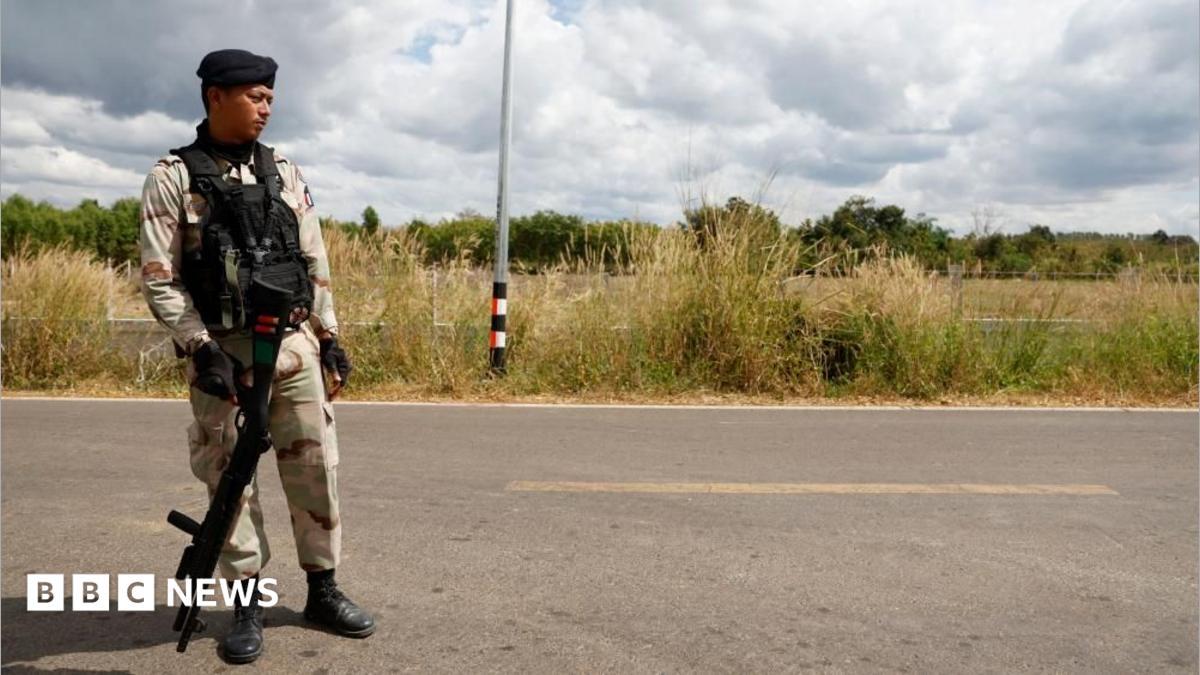
Thailand-Cambodia border strikes
Thailand has publicly denied deliberate attempts to sabotage talks. Thai officials and media framed the operations as self-defence after alleged border provocations. The Royal Thai Air Force, reported via mezha.net/BBC, said it struck a fortified position after civilians had left the area.
Cambodia's Ministry of Defense described the strikes as indiscriminate attacks that wounded civilians. Both sides continue to blame the other for ceasefire violations as talks proceed and defence ministers prepare to meet.
&w=1920&q=75)
Border conflict and ceasefire talks
The fighting has reopened long-running territorial disputes rooted in colonial-era border demarcation and temple sites. The collapse of a July truce brokered by the US, China and Malaysia underscores the fragility of ceasefire arrangements.
“The conflict stems from a long-running territorial dispute over colonial-era border demarcation and temple ruins along their roughly 800-km frontier.”
Sources say the conflict has spread across nearly every border province. Defence ministers from both sides were due to meet as officials held multi-day talks at a border checkpoint aiming to halt the violence.
International responses and mediation
International actors have expressed concern and offered mediation. Firstpost reports the US voiced concern about a regional escalation and offered to mediate. Secretary of State Marco Rubio told Cambodian Prime Minister Hun Manet that President Trump supports peace efforts.
Russia urged a diplomatic settlement. Observers and regional actors have called for restraint as defence ministers prepare to meet.

The coverage presents a mix of urgent humanitarian alarm, diplomatic manoeuvring, and disputed operational claims. There is not yet a single verified narrative of events.