
The folly of ‘unconditional surrender’: Fukuyama, ‘The End of History’ author, on why Iran won’t yield to Washington
Key Takeaways
- Washington demands unconditional surrender from Tehran, reviving 1945-era rhetoric.
- Fukuyama is skeptical of unconditional surrender as a policy concept.
- He says unconditional surrender assumes a coherent polity, which is unrealistic.
Unconditional surrender concept
Grand phrases have a way of sounding decisive in wartime.
“Grand phrases have a way of sounding decisive in wartime”
“Unconditional surrender” is one of them.
It carries the echo of 1945, of emperors capitulating and wars ending cleanly on the deck of a battleship.
The phrase has resurfaced in Washington’s demands toward Tehran, but political scientist Francis Fukuyama has met it with skepticism.
Among other problems, he notes, he assumes a coherent political order capable of surrender, something that simply does not exist in Iran, and perhaps never did.
Trump’s surrender push
Donald Trump recently demanded Iran’s “UNCONDITIONAL SURRENDER”, promising that the country would later be rebuilt into something “economically bigger, better, and stronger than ever before” under new and “acceptable” leadership.
In a high‑profile social media message, he even riffed on his own political brand with the slogan “Make Iran Great Again,” a play on Make America Great Again that projected confidence in military force and the idea of remaking another state in Washington’s image.
The declaration raised an obvious question: what exactly is this war meant to achieve?
The misplaced confidence behind “unconditional surrender” is easier to understand in light of the administration’s recent success in Venezuela, where a swift operation captured President Nicolás Maduro.
It was the kind of clean, decisive outcome that can encourage faith in the simple power of force.
When Donald Trump later joined Prime Minister Benjamin Netanyahu in launching strikes on Iran, he seemed to be hoping for something similar, a short campaign ending in quick capitulation.
Instead, the war spread across the Middle East, with Iran firing missiles and drones at American allies and bases around the Persian Gulf.
It quickly became clear that what remained of the Iranian leadership was not about to surrender, and that the conflict could stretch on for weeks.
Iran’s decentralized power
Which leaves a deeper uncertainty at the heart of the war itself.
“Grand phrases have a way of sounding decisive in wartime”
Is the aim to dismantle Iran’s nuclear programme, topple its leadership, reassure American allies, or somehow reshape Iranian society?
Or is it something more ambitious, a civilisational project framed in the language of democracy?
US options and history takeaway
If, as Fukuyama expects, the Iranian regime does not capitulate, the United States faces three unappealing options.
It could step back after degrading Iran’s military capabilities, leaving a weakened but still dangerous Islamic Republic in place.
It could escalate by sending in ground forces, a move fraught with both military and political risks.
Or it could expand the bombing campaign to civilian infrastructure, power grids, desalination plants, transportation networks, inflicting suffering on the very population the United States claims it is trying to protect or liberate.
None of these paths matches the dramatic clarity suggested by the phrase “unconditional surrender.”
As Fukuyama notes, the words may simply have appealed to the president without much thought about how they could backfire.
“I’m tempted to believe,” he wrote, “that Trump just liked the sound of the words, without thinking through the ways in which they could come back to haunt him.”
More fundamentally, the war was entered without a clear objective: the United States can degrade Iran’s capabilities, he concludes, but it cannot easily end the Islamic Republic, or control what comes after.
History, it seems, was never going to end so neatly
More on Iran
Iranian Women's Soccer Captain Zahra Ghanbari Withdraws Asylum Bid in Australia
10 sources compared
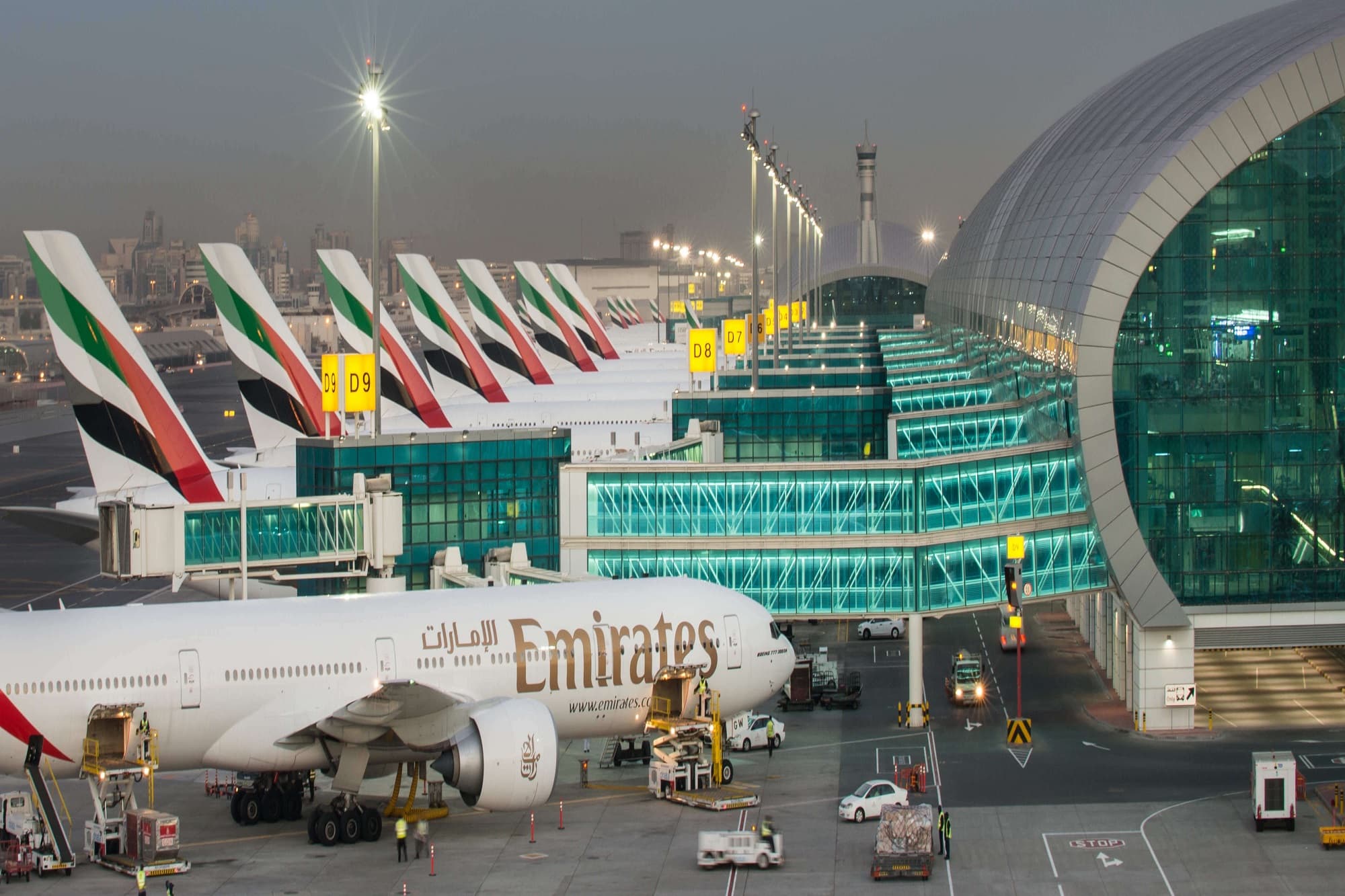
Iranian Drone Strike Shuts Dubai International Airport, Thousands Stranded
25 sources compared

Iran Drone Strike Shuts Dubai International Airport, Triggers Global Travel Disruption
16 sources compared

Iran's New Supreme Leader Mojtaba Khamenei Travels to Moscow for Leg Surgery
15 sources compared