
The global oil crisis is even worse than it looks
Key Takeaways
- The Strait of Hormuz's closure risk materialized with the outbreak of war in Iran.
- Before the war, about one-third of seaborne oil exports transited the Strait daily.
- About a fifth of global natural gas shipments flowed through the strait before the war.
Strait closure and shock
For decades, energy traders treated a closure of the Strait of Hormuz as a remote “tail risk,” because Iran could threaten the waterway but could not follow through without gravely damaging its own economy.
“The oil market’s worst nightmare just came true”
Before today’s war in Iran, about one-third of the world’s seaborne oil exports and a fifth of global natural gas shipments flowed through the strait each day.
Now the war has made that scenario a reality: oil prices have soared and Gulf state producers have throttled production because they cannot get all their crude to market and have no place to put their unsold stocks.
Today’s oil shock is the largest in history, the article reports.
Unprecedented supply shock
The scale of the disruption is unprecedented: Gregory Brew says the current disruption — 20 million barrels a day unable to flow for over a week — is the largest supply shock in history by at least a factor of two, roughly twice the 1979 shock.
Markets have responded with extreme volatility, with oil prices repeatedly rising or falling by more than 20 percent in a single day as investors struggle to interpret the path ahead.
The article frames this as a supply shock transformed by shut-ins, not merely a temporary shipping disruption.
Economic and commodity impacts
The shock will ripple across fuels and commodities: Brew highlights that higher prices for middle distillates, particularly diesel, will raise construction and industrial costs worldwide and broadly depress economic activity, while surging jet fuel prices will lead to higher airfares.
“The oil market’s worst nightmare just came true”
The crisis is both an oil and a gas crisis — about 20 percent of global LNG supply cannot get to market because Qatar cannot move LNG through the Strait — and Europe’s low winter gas inventories and East Asia’s exposure (notably South Korea and Taiwan) make them vulnerable.
The Persian Gulf’s role as a major producer of agricultural inputs, particularly fertilizer, means the shock is likely to raise food costs in regions such as South Asia.
Responses and long-term outlook
Policy responses face limits and risks: a key takeaway is that the United States probably can’t clear the Strait of Hormuz without ending its war with Iran.
The White House has suggested naval escorts, and Brew says a sufficient naval buildup by the US, France, and others could support some traffic resuming, but shipping firms may stay sidelined and navies cannot stop every threat.
Drones are the most relevant danger because Iran retains thousands of them; Brew says the US Navy has experience shooting down Iranian drones but that most is not all, and a few successful strikes on tankers would keep traffic disrupted.
He argues Iran entered the conflict assuming it could absorb costs and that it can outlast Trump, and he quotes the regime’s logic that so long as the Islamic Republic remains standing and defiant by the end of this conflict, they will have secured a victory.
The article warns that shut-ins remove barrels from the market for months, meaning higher prices could persist for a prolonged period, potentially stretching into 2027.
More on Iran
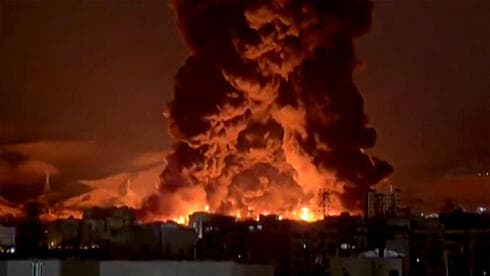
US obliterates military targets on Iran’s Kharg Island, Trump warns
13 sources compared
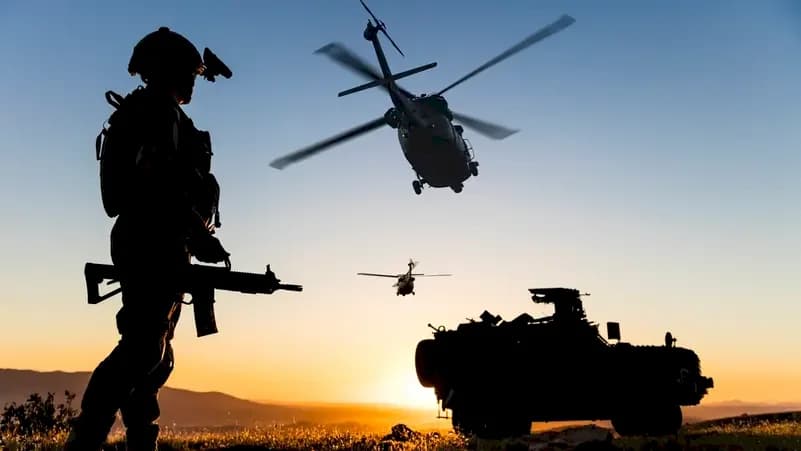
US Deploys About 2,500 Marines to Middle East After Iran Attacks Gulf Shipping
33 sources compared
FBI Warns of Iranian Drone Plot Based on Unverified Tip; California Says No Credible Threat
10 sources compared

White House Demands ABC Retract Report Claiming Iran Sought To Launch Drone Attacks On California
11 sources compared