Africa · 13 March, 2026 · 2 min read
The Horn of Africa Beneath the Shadow of Middle East Turbulence
Horn of Africa now primary site for strategic and economic aftershocks from Middle East volatility. Global attention on the Levant masks emerging shifts across the Red Sea.
1 outlets told this the same way.
1outlets compared
Djibouti summit signals shift
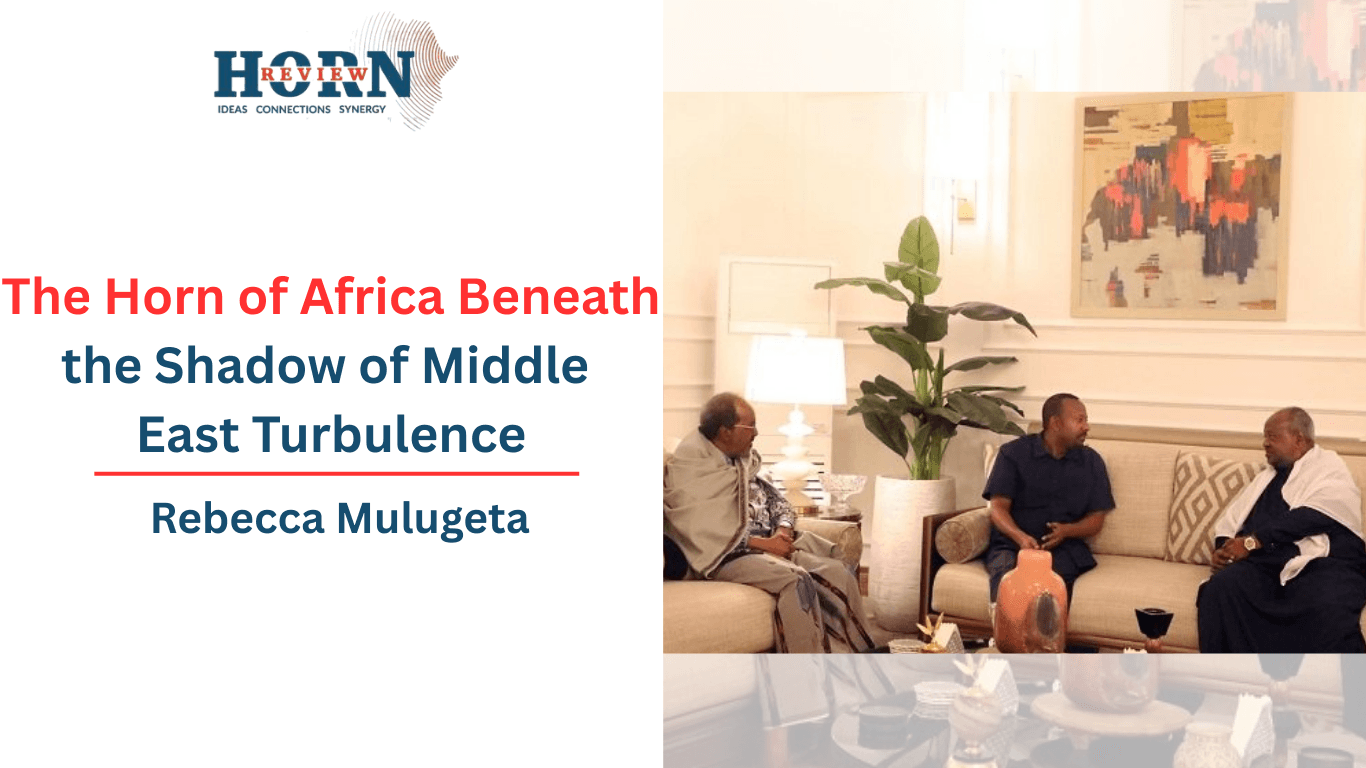
Leaders in the Horn of Africa are repositioning themselves as the region wrestles with Middle East rivalries. A Djibouti summit involving President Ismail Omar Guelleh, Prime Minister Abiy Ahmed, and President Hassan Sheikh Mohamud underscored that external Middle East tensions are shaping regional security calculations. The meetings were followed by the Ethiopian Prime Minister’s visit to Abu Dhabi and engagement with U.S. officials, signaling efforts to manage shifting alliances.
Officials indicate the talks aim to ease friction with the UAE over Somalia and Somaliland, and to address Ethiopia’s pursuit of reliable maritime access. The era of limited regional diplomacy is over, with integration seen as a survival strategy amid broader geopolitical crosswinds.
Egypt, funds, and pact questions
Egypt faces severe economic challenges that limit its ability to fund regional infrastructure, including projects in Doraleh port and Assab or Somalia, reducing its influence in the Horn. The projected $166 million for the AUSSOM mission in Somalia is now mired in a funding shortfall, with pledges covering barely half of the 2025-2026 budget. The Egyptian pound crosses LE52 and the Suez Canal has lost nearly $10 billion in revenue due to the Red Sea crisis.
Cairo relies on Gulf infusions from the UAE and Qatar to maintain regional presence, turning ambitious plans into diplomatic gestures rather than confirmed reality. Egypt’s Somalia-Eritrea-Egypt tripartite pact is increasingly viewed as an unsustainable alliance, an axis of convenience for external patrons rather than a durable strategic framework. In this context, Somalia’s partnerships with Turkey and Somaliland’s stance add complexity to the Horn’s evolving security map.
External powers and Horn security
External powers with deep roots in the Horn complicate the trajectory. Djibouti hosts military facilities for the United States, China, and France, underscoring the corridor’s strategic importance to global trade and security operations. Saudi Arabia and Qatar have invested in infrastructure and diplomatic initiatives aimed at strengthening influence along the Red Sea, while Egypt deepens its security cooperation with Somalia’s military institutions.
Somalia’s defense and infrastructure partnership with Turkey further ties Mogadishu to a broader Turkish strategic framework, even as the Somaliland question remains a flashpoint. As these overlapping agendas unfold, the Horn risks becoming a secondary arena for Middle Eastern rivalries, with Al-Shabaab continuing to shape counterterrorism priorities as regional actors seek stability amid competing interests.
Horn central geopolitical role
Hence, the Horn of Africa has moved from a peripheral stage to a central node in a Gulf-to-Red Sea geopolitical arc. Regional leaders must navigate expanding external competition while addressing internal vulnerabilities, from Somalia’s security threats to Ethiopia’s maritime ambitions. The Djibouti talks and broader U.S. and regional engagements signal an early effort to coordinate strategies before external pressures intensify, but the outcome remains contingent on balancing external interests with local stability and development needs.