
The New York Times Sues Microsoft And OpenAI Over ChatGPT Copyright Infringement
Key Takeaways
- The New York Times sues OpenAI and Microsoft over NYT articles used to train AI.
- Alleges Microsoft aided OpenAI by building a bespoke supercomputer to train the models.
- Case signals broader wave of publishers suing OpenAI and Microsoft over content use.
Times sues OpenAI, Microsoft
The New York Times filed a lawsuit against Microsoft and OpenAI alleging that the companies used millions of articles from the newspaper to train the systems behind ChatGPT and other products like Copilot.
“Presentada en un tribunal federal el viernes, la demanda se suma a más de otras 40 disputas judiciales entre titulares de derechos de autor y empresas de inteligencia artificial”
The complaint says the “copia ilegal y el uso de obras de valor único” could mean payment of “miles de millones de dólares en daños legales y reales,” and it portrays the AI tools as a potential “competencia desleal” because they present copied information as reliable sources.
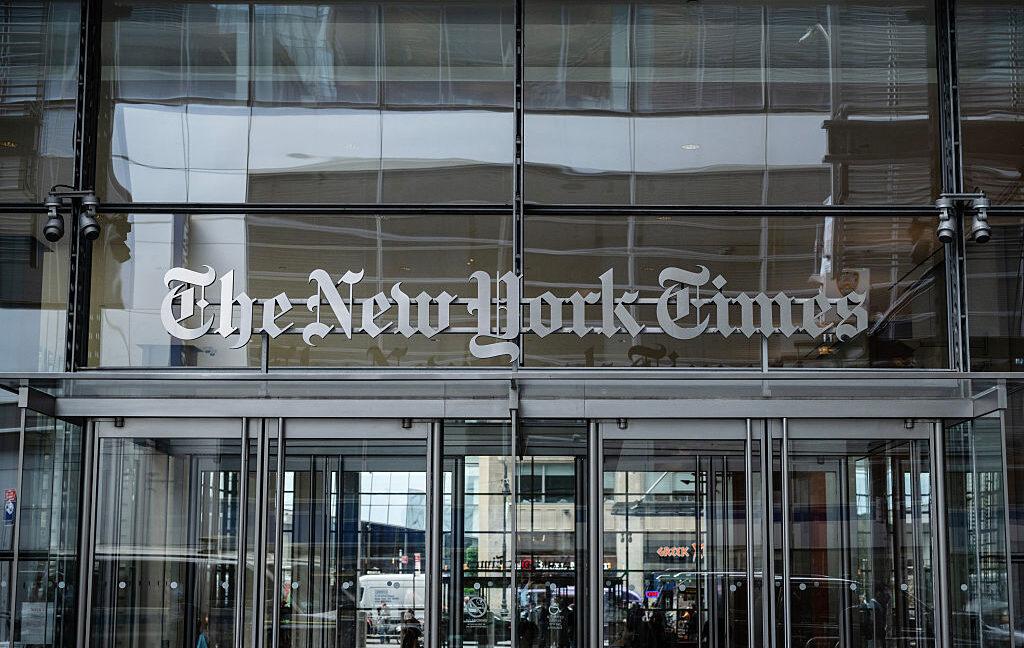
The Times also accuses OpenAI and Microsoft of “tratar de aprovecharse” of the newspaper’s investment in journalism to create products that “le sustituyan y le roben la audiencia,” according to the lawsuit description.
In parallel, El Periódico reports that the European Union has pushed regulation requiring generative AI systems to reveal whether they use protected copyright material, reflecting the broader debate over training on published content.
El Periódico adds that Charlie Beckett of the London School of Economics and Political Science warned that “La IA significará una mayor competencia para los periodistas (...) así que también será una amenaza para el negocio periodístico.”
Perplexity and legal divergence
The New York Times also sued Perplexity, alleging that its rights were violated repeatedly and that the startup continued using the publication’s material even after the Times contacted it several times during the last 18 months.
In its Perplexity case, The New York Times said Perplexity “proporciona productos comerciales a sus propios usuarios que sustituyen a The Times, sin permiso ni remuneración,” and it accused the search motor of damaging the Times’ brand.

ADEPA reports that the Perplexity lawsuit was filed in a federal court in New York, and it notes that The Chicago Tribune filed a separate lawsuit against Perplexity on Thursday.
The same legal fight is framed as part of a broader wave, with ADEPA saying the Times’ filing is “la más reciente de una creciente batalla legal” that includes more than 40 disputes nationwide.
Separately, Crypto Briefing says the Times filed a motion to amend its copyright infringement lawsuit on June 25, 2026, arguing Microsoft “actively encouraged” infringement by building a custom supercomputing system to enable training at scale.
Scale, stakes, and what’s next
A separate coalition of publishers filed a lawsuit in the Southern District of New York alleging that nearly 400 local and regional newspapers’ copyrighted reporting was scraped, copied to defendants’ servers, and used to train commercial AI products including ChatGPT and Microsoft Copilot.
“Publishers that collectively own and operate nearly 400 newspapers are suing These generative artificial intelligence products—made possible by the publishers’ work—have made billions of dollars in market value for the defendants, and not “a cent of it has gone” to the publishers, according to a complaint filed Wednesday in the US District Court for the Southern District of New York”
Bloomberg Law News says the complaint alleges the defendants “systematically and secretly crawled” publishers’ websites, copied articles onto their own servers, stripped out copyright management information, and reproduced the works in response to user prompts.
The publishers’ lawsuit warns that unless AI developers are held accountable, the AI boom “will be a death knell for local journalism,” while an OpenAI spokesperson said the models “are grounded in fair use,” according to Bloomberg Law News.
MediaNama reports that the complaint filed June 24, 2026 alleges automated systems crawled publishers’ websites, copied articles to their own servers, removed copyright management information (CMI), and incorporated the content into training datasets for ChatGPT and Microsoft Copilot.
In the Times’ own case, Confilegal reports that the newspaper demanded that the companies destroy “cualquier chatbot models y training data” that contain the Times’s copyrighted material and that the lack of results from negotiations led to the lawsuit.
More on Technology and Science
OpenAI Limits GPT-5.6 Rollout After U.S. Government Request For Trusted Partners
15 sources compared

Paris Judicial Court Orders TotalEnergies To Revise Vigilance Plan Including Scope 3 Emissions
17 sources compared

China’s LineShine Tops TOP500, Surpassing U.S. El Capitan at ISC 2026 in Hamburgo
15 sources compared

Apple Raises Mac And iPad Prices As Chip Demand For AI Data Centers Surges
15 sources compared