Full Analysis Summary
Presidential runoff in Portugal
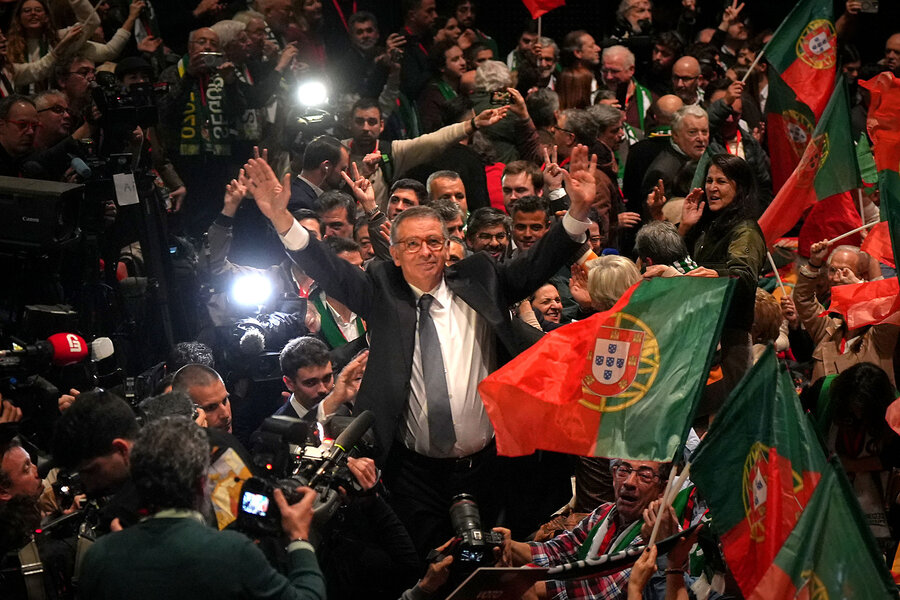
Portuguese voters in February delivered a clear rejection of a far-right presidential candidate when Socialist candidate António José Seguro won nearly 67% of the vote in a runoff against André Ventura, leader of the far-right Chega party.
The result followed a cross-party effort in which the center-right mayor of Lisbon, Carlos Moedas, and other conservative politicians set aside rivalries to support Mr. Seguro.
Mr. Ventura’s roughly one-third share, however, established Chega as the unchallenged leader of the country’s conservatives, displacing the position long held by Mr. Moedas’ Social Democrats.
Trump effect in Europe
The article frames the Portuguese result as a test of the wider 'Trump effect'.
It notes that the Trump administration's recent National Security Strategy describes anti-immigration nationalists as 'patriotic' forces fighting Europe's supposed 'civilizational erasure'.
European mainstream leaders worry less about policy proposals on immigration than about the anger underpinning far-right messages and their calls for a root-and-branch overhaul of institutions, a dynamic leaders fear could threaten democratic stability rooted in the continent's pre-World War II history.
The piece argues that Mr. Trump has failed to comprehend that history.
It stresses that the period he idealizes included power struggles and two world wars and that the past eight decades of peace were the exception.
Chega and Trump effect
The article recognizes genuine grievances—housing affordability, public services, and immigration—that have fueled Chega's growth, especially among young Portuguese for whom the dictatorship and transition are historical chapters.
It warns that the "Trump effect" may cut both ways.
Mr. Trump's recent moves, including his push to take over Greenland and his inaccurate claim about European NATO troops in Afghanistan, have angered and unsettled Europeans and drawn criticism from far-right figures such as France's National Rally, Britain's Reform UK, and even Prime Minister Giorgia Meloni.
Polling cited in the piece suggests relatively few European voters like the American president and that number is shrinking.
So while the "Trump effect" could energize MAGA-style nationalism, its ultimate impact on far-right appeal across Europe remains unclear.