Europe24 October, 20253 min read
Thieves Use German Lift to Steal €88 Million Crown Jewels in Louvre Heist
This article is an automated aggregation of coverage from news outlets. Our editorials offer in-depth analysis curated by the NewsCord team.
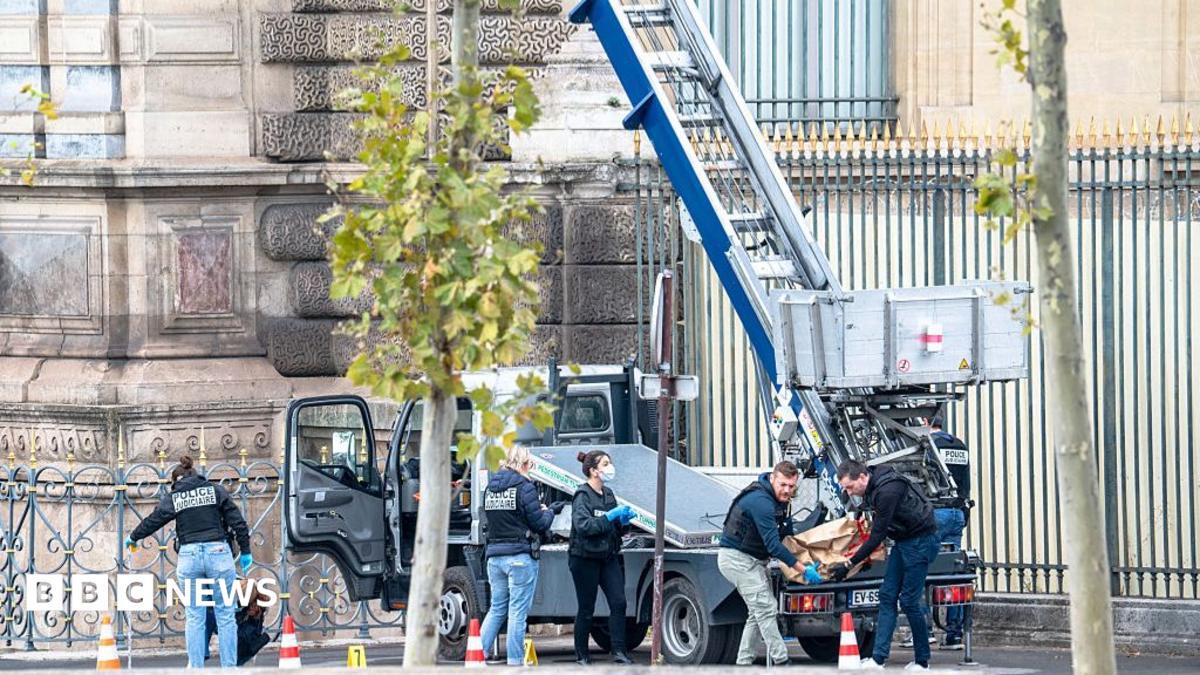
Four thieves used a Böcker mechanical lift to access and steal €88 million in Napoleonic jewels. Thieves left over 150 DNA samples on helmets, gloves, and tools at the Louvre crime scene.
24 outlets told this the same way.
Outlets did split on Marco Rubio Urges Europe To Awaken From Slumber In Athens Speech →
Louvre Jewelry Heist Details
Thieves executed a rapid daytime heist at the Louvre by using a German Böcker furniture lift to reach an upper level and steal French crown jewels valued between €88 million and over $100 million in roughly 7–8 minutes. Reports describe entry via a second-floor balcony or terrace and a swift smash-and-grab of multiple jeweled items. Outlets detail the lift’s role and timeline differently, with some specifying a “second-floor balcony” and others a “terrace,” and valuations ranging from €88 million to $102 million.
“A group of thieves stole valuable French crown jewels from the Louvre shortly after it opened on Sunday...”
The museum’s director acknowledged serious security failings, including outdated CCTV and a blind spot at the entry point used by the thieves. The operation has been described as one of France’s most shocking cultural crimes, with the perpetrators still at large.
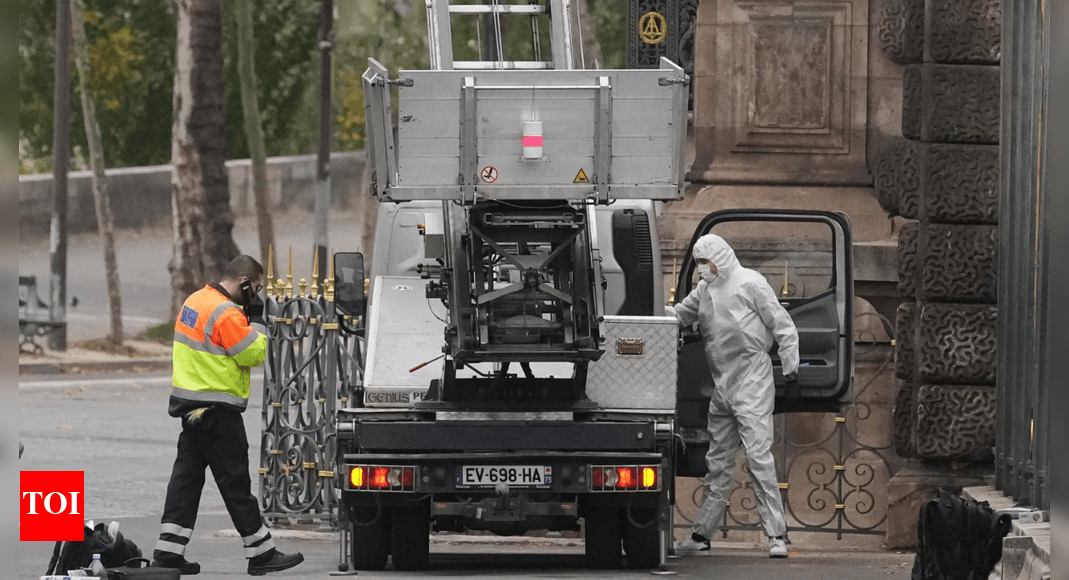
Company Response to Heist Incident
Böcker, the North Rhine-Westphalia-based manufacturer of the lift used in the heist, drew attention for its unusual response. The company posted a humorous social media message featuring its machine at the crime scene with captions about moving fast. Despite the lighthearted tone, Böcker condemned the crime as reprehensible.
Local and international media noted the largely positive public reaction to the post. The company used the incident to highlight the lift’s capabilities, emphasizing speed, quiet operation, and heavy-load capacity. Reports vary regarding the chain of custody of the lift.

Some sources say the lift had been sold years ago to a French renter. Others claim it was rented by a third party. Another account states it was stolen during a demonstration arranged the week before.
Louvre Security Breach Details
Security failings at the Louvre are a central theme in the incident. The director admitted that the CCTV system was weak and outdated, with insufficient camera coverage at the entry point used by the thieves. She took responsibility for these shortcomings and even offered her resignation, which was declined.
“Thieves accessed the museum via a balcony not monitored by cameras, despite all alarms functioning correctly.”
Some reports indicate that alarms were functional, but a blind spot in the exterior cameras allowed the intruders to enter via the balcony. A Western tabloid highlighted dramatic elements such as threats to guards using angle grinders and chainsaws, an escape on Yamaha motorbikes, and delayed security upgrades. Investigators have recovered extensive forensic evidence, including more than 150 DNA and fingerprint traces from items abandoned by the thieves.
Cultural Thefts in France
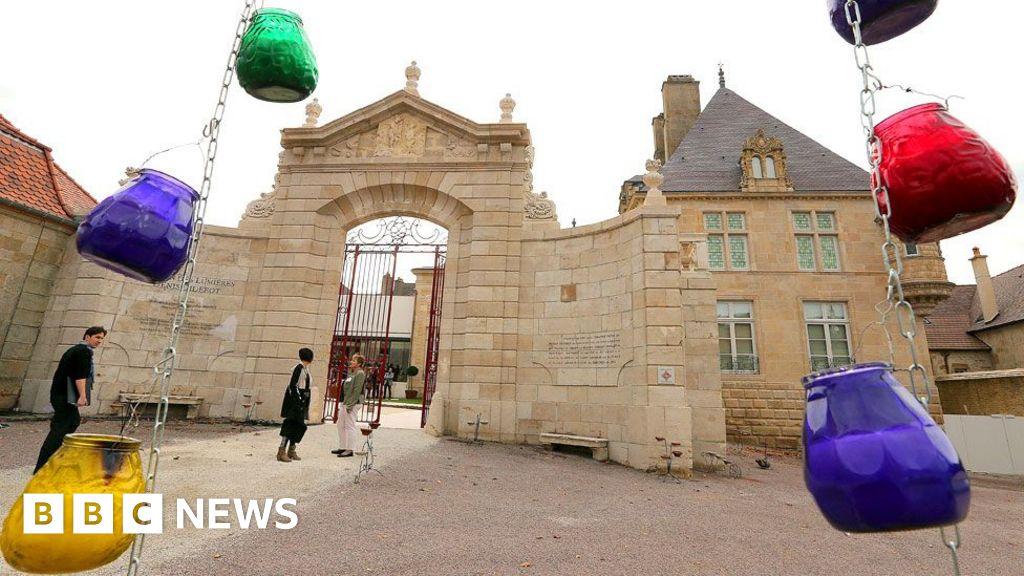
The Louvre heist is part of a broader pattern of cultural thefts in France. Around 2,000 coins dedicated to Denis Diderot were stolen from the Maison des Lumières. Sources differ on the location spelling and valuation of the stolen coins: some report "Landres" and €90,000, others "Landres" and about $104,000, while another refers to the museum in "Langres."
One outlet says the coin theft went largely unnoticed because it was overshadowed by the Louvre robbery. Other sources emphasize the precision of the theft and withhold security details. Some discussions pivot to national debates over museum security and surveillance funding.
Response to Louvre Robbery
Authorities and leaders moved quickly after the Louvre robbery. The museum reopened with the Apollo Gallery closed and over 100 investigators on the case. President Emmanuel Macron called for accelerated security improvements.
“The museum has reopened except for the Apollo Gallery, where the theft took place, with over 100 investigators involved in the case.”
The Louvre’s director publicly accepted responsibility for security failures, while the Culture Minister declined her resignation. The director outlined upgrades amid criticism that blind spots had persisted for years. Investigators recovered extensive forensic traces.

Officials suggested a link to organized crime. Tabloids highlighted measures such as new no-parking zones, CCTV upgrades, and even a police station inside the museum.