USA01 December, 20253 min read
Third Circuit Ousts Alina Habba as U.S. Attorney, Rules Trump Violated Vacancies Reform Act
Third Circuit unanimously upheld disqualification of Alina Habba as New Jersey U.S. attorney Court found Habba’s appointment violated the Federal Vacancies Reform Act and was unlawful

69 outlets told this the same way.
Outlets did split on Trump Interrupted by Protesters at San Antonio Rally for Ken Paxton →
Disqualification of acting U.S. attorney
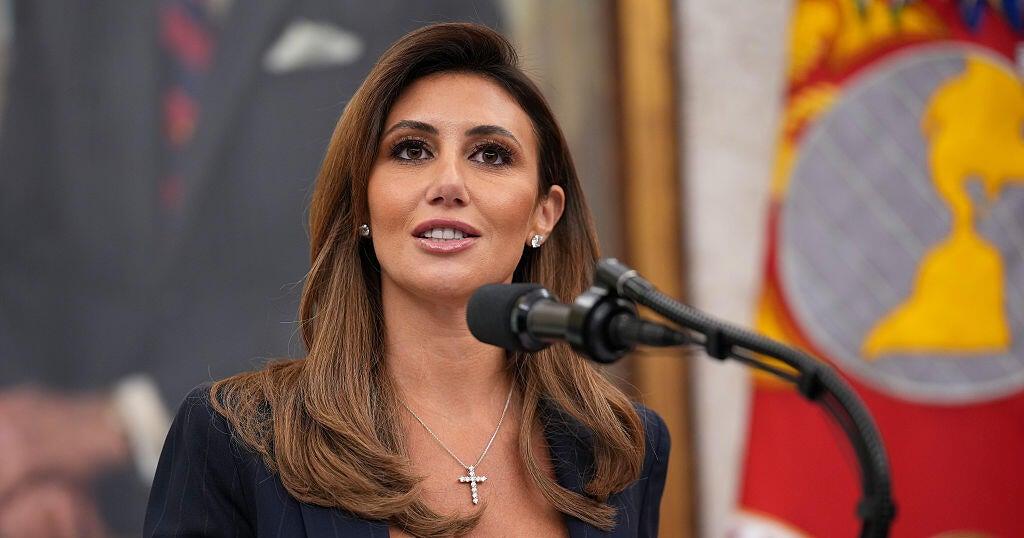
A unanimous three-judge panel of the U.S. Court of Appeals for the Third Circuit on Dec. 1 affirmed a lower-court order disqualifying Alina Habba from serving as acting U.S. Attorney for the District of New Jersey, finding her installation violated the Federal Vacancies Reform Act (FVRA).
“A Third Circuit panel on Monday upheld the disqualification of Alina Habba as acting U.S. Attorney for the District of New Jersey, finding her appointment violated the Federal Vacancies Reform Act.”
Judge D. Michael Fisher authored the 32-page opinion and said the administration’s actions ran afoul of the statute.
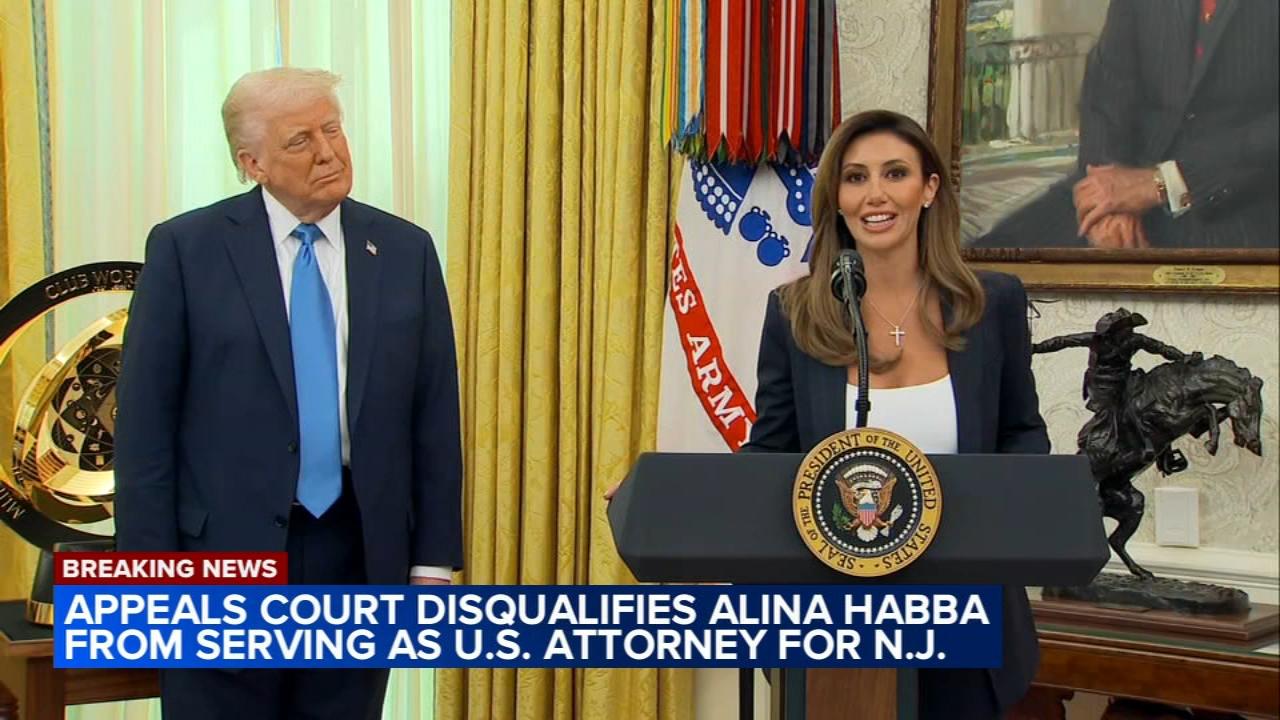
The court upheld the August finding that Habba’s stint after a 120-day interim term was unlawful and said New Jersey deserves 'clarity and stability'.
The decision came after three criminal defendants challenged her authority, and the lower court disqualified her but did not dismiss the underlying prosecutions.
The Justice Department has signaled it will appeal.
Court on appointment maneuvers
The court catalogued a sequence of maneuvers the administration used to try to keep Habba in charge after her 120-day interim term expired.
The White House submitted and later withdrew her nomination.

District judges briefly appointed a first assistant, Desiree Leigh Grace.
Attorney General Pam Bondi dismissed that successor.
The government then attempted to reassign Habba as first assistant and a 'special attorney' so she could be elevated as acting U.S. Attorney.
The 3rd Circuit rejected the government's 'delegation' theory, saying allowing such steps would let nominees avoid the gauntlet of confirmation and could permit indefinite service without Senate approval.
Legal fallout from ruling
The decision has practical consequences: several outlets flagged that prosecutions and grand-jury work in New Jersey slowed or were put in limbo while the dispute proceeded, and legal observers warned the ruling could put convictions or indictments at risk. Some reporting noted this is part of a string of recent rulings challenging Trump-era interim U.S. attorney appointments — including an 11th Circuit decision in Nevada and a Virginia appointment that led to dismissed indictments — raising the prospect of wider collateral effects beyond New Jersey. The Justice Department has already appealed or signaled plans to appeal in multiple matters.
“For nearly four months confusion over the appointment of the U.S. attorney in New Jersey has slowed some criminal cases and halted grand jury work.”
Habba appointment coverage
Coverage foregrounded Habba's background and the partisan backlash: she was repeatedly identified as a former personal lawyer to President Trump who was never Senate-confirmed, and New Jersey Democrats including Sen. Cory Booker and Rep. Andy Kim criticized the administration's maneuvers.
Several outlets added that Habba had limited criminal-law experience and drew scrutiny for politically charged remarks after her appointment, and reporting noted controversies such as a later-dropped trespass allegation against Newark's mayor.
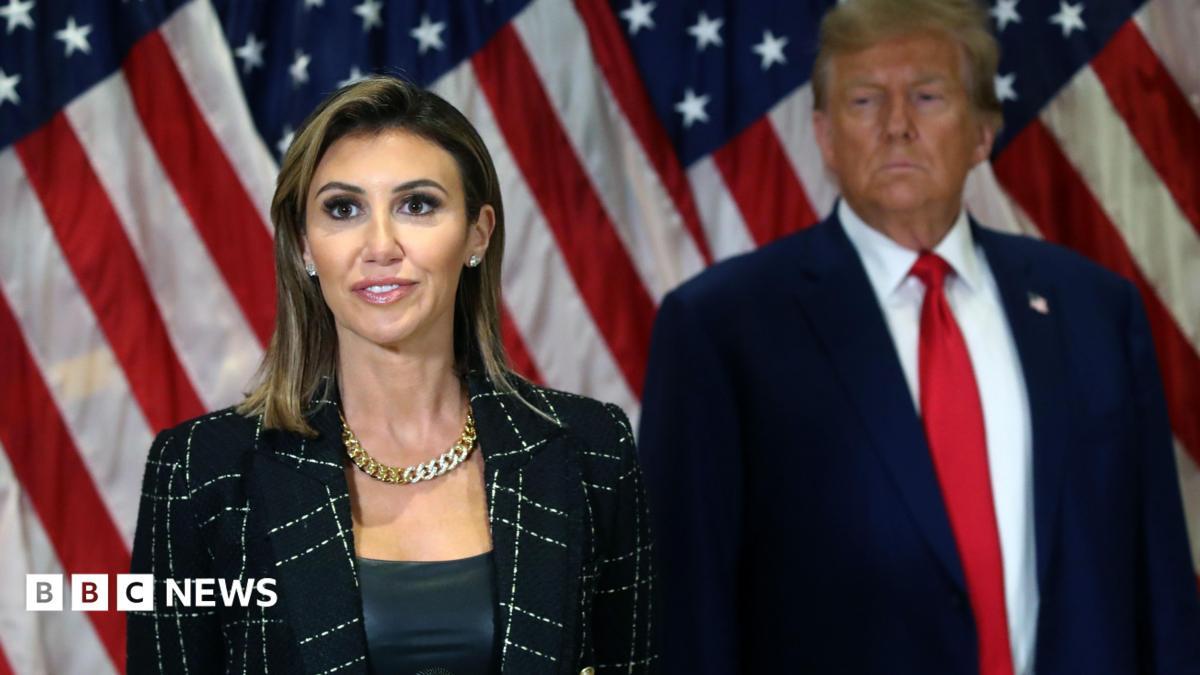
Defenders of the ruling called it a vindication of concerns about unlawful political maneuvering in U.S. Attorney appointments.
Legal fight over appointments
What comes next is contested: the Justice Department has indicated it intends to appeal the ruling and could seek rehearing en banc or ultimately Supreme Court review. Local officials and career staff have urged the administration to follow normal nomination processes to restore stability.
“The Justice Department said it intends to appeal.”
Commentators and legal experts quoted across outlets say the Third Circuit's decision may be the first of multiple appellate rulings that determine whether the administration's cagey vacancy-filling techniques are lawful or will be curbed by higher courts. The ruling is being reported as part of a broader pattern of litigation over interim U.S. attorney appointments across multiple circuits.