Thomas Frey Says NVIDIA And Span Could Bring Mini Data Centers To American Homes
Key Takeaways
- Shift from centralized hyperscale facilities to distributed, in-home edge data centers.
- Homes or neighborhoods host mini data centers, including backyard installations.
- Electricity costs and potential savings shape the distributed data center debate.
From Hyperscale to Homes
The idea that the next internet could be distributed “on the side of your house” is gaining traction as the “power wall” challenges centralized architecture, with Futurist Thomas Frey pointing to transmission bottlenecks, zoning resistance, water scarcity, grid capacity headroom, and latency demands of real-time AI.
“Data centers are gobbling up land, driving up electric bills, and becoming a lightning rod for public discontent over big tech's power in society”
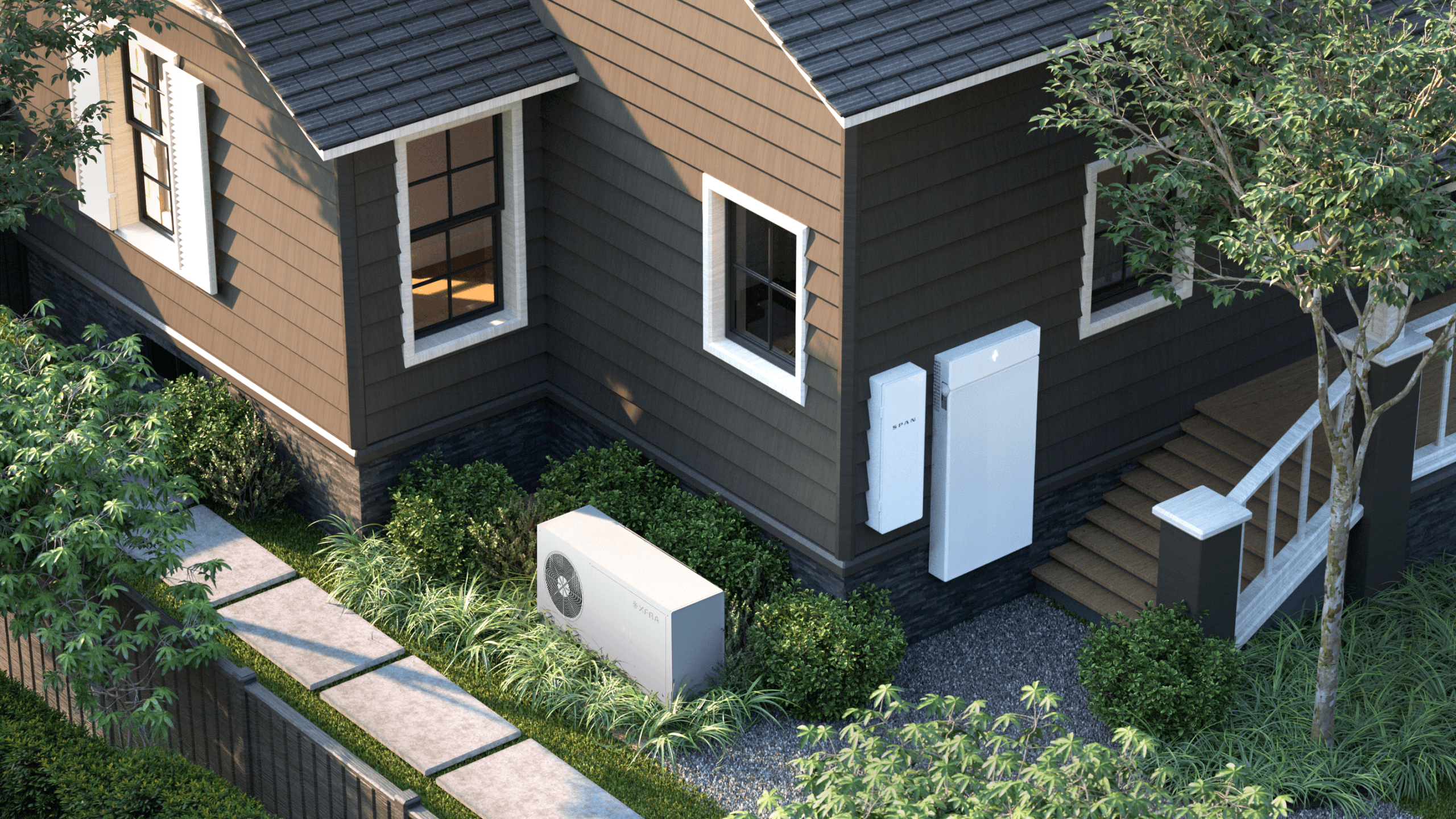
Frey describes NVIDIA partnering with Span to install compact AI compute nodes alongside home electrical systems and batteries, turning residential neighborhoods into “distributed supercomputing networks.”

CNBC’s Diana Olick frames the same shift as a potential move toward small fractional data center “nodes” on the exterior walls of newly built homes, citing early testing with Nvidia and California-based startup Span.
PCMag adds that Span launched in 2018 and produces smart electrical panels that can provide granular breakdowns of household energy usage, and that its XFRA solution reportedly uses built-in panel intelligence to tap additional electrical service capacity from the existing grid.
Bills, Heat, and Limits
CNBC reports that Maine’s legislature passed a data center ban that failed to override the governor’s veto, and that the National Conference of State Legislatures says 14 states are considering legislation to ban or pause new data centers.
In that context, Balaji Tammabattula of BaRupOn says, "It is technically possible and already being explored," arguing that a home can host compute hardware that feeds into a larger distributed network.
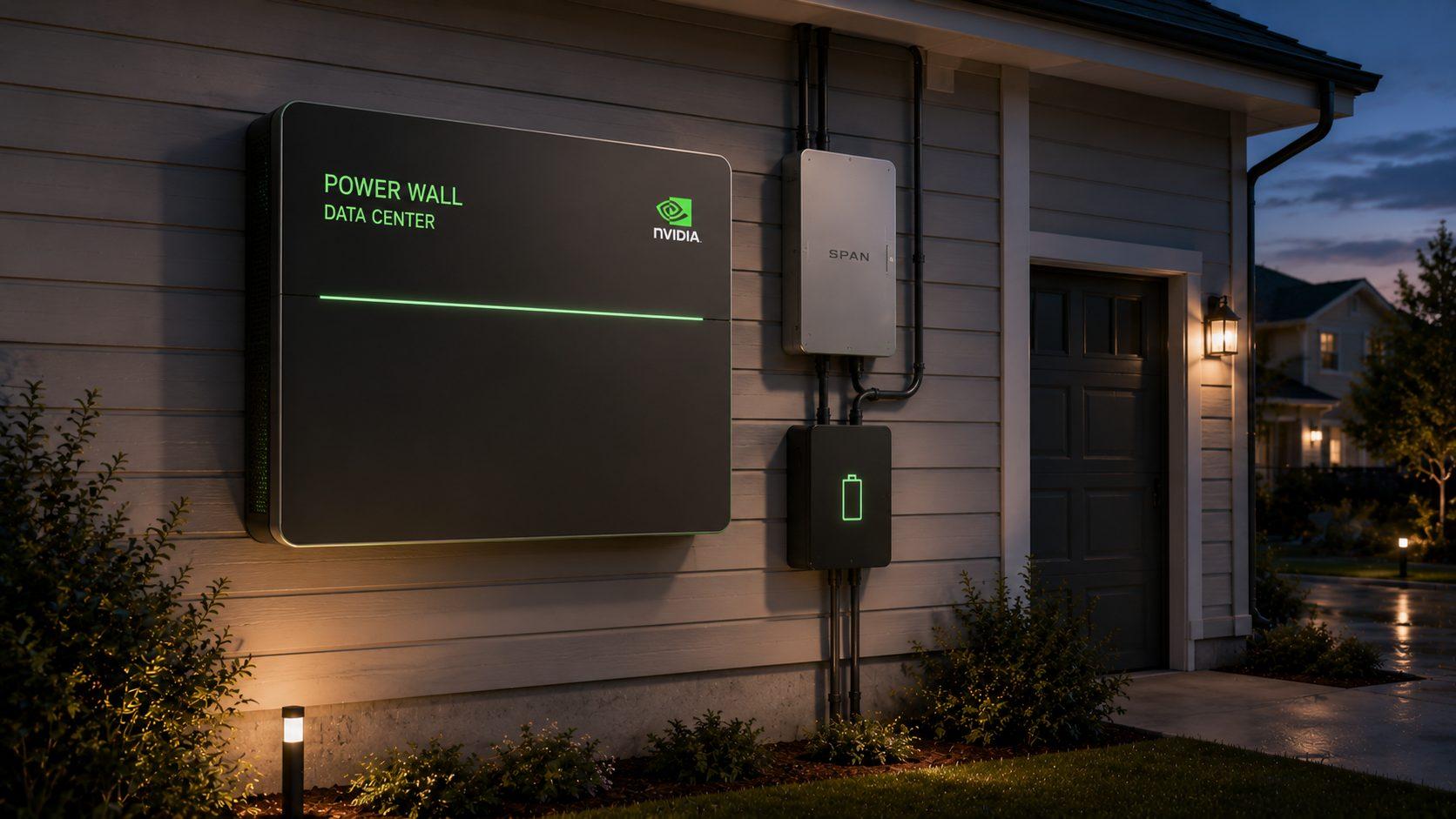
Tammabattula also warns that residential constraints are harder to overcome for high-density AI training or real-time workloads, and he says, "Anything requiring guaranteed uptime or low latency is not a good fit for this model yet," while noting feasibility depends on power, internet connectivity, heat management, and workload type.
PCMag similarly frames Span’s pitch as a way to slash energy and internet bills by installing a miniature “distributed data center,” while stating Span does not expect these mini data centers to replace traditional large-scale facilities.
Rollout and What’s Next
PCMag reports that Span is working with PulteGroup on the initial rollout of XFRA systems, and that the rollout has already begun with Span targeting a 100-home proof-of-concept alongside PulteGroup and other homebuilder partners.
“PCMag editors select and review products independently”
The PCMag account says the rollout will initially focus on newly built homes before later piloting retrofits for existing homes and smaller commercial properties, while Span claims the approach can provide a “low-cost, low-latency solution that can scale quickly” amid record AI demand.
Futurist Thomas Frey connects the home model to a broader infrastructure shift, describing Conflow Power Group’s iLamp project as solar-powered streetlights retrofitted to function as AI micro-data centers distributed throughout cities.
Frey also points to Gray Wolf Data Centers’ architectural argument that the future belongs to networks of smaller regional data centers, and he contrasts that with the idea that centralized facilities struggle with latency constraints for AI workloads.
More on Technology and Science

The New York Times Sues Microsoft And OpenAI Over ChatGPT Copyright Infringement
20 sources compared

OpenAI Limits GPT-5.6 Rollout After U.S. Government Request For Trusted Partners
15 sources compared

Paris Judicial Court Orders TotalEnergies To Revise Vigilance Plan Including Scope 3 Emissions
17 sources compared

China’s LineShine Tops TOP500, Surpassing U.S. El Capitan at ISC 2026 in Hamburgo
15 sources compared