Full Analysis Summary
Marseille protest against drug violence
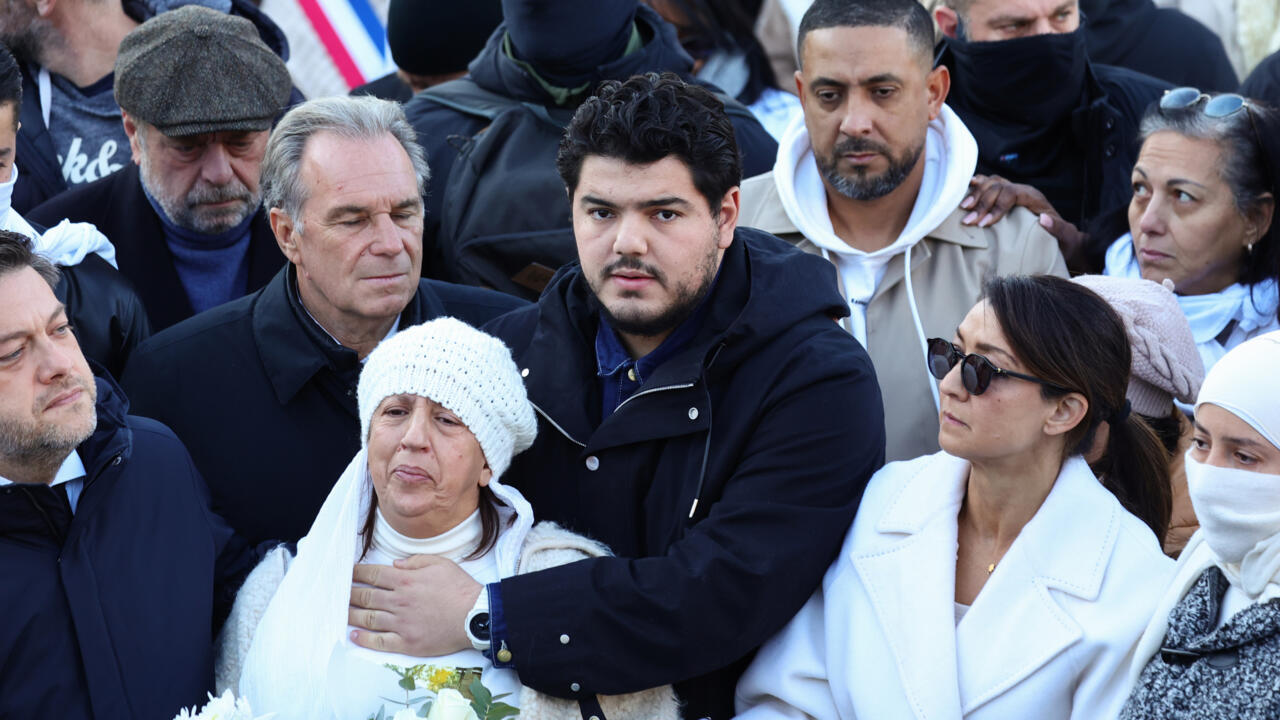
Thousands marched through Marseille to denounce drug-related violence following the November 13 killing of 20-year-old Mehdi Kessaci, which officials say is linked to his brother Amine Kessaci’s anti-drug activism.
About 6,200 people — many dressed in white — took part in the march, according to news reports.
Mehdi was shot by two gunmen on a motorcycle while parking his car; the assailants remain at large and the getaway motorcycle was later found burned.
The demonstration expressed public anger at persistent gang-related violence and recalled that the brothers’ half-brother, Brahim, had been killed in 2020.
Coverage Differences
Detail / Omission
El País (Western Mainstream) supplies a precise turnout figure (6,200), specific attack details (two gunmen on a motorcycle, burned getaway bike) and the exact date; France 24 (Western Mainstream) uses a broader term (“Thousands”) and emphasizes the familial anti-drug activism and the murder’s link to previous killings in 2020. The two sources therefore differ in specificity: El País gives concrete operational details and numbers, while France 24 foregrounds motive and public anger.
March against gang violence
Organizers framed the march as an effort to break the silence and fear in neighborhoods long dominated by drug gangs.
El País reports the demonstration drew national and local politicians, including National Assembly president Yaël Braun-Pivet and Marseille's mayor Benoît Payan.
France 24 described the protest as reflecting public anger over continuing gang-related violence and connected it to anti-drug activism.
Both sources underline local fear and civic mobilization, while El País emphasizes the visible presence of high-level political figures.
Coverage Differences
Tone / Emphasis
Both sources convey public anger and fear, but El País (Western Mainstream) emphasizes political visibility and organizers’ stated goals — listing named national figures and quotes about breaking silence — while France 24 (Western Mainstream) emphasizes the protest as a broader reflection of public anger without enumerating attending officials.
Suspected gang intimidation killing
Authorities suspect the killing was meant as a "warning" or "crime of intimidation" and link it to organised gangs active in the city's northern districts.
El País reports officials believe the killing was ordered from prison by a DZ Mafia leader, calling it a "crime of intimidation" and a challenge to the state, and names rival groups such as the DZ Mafia and the now-weakened Yoda gang.
France 24 likewise cites officials who describe the murder as a "warning crime" tied to anti-drug activism.
Together, these accounts portray gang-ordered violence intended to silence activists and intimidate communities.
Coverage Differences
Specificity / Narrative
El País (Western Mainstream) provides explicit allegations — reporting that authorities suspect orders came from prison and naming groups (DZ Mafia, Yoda gang) and the northern districts — while France 24 (Western Mainstream) reports the official framing of the murder as a “warning crime” tied to activism but does not name specific gangs or allege orders from prison in the snippet. The difference is one of specificity and naming of criminal actors versus a more general official framing.
Gang violence and protests
Both pieces situate the march within a longer pattern of violence and calls for stronger state action.
El País reports officials stressing the need for tougher government measures as drug trafficking becomes a national concern.
It also recalls Marseille's violent past, including the 1980s murder of Judge Pierre Michel.
France 24 links the killing to a chain of anti-drug activism and to an earlier family tragedy, the 2020 killing of half-brother Brahim.
France 24 frames the protest as the latest eruption of longstanding gang problems.
Both sources converge on a shared diagnosis that persistent gang violence pressures communities and prompts demands for firmer responses, while they differ in which historical details and actors they emphasize.
Coverage Differences
Narrative / Historical context
El País (Western Mainstream) explicitly links the events to Marseille’s past violence (citing the 1980s murder of Judge Pierre Michel) and frames the issue as a national concern requiring stronger state action. France 24 (Western Mainstream) focuses more on the Kessaci family’s activism and prior family loss in 2020 as immediate context for the protest. Both present complementary but distinct emphases: national/state-level response and historical precedent (El País) versus personal activism and recent family history (France 24).