Australia22 December, 20252 min read
Thousands Mourn at Bondi One Week After Father-and-Son Gunmen Massacred 15 at Hanukkah Celebration
Sajid and Naveed Akram allegedly killed 15 people at a Bondi Hanukkah celebration Authorities say the pair conducted tactical firearms training and reconnaissance beforehand

10 outlets told this the same way.
Bondi Beach attack summary
One week after the Bondi Beach massacre that killed 15 people at a Hanukkah celebration, thousands gathered across Australia to mourn the victims and remember survivors. Authorities say the attackers were a father-and-son duo, Sajid Akram (50) and his 24-year-old son Naveed, and that the pair carried out firearms training in the New South Wales countryside before the assault.
“On Dec. 14 the pair allegedly first tried to throw an explosive that failed to detonate, then opened fire at a Hanukkah celebration, killing 15 people and injuring dozens.”
The assault also involved an alleged failed explosive, left Sajid dead at the scene, and left Naveed wounded and later charged. The incident has been described across outlets as the deadliest mass shooting in Australia in nearly 30 years.

Mourning and policy response
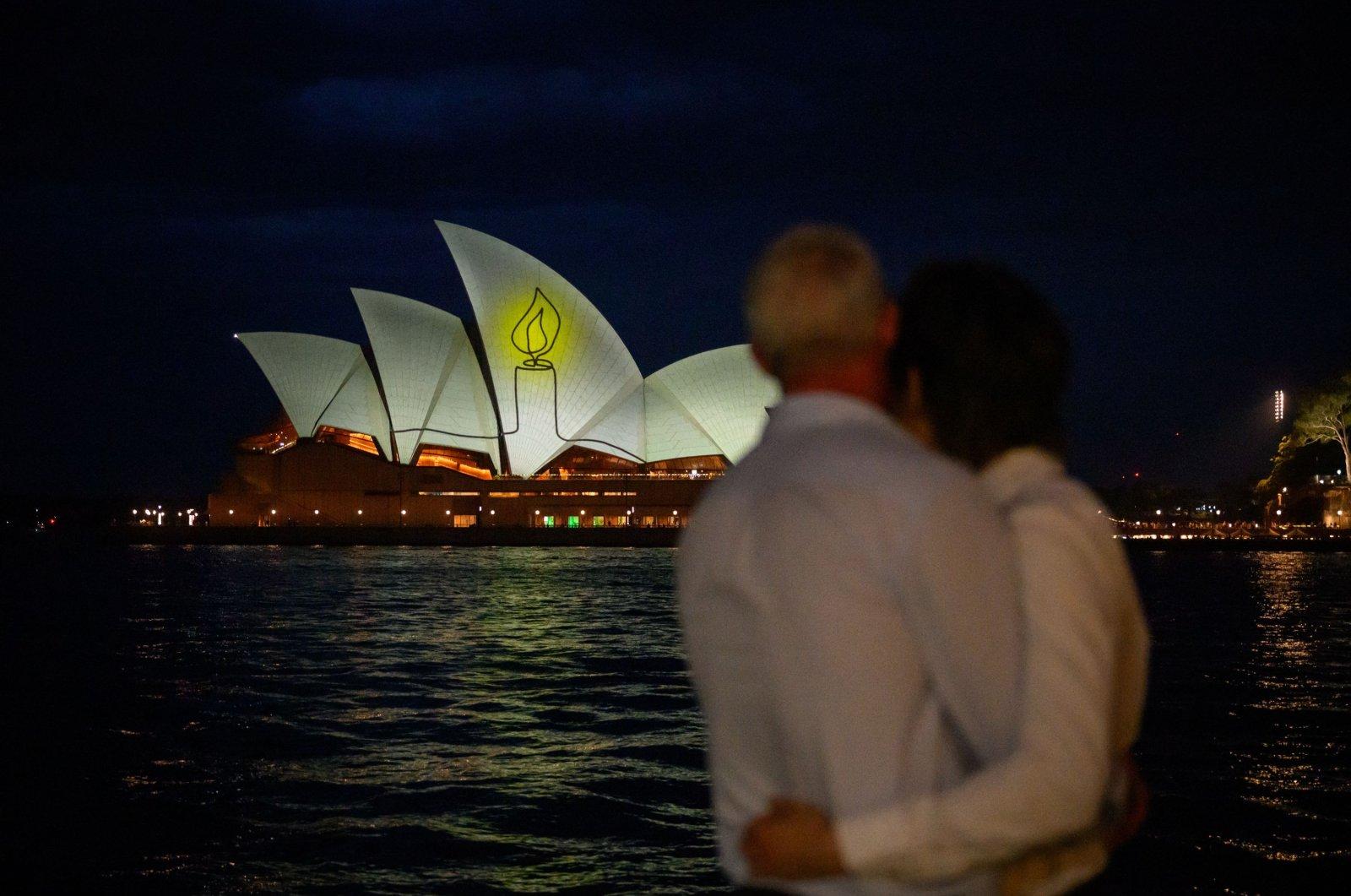
The national response combined public mourning with urgent policy discussion. Candlelight vigils and a minute's silence were observed across cities and towns, and thousands gathered at Bondi where candles were placed in a gesture described as "light over darkness". Prime Minister Anthony Albanese apologised to the Jewish community and pledged new hate-speech laws, while federal and state officials announced a large gun buyback and moves to tighten firearm ownership, ban public display of terrorist symbols, and restrict some protest rights in the aftermath.
Alleged evidence and charges
Officials and police have highlighted evidence cited in court documents, including alleged tactical training, filmed shotgun practice, and a nighttime reconnaissance visit to Bondi. An October video filmed in front of an Islamic State flag reportedly shows the attackers denouncing 'Zionists'. Sajid was killed by police during the raid, Naveed has been charged and moved from hospital to jail, and investigators are treating the case as both mass murder and terrorism.
“Police allege the pair were filmed firing shotguns, made a nighttime reconnaissance visit to Bondi days before the assault, and recorded an October video in front of an Islamic State flag denouncing ‘Zionists’ and explaining their motives.”
Media coverage differences
Coverage diverges in tone and in what is missing. Daily Sabah highlights communal grief and public anger at the government, including booing of the prime minister, while Express Tribune and Dialogue Pakistan focus on policy responses, legislative change, and security reviews.
CNN provides a human-centred anecdote and uses emotional language. Quoted snippets show that a few outlets, notably WION and RTE.ie, did not supply full reporting in the provided excerpts and explicitly requested article text or links, indicating missing material rather than outright contradictions.
Unclear evidentiary links
The supplied excerpts do not make clear the full evidentiary picture linking the suspects to any broader network or the operational details beyond the court allegations. Several outlets report an October video in front of an Islamic State flag and statements denouncing 'Zionists,' but those snippets do not establish whether investigators have proven a formal organizational link or the full motive beyond the statements. Given variations in emphasis and the absence of full texts from some outlets, readers should treat motive attribution and wider network claims as reported allegations rather than confirmed facts.
“Police allege the pair were filmed firing shotguns, made a nighttime reconnaissance visit to Bondi days before the assault, and recorded an October video in front of an Islamic State flag denouncing ‘Zionists’ and explaining their motives.”