Europe01 November, 20252 min read
Thousands Protest Serbian Government Over Negligence That Killed 16 in Novi Sad Train Station Collapse
Train station roof collapse in Novi Sad killed 16 people during renovation work. Tens of thousands protested nationwide against government corruption and negligence.
15 outlets told this the same way.
Outlets did split on Marco Rubio Urges Europe To Awaken From Slumber In Athens Speech →
Novi Sad Memorial and Protest
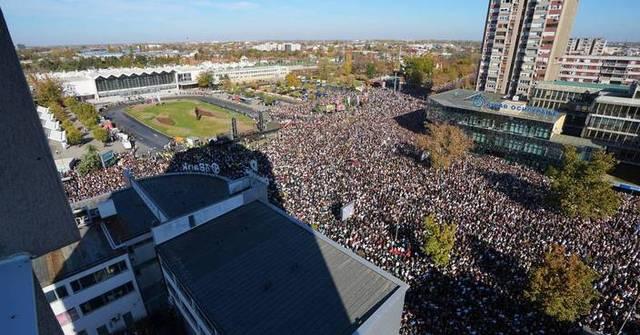
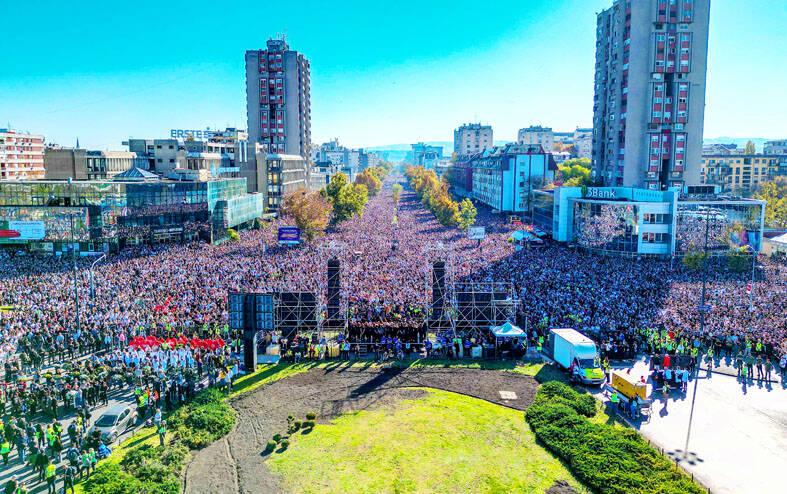
On the first anniversary of the Novi Sad railway station roof collapse that killed 16 people, Serbia saw mass commemorations that doubled as anti-government protests. Organizers and crowds marked the day with 16 minutes of silence for the victims. Students led what several outlets describe as one of the largest demonstrations in years.
“Protesters in Novi Sad, Serbia, commemorated the first anniversary of a railway station roof collapse that killed 16 people by observing 16 minutes of silence.”
The protests were centered in Novi Sad but drew people from across the country. Reports consistently note tens of thousands in attendance and emphasize student leadership. Remembrance rites included wreath-laying and candle-lighting.

Protests Over Infrastructure Collapse
Protesters blame corruption and negligence for the collapse and demand justice, accountability, snap elections, and broader democratic reforms. Multiple outlets link the scandal to problematic infrastructure projects and, in several accounts, to Chinese construction firms. An independent commission is reported to have connected the disaster to systemic failures and corruption, intensifying calls for institutional change and early polls to oust President Aleksandar Vučić’s government.
Government Response to Unrest
Authorities responded with a mix of concessions and crackdowns. Several sources report that the prime minister resigned and the government fell. President Vučić issued a rare apology, called for dialogue, declared a national day of mourning, and attended church services for the victims.
“Serbian President Aleksandar Vucic ... has recently cracked down on protesters, detaining hundreds and using force to disperse rallies.”
At the same time, reports indicate harsh police tactics, hundreds of arrests, and attempts to limit protester mobility. The European Union urged calm and restraint amid rising tensions.
Status of Justice Process
Where the justice process stands is reported inconsistently. Several outlets note indictments or charges, often citing 13 people, including a former minister. Other sources state that no charges have been filed yet.
Some emphasize that trials have not begun and that no convictions have occurred. This situation is fueling public anger and skepticism toward institutions.
Youth Protests and Political Context
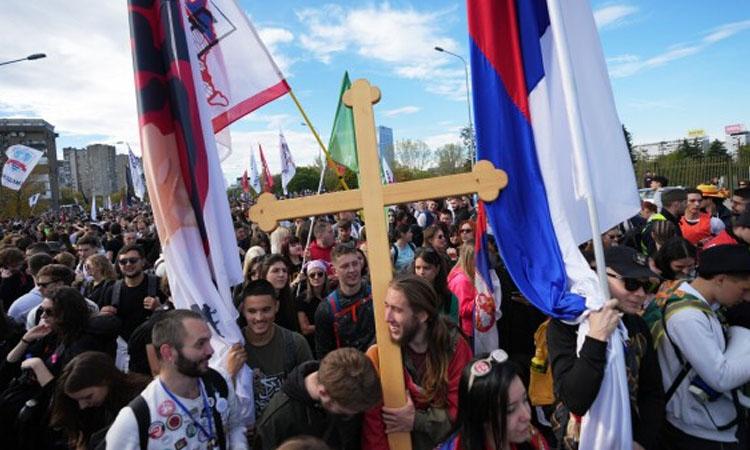
The movement’s breadth and tactics reflect sustained, youth-led mobilization. Students organized long-distance marches—some walking 16 days and up to 400 kilometers—to arrive in Novi Sad, as authorities allegedly tried to hinder access by canceling trains and, according to some reports, amid bomb-threat disruptions. Protesters planned multiple rally points to complicate police intervention.
“Students in Serbia have completed a 16-day walk across the country... Protests have been mostly peaceful but sometimes violent, with hundreds arrested.”
While most demonstrations have been peaceful, heavy crackdowns and hundreds of arrests are reported. The EU angle features either calls for calm or praise for civic mobilization, and many sources highlight Serbia’s stalled EU accession and Vučić’s ties to Russia and China as part of the political backdrop.