
Three Iranian Tankers Diona, Hero II, Sonia I Pass US Blockade Line in Gulf of Oman
Key Takeaways
- Three Iranian tankers Diona, Hero II, Sonia I breached the Gulf of Oman blockade line.
- Crossings followed a memorandum of understanding between Tehran and Washington to end hostilities.
- Trackers and outlets report exits occurred after the deal, signaling easing of restrictions.
Tankers slip past blockade
Three Iranian tankers loaded with crude oil passed the US blockade line in the Gulf of Oman, with ship-tracking data showing that two were broadcasting their locations as they crossed and a third appeared to switch on its location tracker just past the line.
“According to Washington, the delay in issuing the document also depends on the internal Iranian dynamics”
BBC Verify reported that the three Iran-flagged tankers—Diona, Hero II and Sonia I—are all owned by the National Iranian Tanker Company, which has been sanctioned by the US Treasury, as have the ships themselves.
The BBC also said the US blockade stretches from the eastern tip of Oman to the coast of Iran and that the three ships carry a combined total of 3.8 million barrels of crude oil, according to TankerTrackers.com.
CNBC reported that at least three Iranian tankers carrying nearly five million barrels of crude oil exited the U.S. Navy blockade in the Strait of Hormuz in the first such outbound shipment in two months, with Diona and Hero 2 carrying a combined total of 3.8 million barrels and a third tanker carrying 1 million barrels.
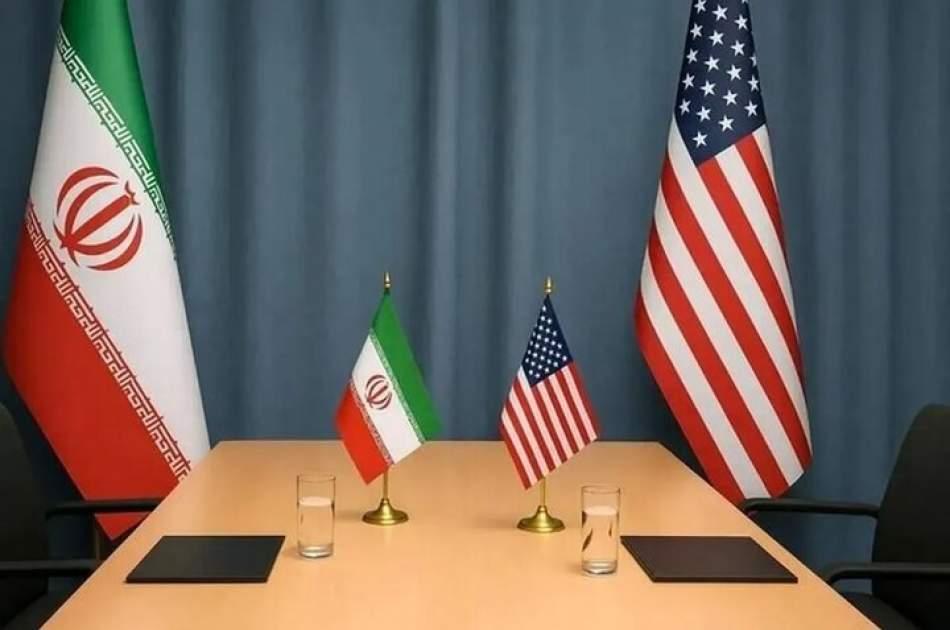
CNBC added that the outbound shipments come as shipowners reposition ahead of a U.S.-Iran deal signing in Geneva on Friday, after a Memorandum of Understanding signed on Monday to end the nearly four-month war.
Deal, doubts, and warnings
Michelle Wiese Bockman, senior analyst at Windward Maritime Intelligence, told BBC Verify that the tanker departures were "a sign that Iran is confident the blockade is over, even if the US has insisted it will be in place until Friday."
CNBC quoted Lloyd's List Intelligence saying the maritime sector is treating the news with something closer to "wary disbelief than celebration," as insurers hold firm on high war-risk premiums and demand "solid evidence" that the waterway will remain safe.

CNBC also reported that the U.S. Navy reminded the industry that "nothing has changed and will not until the agreement is signed," citing Tim Wilkins, managing director of Intertanko.
In a separate account, Radio Free Europe/Radio Liberty said senior US officials disclosed a framework deal that would be officially signed during a ceremony in Switzerland on June 19, with the memorandum of understanding envisaging reopening the Strait of Hormuz to commercial traffic and ending the US naval blockade on Iran.
Radio Free Europe/Radio Liberty quoted a senior US official describing the accord as "fundamentally an agreement that allows us to open the Strait of Hormuz immediately" while committing Iran to destroying the nuclear stockpile.
What changes next
The BBC said the US blockade has cut Iran's crude exports to the lowest amount in six years at 260,000 barrels per day in May, less than a fifth of the 2025 average of 1.67 million barrels per day, data from Kpler shows.
CNBC reported that the Strait of Hormuz has been effectively shut for the duration of the conflict and that the reopening is expected to reopen the Strait of Hormuz and waive sanctions on Iran's oil sales, with Washington allowing Tehran to immediately begin selling oil and fuel once the agreement is signed this week.
CNBC added that Kpler estimated 118 laden tankers could exit the region within 15 days after the deal is signed, while Niels Rasmussen of BIMCO said most shipowners appear to be "cautiously awaiting more details" before planning new transits.
Hamshahri Online, as cited in the Anadolu/other coverage, said the preliminary agreement would reopen the Strait of Hormuz to ships without tariffs, end the naval blockade of Iranian ports, and extend the current ceasefire for at least 60 days, while launching broader talks on Iran's nuclear program.
Hamshahri Online also said naval mines, high insurance costs, and geopolitical risks mean disruptions to ship traffic could last for months, and Reuters-cited naval security sources estimated the mine-clearing and safety confirmation process would take between 40 and 50 days.
More on Iran

Donald Trump Threatens To Resume Bombing Iran If They Don't Behave Under U.S.-Iran Deal
24 sources compared
Trump Administration Releases 14-Point Iran Deal Text, Says It Prevents Worldwide Depression
24 sources compared

Trump Warns Iran Over 14-Point US Memorandum, Triggering 60-Day Strait Of Hormuz Talks
19 sources compared

Trump Says US-Iran Deal Will Be Signed Shortly, Threatens Bombing If Iran Doesn’t Comply
18 sources compared