
Thunderstorms Return After 32°C Heat, Triggering Orange Alert in Lombardia and Yellow Alert for Milano
Key Takeaways
- Thunderstorms return to Lombardy; orange alert, Milano under yellow alert.
- Storms follow a 32°C heat spike across northern Italy.
- BBC and Geopop report cooler, wetter pattern and central Italian rains.
Italy’s alerts and heat
After days of anomalous heat in northern Italy, with temperatures reaching 32°C in the city, thunderstorms returned and triggered an orange alert in Lombardia and a yellow alert for Milano starting from the night of 12 September.
“Manuel Mazzoleni di 3bmeteo”
For Wednesday 13 September 2023, the outlook called for the most important downpours, with scattered low- or medium-intensity rain possible over the Lombard, Veneto, and Piedmont plains.
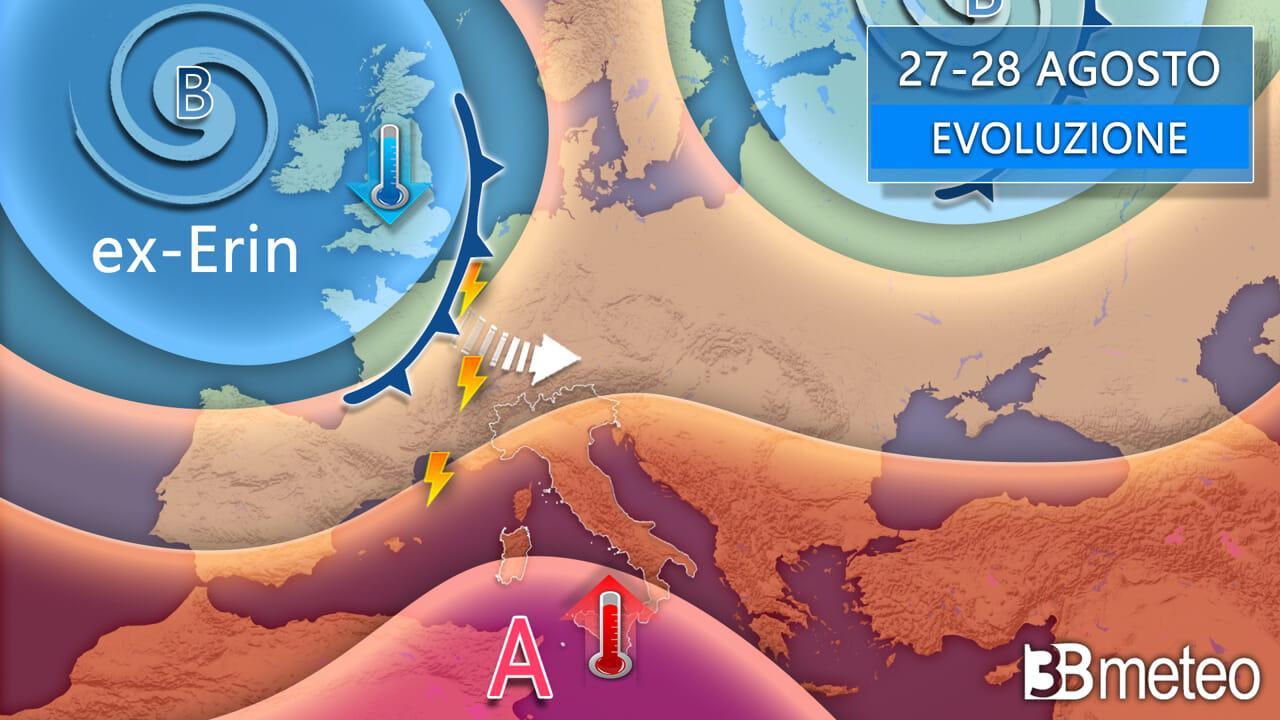
The Protezione Civile issued a yellow alert for the north-eastern and north-western areas of Lombardia, while an orange alert was issued for the Prealpi Varesine and Occidentali, and the Seveso and Lambro rivers were placed under special monitoring for possible esodazioni.
In Milan, an ordinance still prohibits entry into large parks during weather alerts, with officials citing fears of tree falls and ongoing stability and safety checks.
The same report said winds were expected to be fairly weak and temperatures to drop by 4°C compared with previous days, with the bad weather potentially lasting until Saturday and reaching the Centro Sud with some showers in Campania.
Atlantic systems and extremes
A separate wave of bad weather moved through Central Italy, with a powerful downpour in San Benedetto del Tronto (AP) causing flooding of underpasses and some homes, and a main road in Acquaviva Picena (AP) giving way due to ground subsidence.
In San Benedetto del Tronto, measurements from the MIR network recorded 49 millimeters of rain between 11:45 and 12:45 on July 28, and Civil Protection issued a yellow alert until midnight July 30 for the risk of river floods, thunderstorms, wind, and rough seas.
Geopop linked the event to an Atlantic disturbance originating from northern Europe that reached the central Mediterranean, describing how polar cold air collides with tropical warm air to generate vortices that move toward Europe.
The article also warned that disturbances have become increasingly intense and frequent in recent years, tying this to global warming and an energy surplus gained over warmer-than-normal waters.
In Emilia-Romagna, heavy rains hit mainly the Ravenna and Forlì areas, with rainfall accumulation reaching 90 mm in the city of Ravenna and a waterspout reported at Porto Garibaldi in Comacchio (FE) without causing damage.
Heat waves, cold snaps
While Italy and parts of Europe faced unsettled conditions, Euronews described continental Portugal under a strong heat wave, with temperatures reaching up to 42 °C and seven districts on red alert until 9:00 p.m. on Sunday.
“Météo-France has placed 17 departments under yellow alert for strong winds on Thursday, March 26”
Euronews said extreme heat later gave way to unsettled weather phenomena including rain, thunderstorms, hail, and even a dust cloud on some beaches, and it reported an active fire in Almacena in the district of Castelo Branco with 155 firefighters, 49 vehicles, and five aircraft deployed at 2:00 p.m.
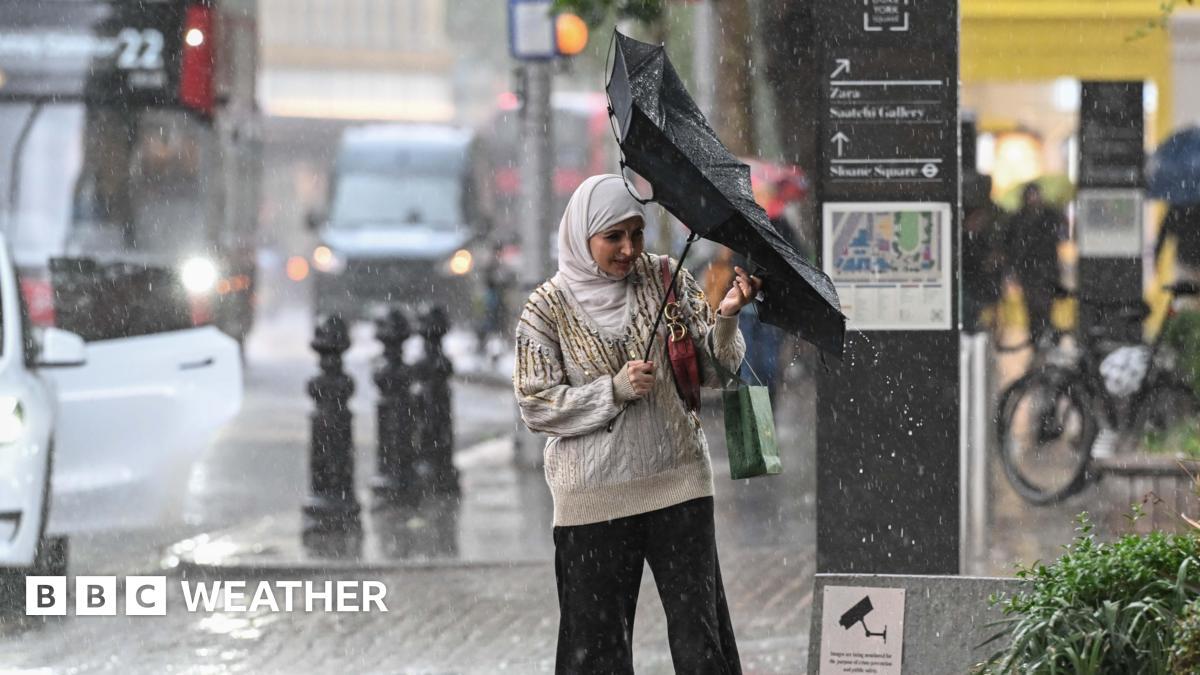
In the UK, the BBC described a dramatic swing from a record-breaking heatwave in late May to cooler and wetter weather as a stronger jet stream returned, with the Met Office issuing a yellow wind warning for southern Britain.
The BBC said Tuesday looked turbulent with regular showers that by afternoon would be heavy with hail, thunder and lightning, and it added that the Met Office’s three-month summer outlook released on 1 June suggested an increased chance of heatwaves and heat-related impacts.
Across the Atlantic, Météocity framed the polar vortex as a huge cold depression and said that in 2026 an intense episode in the United States could drop temperatures as low as -35 °C, while also describing how weakening can allow Arctic air to plunge toward mid-latitudes.
More on Technology and Science

OpenAI Rolls Out ChatGPT Lockdown Mode To Protect Against Prompt Injection Attacks
15 sources compared

Scientists Make Sourdough Bread With Yeast From Ötzi the Iceman’s Mummified Body
12 sources compared

Trump Administration Imposes Medicaid Work Reporting Rules, Forcing Oregon To Rework IT Systems
10 sources compared

University of Cambridge Completes First Human Trial Of AI-Designed Universal Coronavirus Vaccine
17 sources compared