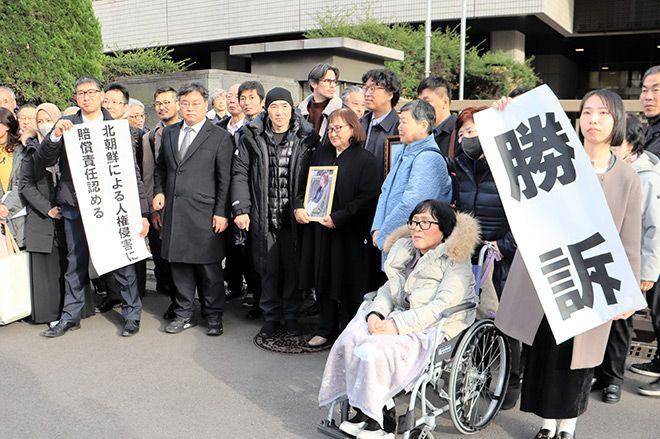
Tokyo Court Rules North Korea Lured Japanese With State Propaganda, Forced Them Into Labor And Orders Pyongyang To Pay Compensation
Key Takeaways
- Tokyo court orders North Korea to pay 88 million yen to four lured migrants
- Pyongyang's state propaganda marketed North Korea as a 'paradise', enticing migrants to relocate
- Plaintiffs endured harsh conditions and were coerced into forced labor in North Korea
Compensation for forced repatriation
A Tokyo high court has ordered North Korea to pay 88 million yen (about $570,000) to four Japanese plaintiffs.
“One of the plaintiffs, Eiko Kawasaki, moved to North Korea in 1960 and escaped decades later A Tokyo court has asked Pyongyang to pay 88 million Japanese yen ($570,000; £416,000) to four people who were lured to North Korea decades ago by a propaganda scheme”
The plaintiffs say they were lured from Japan decades ago by a state-backed resettlement propaganda campaign and then subjected to harsh conditions including forced labor.
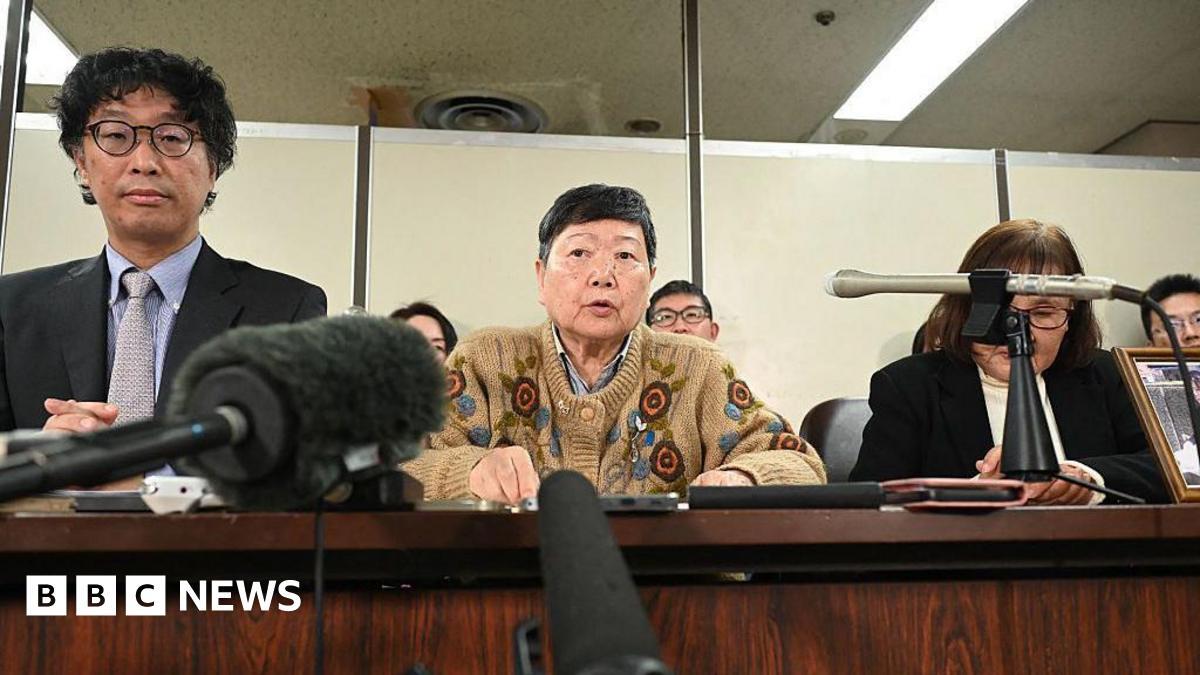
The ruling was described as historic but largely symbolic because Pyongyang ignored summonses and there is no practical way to enforce the judgment.
The plaintiffs are part of the larger wave of Zainichi Koreans who moved to North Korea between 1959 and 1984.
Zainichi Koreans' repatriation case
The plaintiffs are among more than 90,000 Zainichi Koreans who moved from Japan to North Korea between 1959 and 1984.
They were encouraged to relocate after being promised a better life, including a 'paradise on Earth' and free healthcare, education and jobs.
Survivors say those promises proved false.
At least one plaintiff, Eiko Kawasaki, who went in 1960, escaped in 2003 and is now 83.
Lawyers representing the plaintiffs called the ruling 'historic', marking the first time a Japanese court has formally recognised North Korean malpractice in this context.
Japanese court case timeline
The legal history reported in the sources shows a multi-stage Japanese court process.
“Skip to content Your browser does not support JavaScript, or it is disabled.Please checkthe site policyfor more information”
The case was filed in 2018.
A 2022 Tokyo district court dismissed the claims.
The Tokyo High Court overturned that dismissal in 2023.
The recent judgment formally recognised North Korean wrongdoing.
Judge Taiichi Kamino said the defendants' lives were largely destroyed by North Korea.
Lawyers caution, however, that enforcing payment will be difficult.
North Korea legal non-compliance
Both sources report that North Korea did not respond to the lawsuit or court summonses, leaving the award practically unenforceable.
The BBC explicitly notes that Kim Jong Un has not responded.
İlke highlights the difficulty of collecting damages and frames the ruling as a formal recognition of wrongdoing, even though Pyongyang ignored the process.
Court ruling and survivor impact
The judgment’s recognition of wrongdoing and the personal testimonies cited by the plaintiffs underscore the human impact — forced labour, restricted freedom, and lives upended.
“Güneşli Tuesday, January 27, 2026 A Tokyo court has ordered North Korea to pay 88 million yen (about $570,000) in compensation to four people who were lured to the country decades ago under a state-backed propaganda campaign, in a ruling described by lawyers as historic despite being largely symbolic”
The sources differ in emphasis: one highlights the court’s formal recognition and the destruction of lives, while the other stresses the symbolic, unenforceable nature of the award.
The lack of a response from Pyongyang means the ruling’s practical effect is limited even as it offers legal acknowledgment for survivors.
More on North Korea
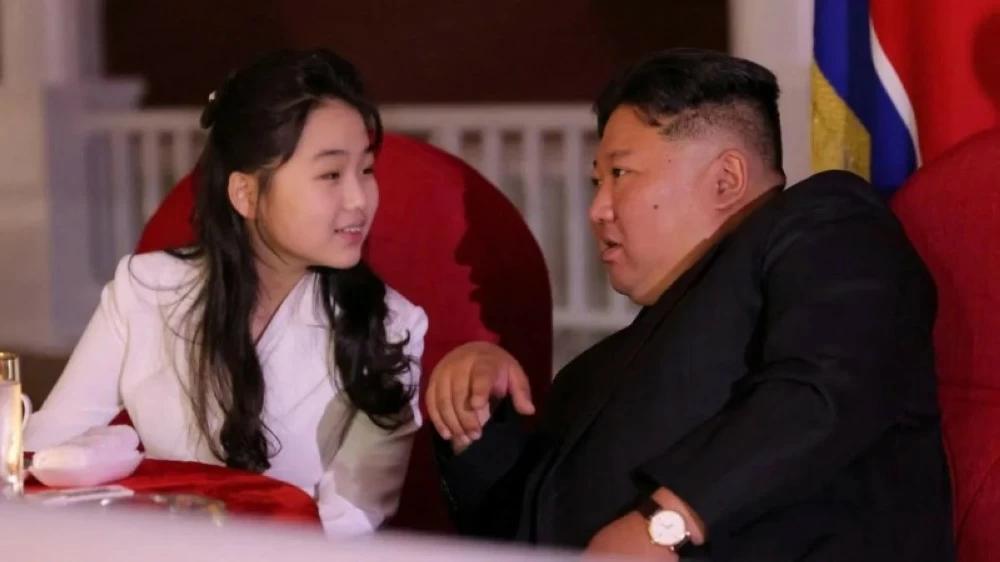
South Korea's Spy Agency Names Kim Jong Un's Daughter as North Korea's Heir
26 sources compared

Hong Kong Requires Passwords; China Summons US Consul Over Security Alert
12 sources compared

Kim Jong Un Leads Test of More Powerful ICBM Solid-Fuel Engine
11 sources compared
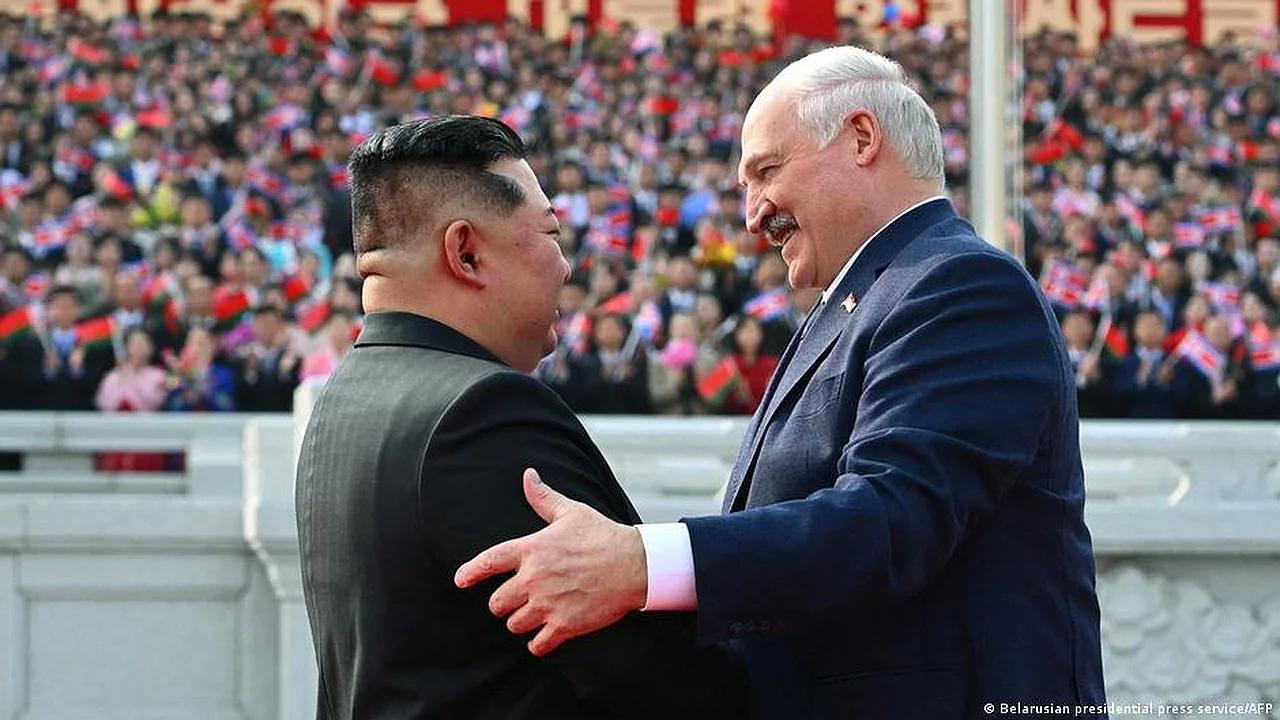
Lukashenko Signs Friendship Treaty With North Korea, Gifts Automatic Rifle to Kim
11 sources compared