Business01 December, 20252 min read
Top 100 Arms Makers Post Record $679 Billion in Sales, Fuel Wars in Gaza and Ukraine
This article is an automated aggregation of coverage from news outlets. Our editorials offer in-depth analysis curated by the NewsCord team.
The top 100 arms firms' revenues rose 5.9% to a record $679 billion in 2024 Wars in Ukraine and Gaza and higher defence budgets drove demand for weapons and drones

9 outlets told this the same way.
2024 global arms revenue
SIPRI’s 2024 ranking shows the world’s top 100 arms producers posted record revenues of $679 billion. This represents a 5.9% year‑on‑year rise that SIPRI and reporters link to higher defence budgets amid the wars in Ukraine and Gaza. Several news outlets report the same headline figures and attribute the increase to those conflicts.
“SIPRI reported that the 100 largest global arms producers recorded a record $679 billion in weapons and military services sales in 2024, up 5.9% from 2023. SIPRI attributes the rise largely to higher military spending amid the Gaza and Ukraine wars.”
Al Jazeera attributes the rise largely to higher military spending amid the Gaza and Ukraine wars. Mathrubhumi English reports a 5.9% increase driven largely by higher defence spending tied to the wars in Ukraine and Gaza.
Zoom Bangla News likewise finds the growth driven mainly by the wars in Ukraine and Gaza. Boldnewsonline frames the increase as driven largely by conflicts in Ukraine and Gaza and broader increases in military spending.
Regional defence revenue trends
Gains were concentrated in Europe and the United States, while Asia and Oceania were the only regions to decline. Multiple outlets report that US firms drove a large share of the increase. Mathrubhumi noted that 30 of 39 US firms in the top 100 grew revenue, and combined US revenue rose to $334 billion.
Several outlets say Europe (excluding Russia) posted the biggest percentage rise. By contrast, Asia and Oceania fell largely because Chinese defence firms saw about a 10% decline. Українські Національні Новини emphasized the Europe/US contribution to the increase, and Zoom Bangla News and Al Jazeera provided similar regional accounts.

Chinese defence revenue drop
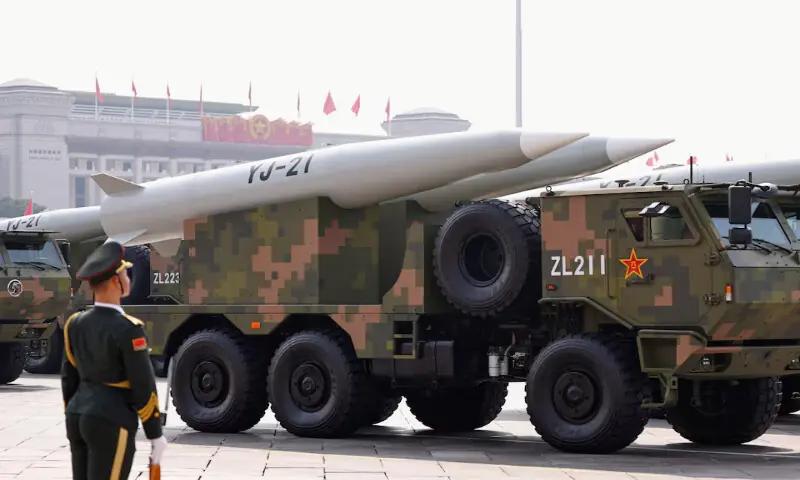
China’s defence companies were a major exception to the overall growth, with multiple reports attributing roughly a 10% drop in revenues of Chinese firms listed in the top 100 to anti‑corruption probes, cancelled or delayed contracts, and domestic setbacks. The Economic Times notes a roughly 10% revenue decline at Chinese military companies after an anti‑corruption crackdown.
“SIPRI finds a roughly 10% revenue decline at Chinese military companies after an anti-corruption crackdown.”
Boldnewsonline reports that China’s leading defence firms fell about 10% amid corruption probes and delayed contracts. Zoom Bangla News refers to procurement corruption scandals that hurt Chinese companies.
Arms-sales strain supply chains
SIPRI and reporters warn that record arms sales may stress global supply chains, create material shortages, and compound programme delays and cost overruns. Boldnewsonline cites SIPRI saying strong current demand could strain supply chains, especially for critical minerals, while Mathrubhumi highlights possible material and supply-chain constraints and related cost and schedule problems. Zoom Bangla reports manufacturers are expanding production capacity to meet demand for artillery, drones and other hardware, underscoring pressure on inputs and skilled workers.
Arms market coverage
The political and ethical dimensions of reporting about the defense sector appear differently across news outlets. Some articles note that firms expanded sales despite international backlash. Other pieces concentrate on market dynamics and corporate performance.
“Israeli firms’ revenues increased 16% to USD 16.2 billion, sustaining international demand amid criticism over Gaza.”
Al Jazeera reports Israeli firms' revenues rose 16% to USD 16.2 billion, sustaining international demand amid criticism over Gaza. Mathrubhumi highlights notable jumps in companies from Czechia and Ukraine.

Boldnewsonline frames the sector's surge as an outcome of conflict-driven demand. These differences reflect editorial choices, with some sources foregrounding geopolitical and reputational controversy while others emphasize business and programme implications.