Britain18 January, 20262 min read
Tory MP Andrew Rosindell Defects to Nigel Farage's Reform UK
Romford MP Andrew Rosindell left the Conservative Party to join Reform UK Second Conservative MP in a week to join Reform, increasing Reform's parliamentary MPs to seven
24 outlets told this the same way.
Outlets did split on UK Police Charge Teddy Young With Spying For Foreign Power, Royal Navy Member →
MP defection to Reform UK
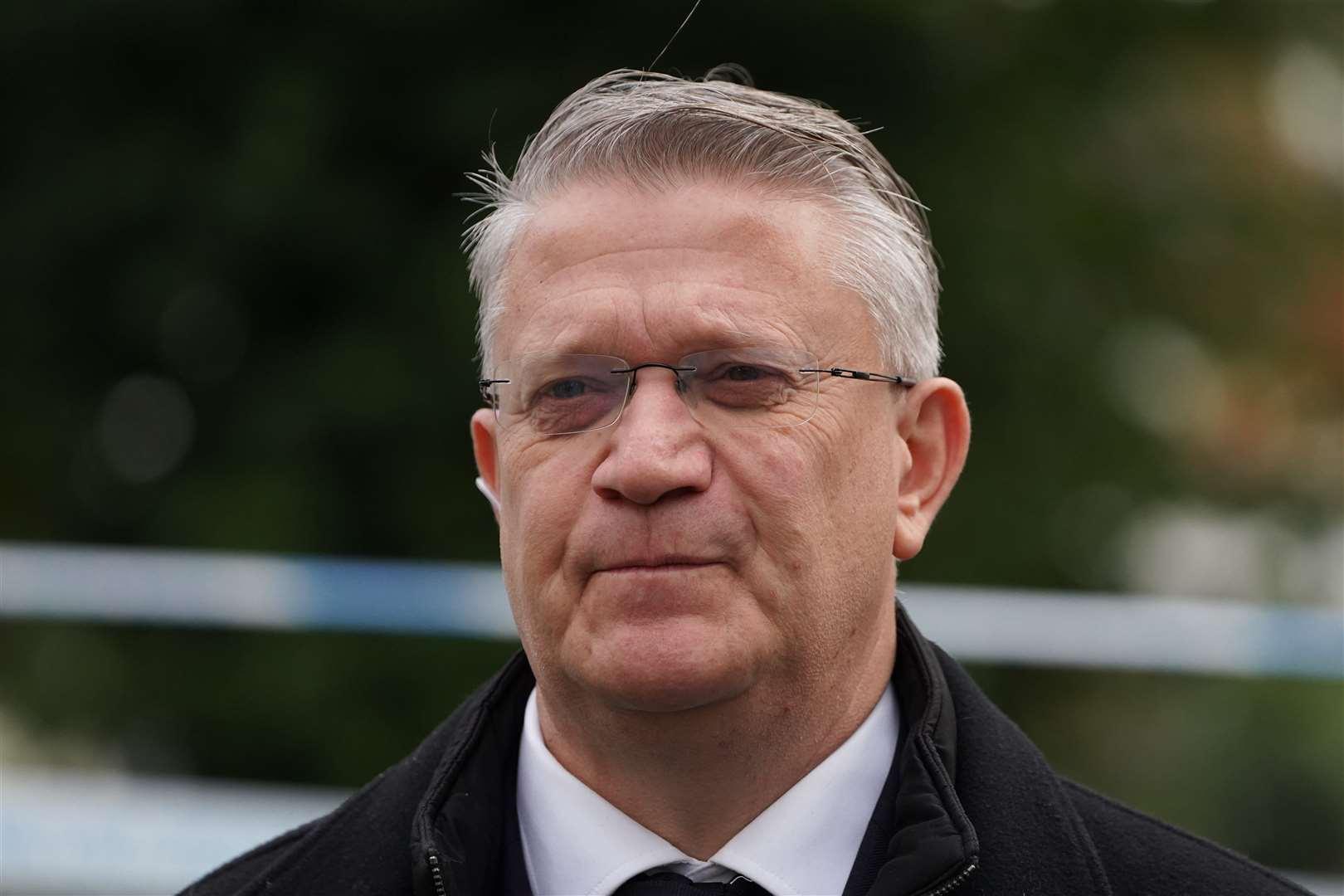
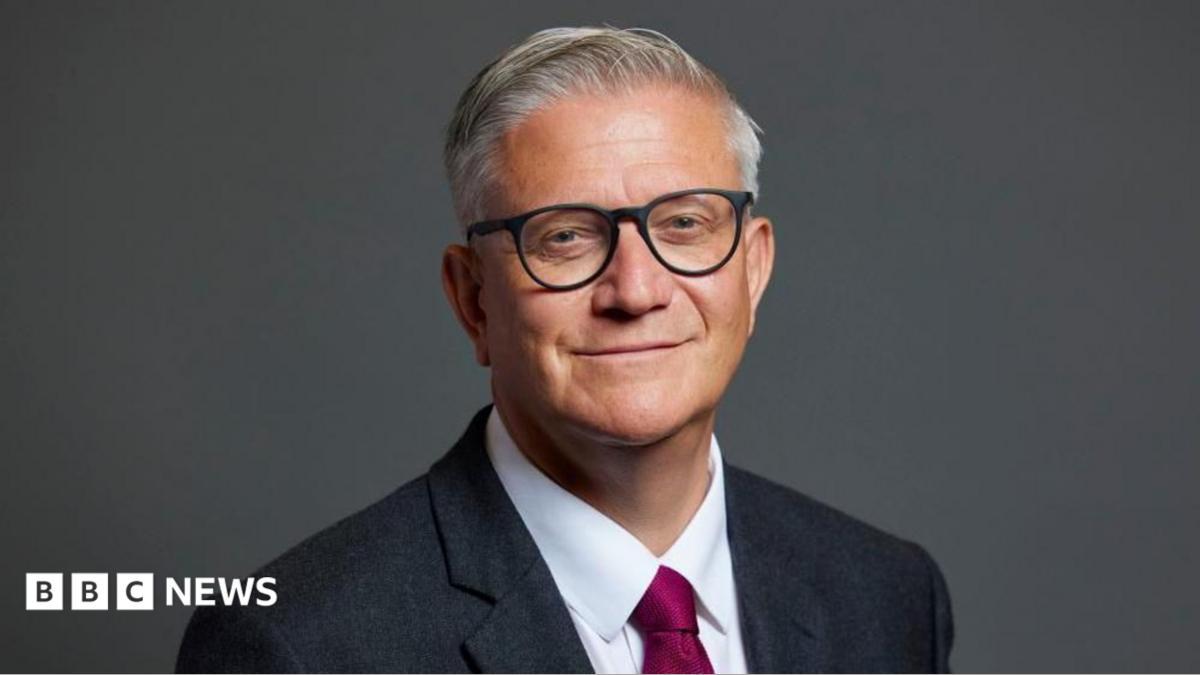
Andrew Rosindell, the long-serving Conservative MP for Romford, has quit the party and defected to Nigel Farage's Reform UK, becoming the party's seventh MP. Rosindell, an MP since 2001 and a former shadow foreign office and home affairs minister, announced his resignation from the Tory frontbench.
“Rosindell said his decisive issue was the Conservatives’ handling of the Chagos Islands and argued Reform is 'the only political movement that is genuinely willing to fight for the best interests of the United Kingdom,' accusing the Tories of failing to hold government to account and presiding over 'managed decline.'”
He framed the move as putting "country before party," repeatedly citing the government's handling of the Chagos Islands as his decisive issue. His switch follows Robert Jenrick's recent defection and increases Reform's parliamentary group ahead of key local elections on 7 May.
Chagos and Diego Garcia dispute
Rosindell explicitly tied his decision to the Chagos/Diego Garcia dispute. He described recent negotiations over the British Indian Ocean Territory (the planned transfer of sovereignty to Mauritius while arrangements for the Diego Garcia base continue) as a 'red line'.
He accused his former party of failing to defend Chagossian self-determination and British sovereignty. Reporting varies on detail: some outlets outlined the base and lease arrangements, while others limited coverage to his political criticism.
Responses to Rosindell defection
Reactions have been mixed and politically charged. Nigel Farage and fellow Reform members welcomed Rosindell as a patriot.
“Farage welcomed him as a ‘great patriot’ and has set a May 7 deadline for accepting further former or current politicians.”
Conservative sources accused him of betraying colleagues after months of threats, Labour critics called Reform a vehicle for failed Conservative policies, and the Liberal Democrats downplayed the significance. Kemi Badenoch publicly insisted she was '100% confident' no more of her shadow cabinet would defect.
Timing, recruitment and party shifts
Timing and strategy are prominent themes in coverage. Reform has set an explicit 7 May cut-off for admitting current and former MPs and councillors ahead of local elections. Outlets note a wave of recent departures from the Conservatives.
Some reports frame Farage’s drive as a recruitment push with a 'transfer day' deadline. Other reports suggest the Conservatives are trying to contain damage and signal internal confidence.

Rosindell's defection context
Local and historical outlets note Rosindell's long record as a Thatcherite, flag campaigner, staunch Brexiteer and Member of Parliament since 2001, and they place the defection in that personal context. Some local and regional reports stress the Romford angle and his constituency ties. Others raise broader concerns that Reform is increasingly being populated by former Conservatives rather than forming a distinct political movement.
“Romford MP Andrew Rosindell has left the Conservatives to join Nigel Farage’s Reform UK, becoming London’s first Reform MP.”