Entertainment23 February, 20262 min read
Tourette's campaigner John Davidson shouts racial slur during BAFTAs broadcast; BBC opens fast-tracked probe
John Davidson shouted the N-word during the BAFTAs at Michael B. Jordan and Delroy Lindo The BBC apologised and launched a fast-tracked investigation over failing to edit out the slur

58 outlets told this the same way.
Outlets did split on Chad Lowe and Kim Painter Mourn Daughter Fiona Hepler Lowe’s Death at 13 →
BAFTAs: vocal tic incident
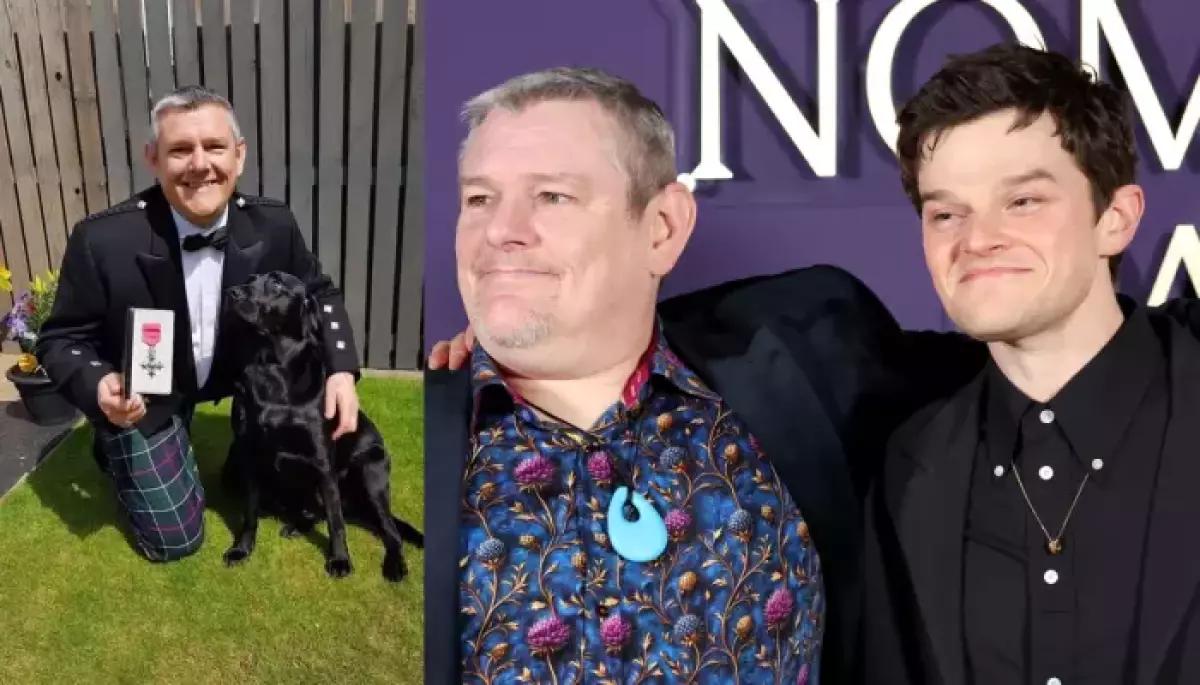
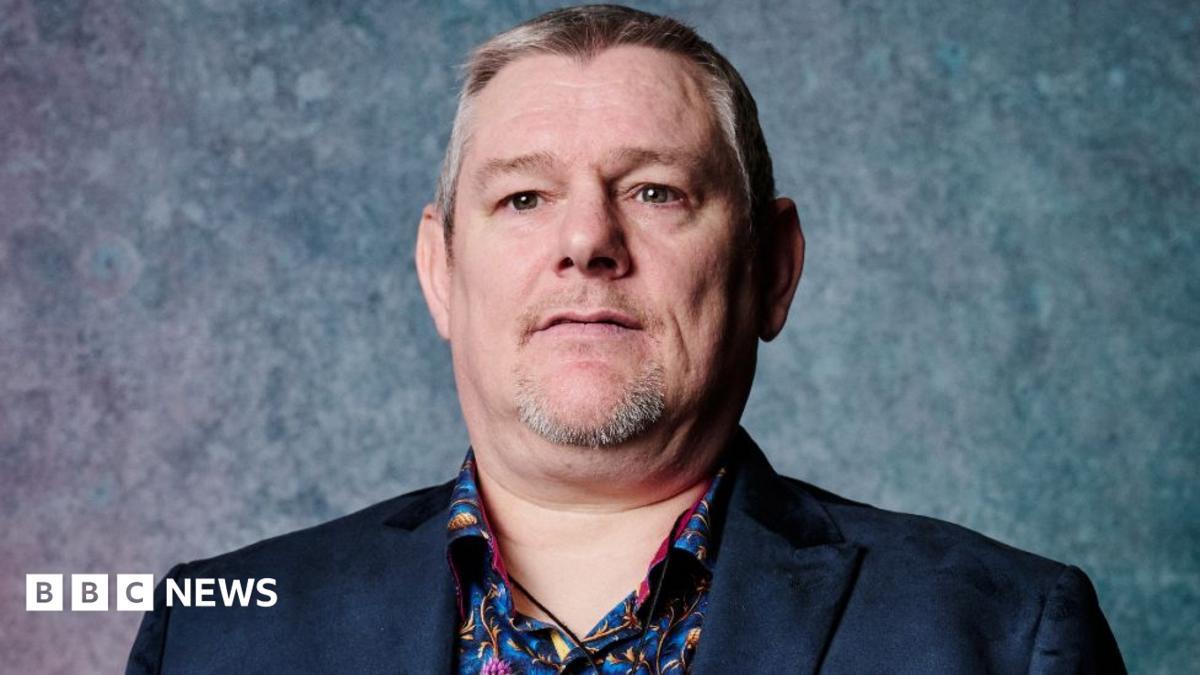
At the BAFTA Film Awards on Feb. 22, Scottish Tourette’s campaigner John Davidson, the real-life subject and executive producer of the film I Swear, emitted audible involuntary vocal tics during the ceremony.
“At the BAFTA Film Awards, audience member John Davidson — who has Tourette’s syndrome and is the subject of the documentary I Swear — repeatedly shouted involuntary profanities during the live-recorded ceremony, including a racial slur that was audible on the BBC One broadcast.”
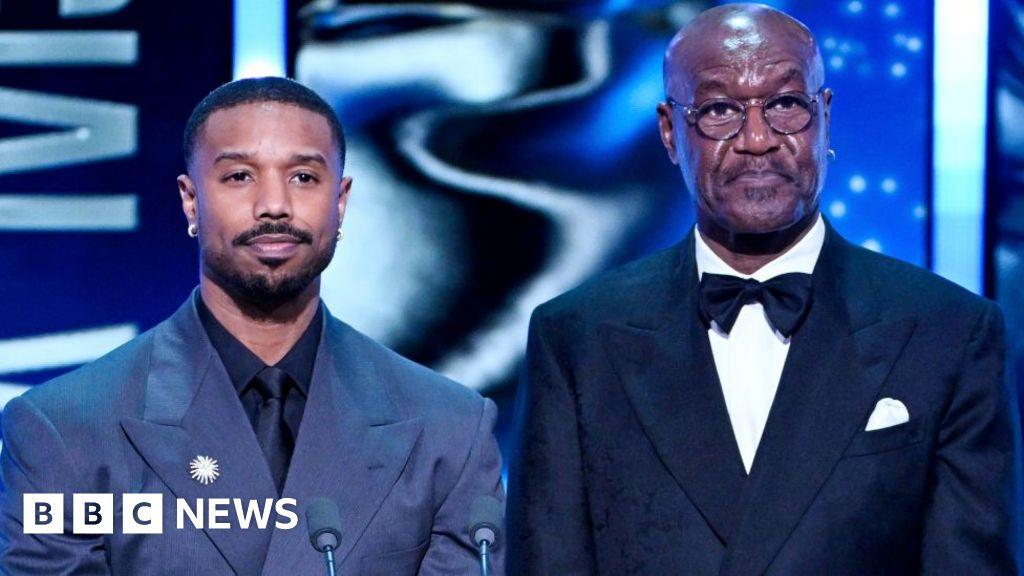
Those tics included a racial slur while Michael B. Jordan and Delroy Lindo were presenting the best visual effects award.

Host Alan Cumming addressed the auditorium, explained that the language could be a symptom of Tourette’s and apologised 'to anyone offended.'
The slur remained on the BBC’s delayed broadcast and was later removed from BBC iPlayer.
The BBC described the language as arising 'from involuntary verbal tics associated with Tourette syndrome.'
The episode went viral online and quickly became the dominant headline of the night.
I Swear won two BAFTAs that night, including best actor for Robert Aramayo.
Broadcast slur responses
The BBC apologised and said it would remove the clip from iPlayer. BAFTA issued an 'unreserved' apology and opened a comprehensive review of the event. Sky News reported the BBC director-general ordered a 'fast-tracked' investigation by the Executive Complaints Unit to respond to complainants.
The BBC said the word was 'missed' and 'aired in error' on the delayed broadcast and said another slur had been edited out previously. BAFTA said it 'takes full responsibility' and thanked presenters for their 'dignity and professionalism,' while also pledging to learn from the incident.
Reactions to Tourette's remarks
Reaction across the industry and online was mixed. Some advocates and charities urged understanding and highlighted coprolalia as an involuntary symptom affecting a minority of people with Tourette’s. Several Black creatives and public figures said the responses felt inadequate and demanded clearer apologies and support for those targeted.
“EE Rising Star winner Aramayo used his BAFTA moment to highlight Tourette’s, praise the affected individual (Davidson) as an educator, and call for better support rather than dismissal.”
Production designer Hannah Beachler and figures such as Jamie Foxx publicly criticised how the apologies were framed. Conversely, I Swear actor Robert Aramayo used his acceptance speech to defend Davidson and call for greater education and support for people with Tourette’s.
Broadcast editing controversy
Several reports criticised editorial choices: the ceremony had been recorded and broadcast on a roughly two-hour delay, a decision meant to allow removal of offensive material, yet the slur aired on BBC One and remained on iPlayer for hours.
Multiple outlets noted that producers had edited other contentious moments (including cutting an apparent 'Free Palestine' line from Akinola Davies Jr.'s acceptance speech) while the Davidson slur remained in the televised edit, prompting questions about inconsistent censorship and editorial oversight.
Broadcasting Tourette's debate
The episode reopened debate about how live and tape-delayed events should handle involuntary medical symptoms that also include offensive language. Davidson has questioned why he was seated so close to a microphone and told outlets he 'uttered around ten offensive words' that night and was 'deeply mortified.'
Advocates suggested practical steps, such as bleeping or muting in pre-recorded broadcasts, and said the incident highlights a need for public education about Tourette’s. Critics argued that a medical explanation does not erase harm to those targeted and urged stronger accountability from organisers and broadcasters as the BBC’s fast-tracked probe proceeds.