Technology and Science26 March, 20262 min read
Tourism Delivers Caffeine, Pharmaceuticals, Cocaine Into Remote Bahamian Sharks
Cocaine, caffeine, and analgesics detected in blood of 85 sharks near Eleuthera, Bahamas. Human activity-related waste contributes to the contaminants found.
New contamination milestone
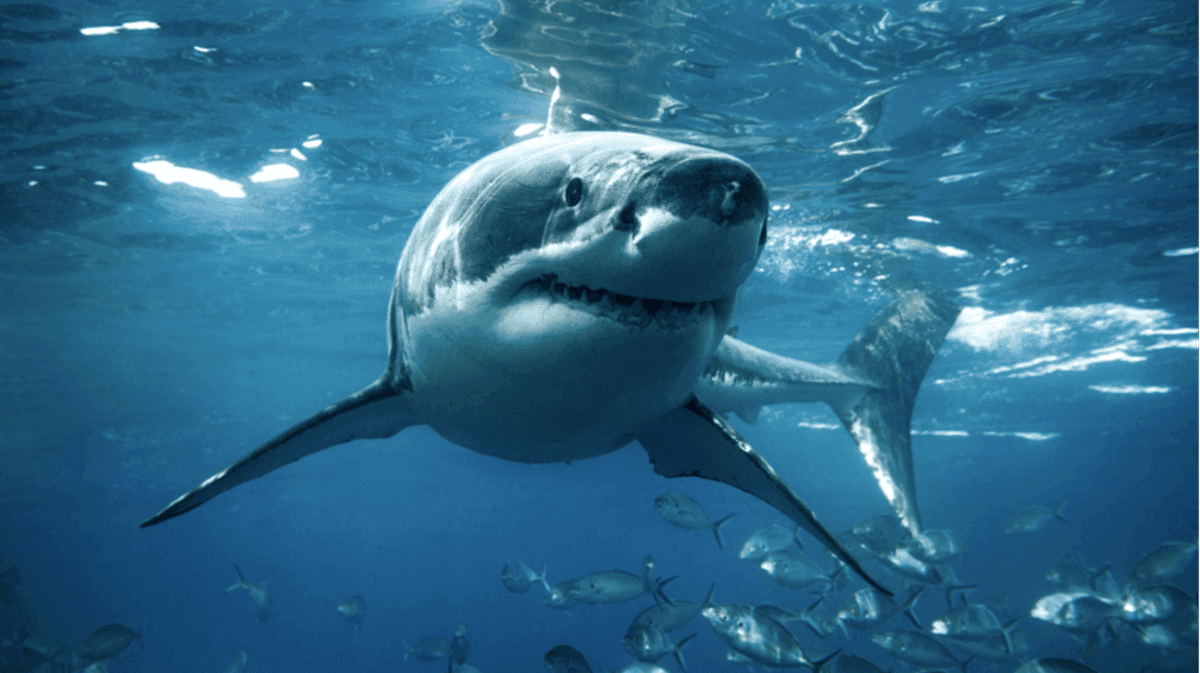
Researchers sampled 85 sharks around Eleuthera and found 28 with detectable substances, including caffeine, acetaminophen, diclofenac, and cocaine. The study marks the first documented caffeine traces in sharks anywhere and the first cocaine detections in Bahamas sharks.
“Sharks in the Bahamas have tested positive for cocaine, a new study concludes. Researchers from the Bahamas, Brazil, and Chile also found traces of caffeine and painkillers in the sharks.”
Contaminants appear tied to tourism-driven development and wastewater from boats near popular dive sites. The result shows emerging contaminants reaching apex predators in a remote West Atlantic ecosystem.
Substance breakdown and site
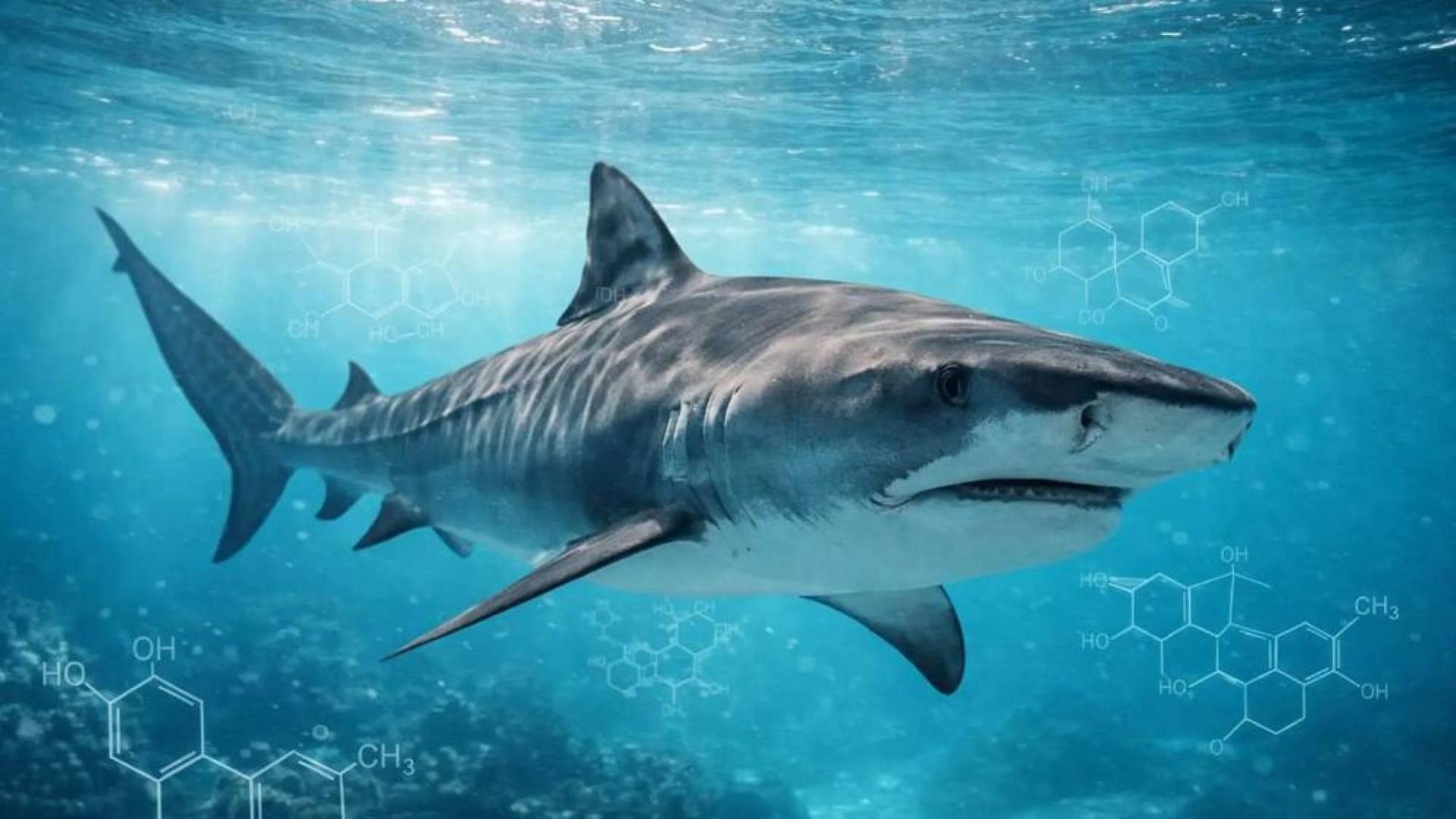
Caffeine was the most frequent substance, detected in 27 sharks. Cocaine was detected in two sharks; researchers suspect it may have come from drug packets that fell into the water.
Acetaminophen (paracetamol) and diclofenac were detected in several sharks, albeit at lower frequencies. The Aquaculture Cage zone and nearby tourist hubs showed the highest contaminant concentrations.

Biology and risk implications
Researchers observed changes in metabolic markers in contaminated sharks, suggesting physiological stress and higher energy use to detoxify. Experts caution that direct behavioral changes are not yet established, but physiological stress signals are concerning for predator–prey dynamics.
“Their continual influx poses risks not only to marine biodiversity but also to human health through seafood consumption and recreational water exposure.”
The study notes potential risks to human health via seafood consumption and recreational exposure to polluted waters. Overall, the findings frame a broader problem: emerging contaminants are entering marine ecosystems through everyday human activity.
Policy response and needs
Researchers urge improved wastewater management and monitoring in tourism-heavy West Atlantic enclaves. The Aquaculture Cage area shows high contaminant concentrations and is frequented by tourist boats and diving activity.
There is a clear need for broader contaminant surveillance and stronger waste-disposal controls to curb marine pollution. Non-Western outlets emphasize local pollution narratives, reinforcing the case for global wastewater reform and monitoring.
Global significance and non-Western context
Times of India emphasizes the global reach of emerging contaminants in marine environments, noting widespread recognition of CECs in areas under rapid urbanization and tourism-driven development. LA Nacion highlights that caffeine and acetaminophen have been documented in sharks worldwide for the first time, and that cocaine and diclofenac are newly recorded in Bahamas sharks.
“Pharmaceuticals and illicit drugs are increasingly recognized as contaminants of emerging concern (CECs) in marine environments, particularly in areas undergoing rapid urbanisation and tourism-driven development.”
El Diario Ecuador stresses the risk that these substances can move through the food chain and ultimately reach humans via seafood. UNILAD frames the finding as further evidence that substances created for humans are penetrating remote ecosystems.
