Britain03 November, 20252 min read
Train Derails After Network Rail Ignores Landslip Risk on Glasgow-London Route, Injuring Four
This article is an automated aggregation of coverage from news outlets. Our editorials offer in-depth analysis curated by the NewsCord team.
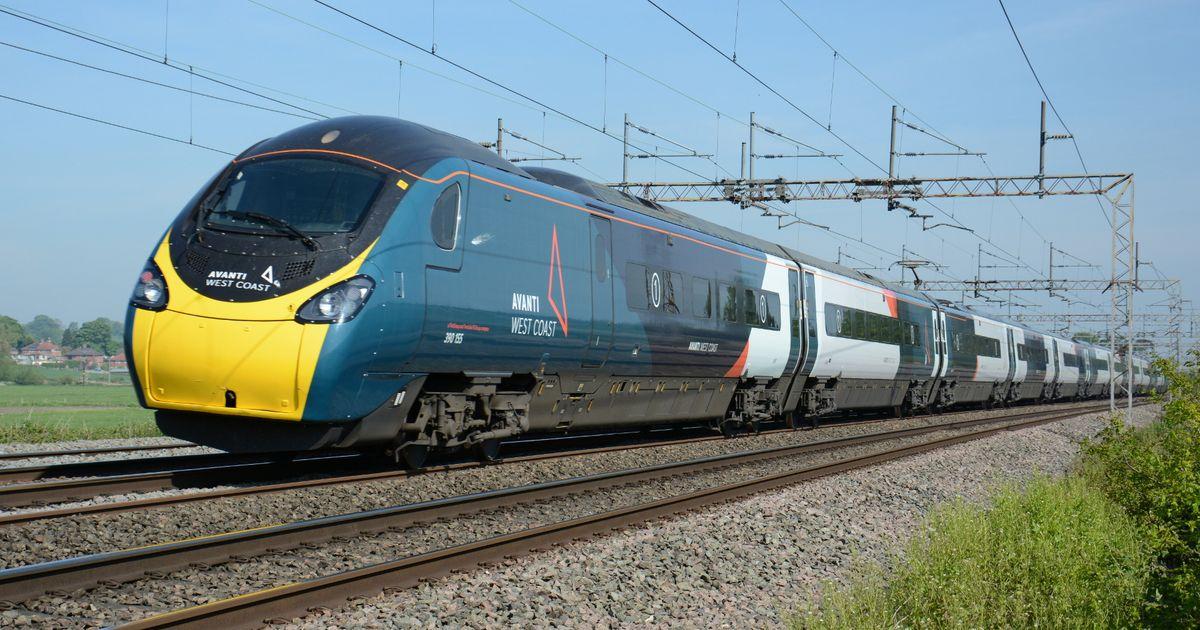
Avanti West Coast train derailed near Shap, Cumbria after hitting a landslip at 80mph Four passengers sustained minor injuries; around 85 people were on board during derailment

18 outlets told this the same way.
Outlets did split on UK Police Charge Teddy Young With Spying For Foreign Power, Royal Navy Member →
Train Derailment Incident
An early morning Avanti West Coast service from Glasgow to London derailed near Shap in Cumbria at about 06:10 after striking a landslip. The incident left four people with minor injuries and prompted a major incident response. Sources vary on the number of passengers and staff, with several reporting 87 and others saying around 85.
“An early morning Avanti West Coast train from Glasgow to London derailed at 06:10 GMT near Shap in Cumbria, likely after hitting a landslip caused by heavy rain.”
All sources agree that everyone was safely evacuated and that the front coach remained upright. Multiple outlets highlight the train’s speed was around 80 mph at the time of the derailment.
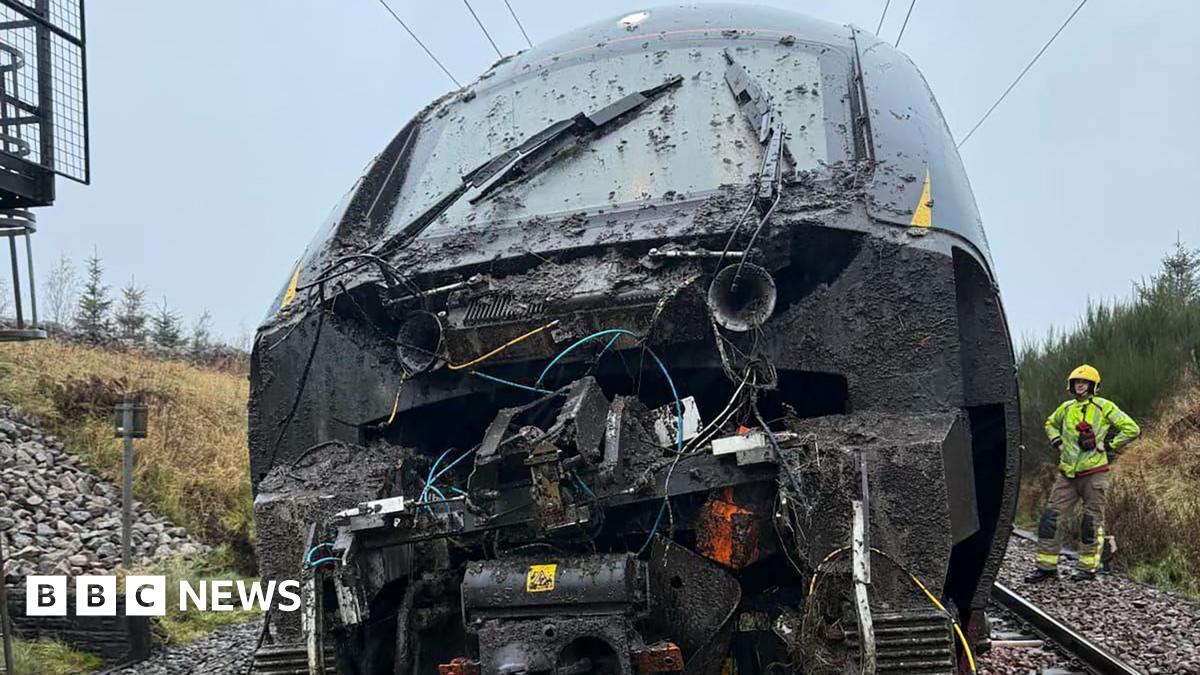
There was widespread disruption on the West Coast Main Line between Preston and Carlisle, with lines blocked and services canceled or curtailed. Authorities and operators arranged coaches to move passengers amid significant delays expected to continue beyond the day of the incident.
Investigation of Landslip Incident
Investigators from British Transport Police and Network Rail are examining a suspected landslip after days of heavy rain in a steep, landslip-prone area. Coverage ranges from cautious language—‘likely’ a landslip caused the derailment—to firmer attributions that heavy rainfall exceeding 77 mm over three days triggered the slide.
Several sources emphasize the region’s recurrent landslip risk and say infrastructure resilience will be scrutinized, with a local MP intending to raise concerns in Parliament. Importantly, none of the sources reviewed claim that Network Rail ‘ignored’ the landslip risk; instead, they report ongoing investigations and context about weather and geography.
West Coast Main Line Disruption
Disruption on the West Coast Main Line is severe. Services north of Preston and south of Carlisle are blocked. Closures are also reported between Penrith and Oxenholme.
“Passengers are advised not to travel north of Preston, with alternative travel arrangements and ticket acceptance on other operators in place.”
Operators have canceled services from Glasgow and Edinburgh. Northbound trains are terminating at Preston. Alternative tickets are available and accepted on other operators.
Some outlets advise passengers to avoid travel north of Preston. Others state that Monday tickets will be valid on Tuesday.
Forecasts of disruption range from lasting throughout the day to several days. Rail replacement capacity is limited due to a shortage of coaches.
Response to Rail Incident
Officials emphasized safety and oversight following the incident. A major incident was declared, with Liverpool Echo noting it was later stood down after assessing 87 passengers. The Transport Secretary called it a major incident and said she is monitoring the response.
Scotland’s First Minister expressed relief at the lack of serious injuries and insisted rail remains generally safe. Local politicians intend to press infrastructure issues in Parliament. Emergency services and operators prioritized evacuation and passenger support during challenging conditions.
Media Coverage of Rail Disruption
Coverage focus varies across media types. Western Alternative outlet TheNational.scot foregrounds the 80 mph impact speed and day‑long disruption. Local Western STV News mirrors the 80 mph detail and multi‑day disruption.
“The incident has caused significant travel disruptions across Scotland and England, with major delays expected to continue throughout the day, Avanti West Coast reported.”
Several local and ‘Other’ outlets run community calls: Daily Record asks passengers to contact reporters, and Richmond & Twickenham Times seeks eyewitness accounts. Surrey Comet says ‘No casualties,’ in tension with multiple reports of four minor injuries.
.jpg&w=1920&q=75)
Sutton Guardian carries unrelated messaging about supporting local advertisers. Notably, none of the sources assert that Network Rail ‘ignored’ known landslip risks; instead, they report investigations and contextualize recurring weather‑related vulnerabilities.