Gaza Genocide03 November, 20253 min read
Türkiye Hosts Hamas Delegation to Enforce Gaza Ceasefire Amid Israeli Violations
Turkish intelligence chief Ibrahim Kalin met Hamas delegation to discuss Gaza ceasefire enforcement. Hamas reaffirmed commitment to the ceasefire despite accusing Israel of ongoing violations.
12 outlets told this the same way.
Outlets did split on Israel Marks Oct. 7 Anniversary With Strikes on Gaza, Netanyahu Faces Election After Nova Tribute →
Ceasefire Efforts in Gaza Conflict
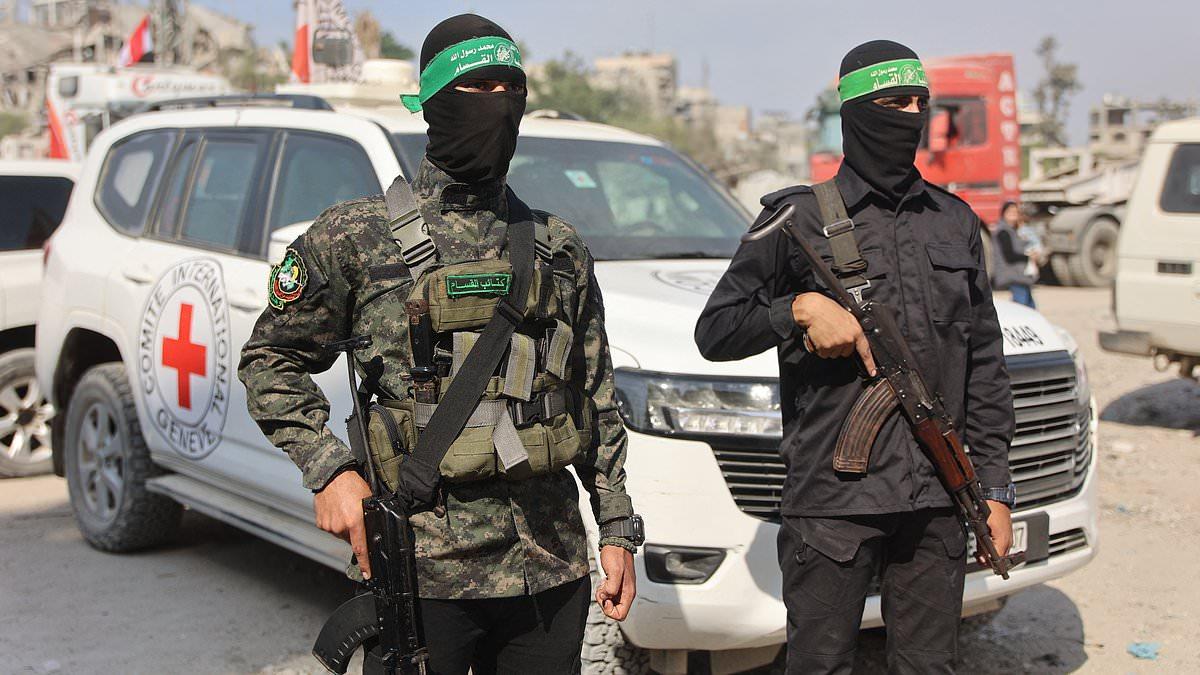
Türkiye hosted a Hamas delegation in Istanbul to push the ceasefire forward and enforce its next phases while Israel continues striking Gaza and restricting aid. Turkish intelligence chief Ibrahim Kalin met Hamas leader Khalil al-Hayya to discuss advancing the ceasefire and implementing the next phases of the Gaza agreement. Hamas affirmed its commitment to the ceasefire despite ongoing Israeli violations.
“The head of Turkish intelligence, Ibrahim Kalin, met in Istanbul with a Hamas delegation led by Gaza Strip leader Khalil al-Hayya to discuss advancing the ceasefire and implementing the next phases of the Gaza agreement.”
Türkiye also briefed Hamas on aid deliveries and coordinated with international organizations to increase the flow of assistance. Ankara positioned itself as a key intermediary to keep the ceasefire alive. Israel is conditioning the second phase of talks on the complete handover of all hostage remains.

Israel stated that one of the returned bodies did not match its captives list. Gaza’s Health Ministry reports over 68,200 deaths and more than 170,300 injuries.
Turkey's Diplomatic Efforts on Gaza Ceasefire
Ankara is organizing a wider diplomatic front. Turkey convened a meeting with representatives from seven countries—Qatar, Saudi Arabia, the UAE, Jordan, Pakistan, and Indonesia—to advance a ceasefire in Gaza after a prior U.S.-led gathering. Foreign Minister Hakan Fidan called for international pressure on Israel.
Participants warned that aid deliveries are far below UN targets and noted that the Rafah crossing has been closed for two weeks, hindering medical evacuations. In parallel, Turkey and Qatar played key roles in negotiating the ceasefire and persuading the group controlling Gaza to accept the peace plan.

Israeli opposition to Turkish involvement persists even as the U.S. supports Ankara’s role. Plans include a temporary international stability force drawn from Muslim countries to manage the withdrawal phase.
Ceasefire Challenges in Gaza
Israeli forces continue to kill Palestinians during the ceasefire period through airstrikes, shelling, aid strangulation, and the closure of Rafah. Türkiye is working hard to sustain the truce and move to the next steps. Al-Jazeera Net reports that the ceasefire remains fragile as Israel continues airstrikes, artillery shelling, aid restrictions, and the closure of the Rafah crossing.
“The ceasefire, established on October 9 in Sharm El-Sheikh through mediation by Qatar, Egypt, Turkey, and the U.S., remains fragile as Israel continues airstrikes, artillery shelling, aid restrictions, and closure of the Rafah crossing.”
El Mundo adds that Israel has caused significant casualties in Gaza and that aid deliveries are far below UN targets. Daily Sabah cites the Gaza Health Ministry’s tally of over 68,200 deaths and more than 170,300 injuries, highlighting the scale of killing that Türkiye is trying to stop while enforcing the ceasefire phases.
Israeli Legislation and Palestinian Impact
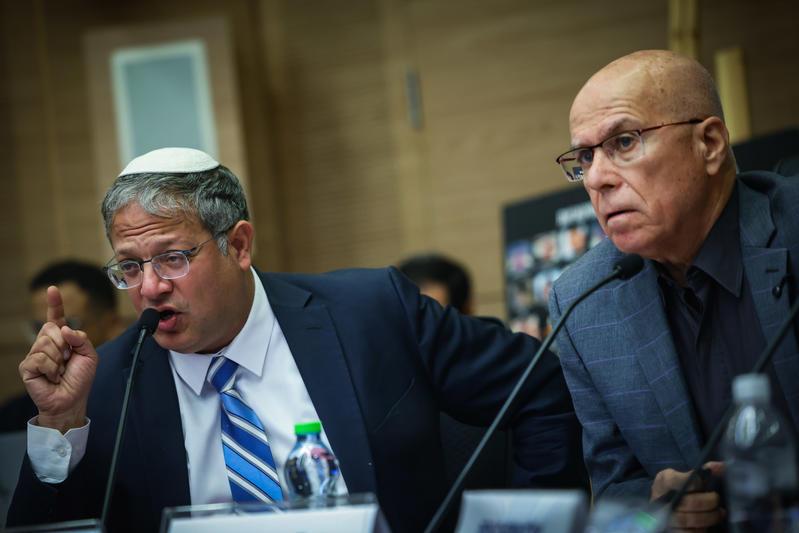
Hardline Israeli legislation further undermines the ceasefire environment. Israel’s parliament advanced a bill to impose the death penalty on Palestinians convicted of “nationalistically motivated murder.” National Security Minister Itamar Ben-Gvir is pushing to remove judicial discretion and the law excludes Israelis who kill Palestinians.
Palestinian and international groups denounced the bill as a “war crime,” “crime against humanity,” and a “brutal crime.” Rights monitors report that Israel has detained over 10,000 Palestinians, restricted legal and Red Cross access, and practiced systematic torture resulting in at least 80 deaths. Even Israel’s hostage coordinator Gal Hirsch initially opposed debating the bill but reversed his position after hostages were brought into Israel, according to multiple reports.

Türkiye's Role in Gaza Ceasefire
Looking ahead, Türkiye is trying to enforce the ceasefire’s next phases while confronting Israeli obstruction and the devastation that Hamas says is delaying implementation. Israel is tying phase two to the complete handover of all hostage remains, while Hamas says recovery is slowed by extensive destruction in Gaza. Ankara continues to coordinate aid and press international actors as participants urge international pressure on Israel, even while Israel opposes Turkish participation in a proposed security force and keeps Rafah closed.
“Israel stated that one of the returned bodies did not match any of its listed captives and has linked the start of the second phase of cease-fire talks to the complete handover of all hostage remains.”
Hamas and its supporters call Israel’s escalations part of an ongoing genocide and ethnic cleansing and demand UN intervention. Others stick to legal language about severe and brutal crimes, but all highlight the urgency of stopping Israel from killing more Palestinians as the ceasefire is enforced.