USA03 November, 20252 min read
Trump Accuses China and Russia of Secret Nuclear Tests, China Denies and Calls for US to Honor Test Ban
This article is an automated aggregation of coverage from news outlets. Our editorials offer in-depth analysis curated by the NewsCord team.
President Trump accused China and Russia of secretly conducting nuclear weapons tests. China firmly denied all nuclear testing allegations, reaffirming its no-first-use policy.

9 outlets told this the same way.
Trump's Nuclear Testing Claims
Former US President Donald Trump accused China and Russia—along with North Korea and Pakistan—of secretly conducting underground nuclear weapons tests. He used these allegations to justify an immediate US return to nuclear testing after more than three decades. Trump made the claims in a CBS interview and on social media, asserting that other countries test but do not publicly announce them.
“Former President Donald Trump stated in a CBS ‘60 Minutes’ interview that the United States will begin testing nuclear weapons, similar to Russia, China, North Korea, and Pakistan.”
He also ordered the Pentagon to prepare for US nuclear tests. Coverage notes that he provided no evidence to support his claims.

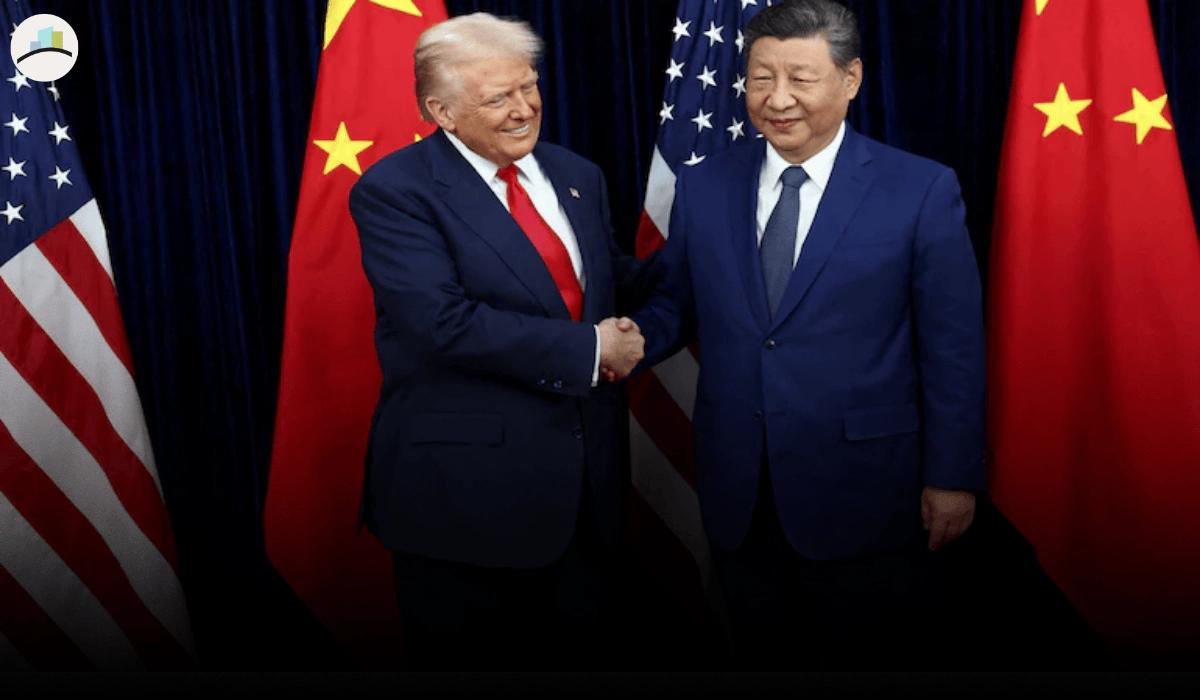
Reports link the timing of the announcement to a summit with China’s Xi Jinping. These allegations mark a sharp rhetorical shift toward resuming US nuclear testing despite the longstanding moratorium since 1992.
China's Response to Nuclear Accusations
China swiftly rejected the accusations and called on Washington to honor the testing moratorium and uphold arms control frameworks. Chinese Foreign Ministry spokespeople reiterated a no-first-use, self-defense nuclear posture and commitment to peaceful development. They urged the US to maintain global strategic stability and preserve the Comprehensive Nuclear-Test-Ban Treaty regime.
One Asian outlet asserts that China has signed and ratified the CTBT. West Asian coverage emphasizes Beijing’s denial and the call for the US to keep its moratorium.

US Nuclear Testing Debate
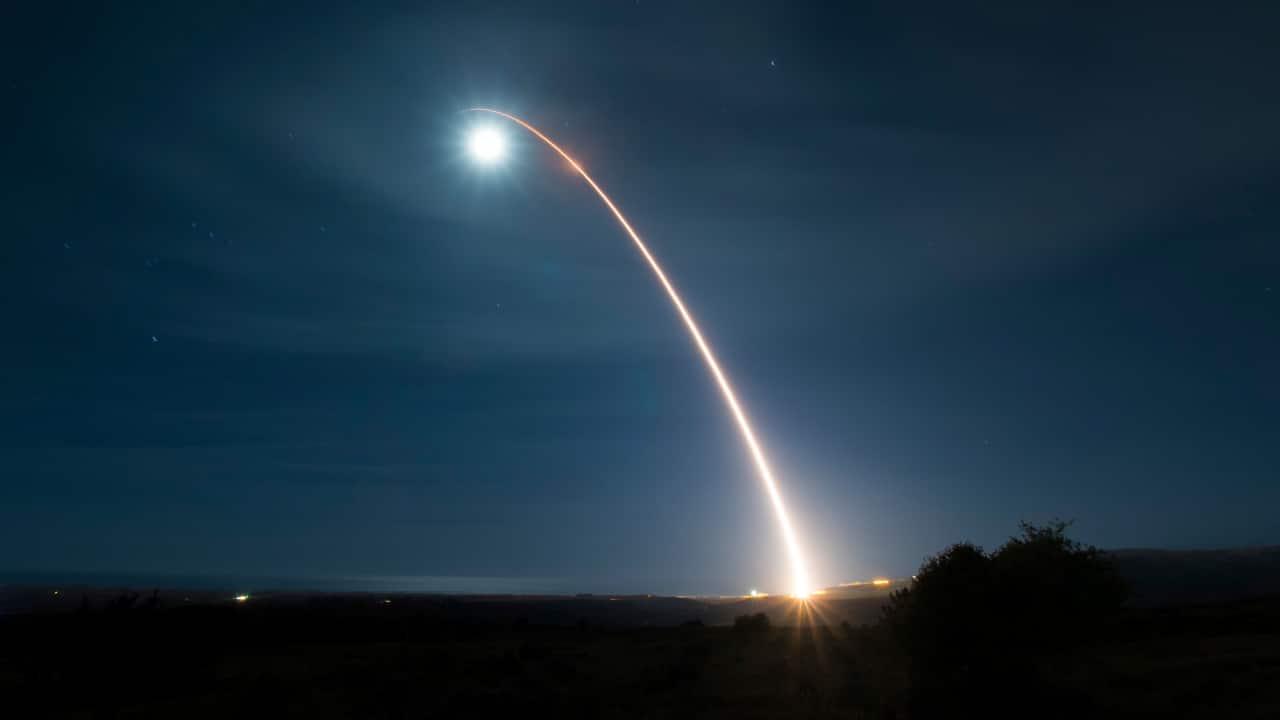
Reporting diverges on what Trump’s testing order would actually entail. Some coverage relays that the US has not conducted a nuclear explosion since 1992 and that, aside from North Korea, no country has detonated a nuclear device in recent decades. However, Russia has tested new nuclear-powered weapons.
“The US Energy Secretary later clarified that the planned tests likely refer to system tests rather than actual nuclear detonations.”
Al Jazeera cites a US Energy Secretary clarification that any near-term US tests would likely be system tests rather than actual nuclear detonations. Other outlets emphasize the political shock and non-proliferation concerns raised by restarting testing.
Global Strategic and Diplomatic Risks
Beyond the immediate exchange, outlets point to broader strategic risks. West Asian coverage urges preservation of arms control and global stability. Asian and other sources emphasize non-proliferation norms and diplomatic fallout.
Analysts cited in Asian reporting link China’s firm rejection to tensions over nuclear transparency and strategic capabilities. One Asian outlet also notes a drop in rare earth magnet shipments, implying that such accusations could affect diplomacy amid US–China rivalry. West Asian coverage highlights China’s stated readiness to cooperate internationally to uphold non-proliferation and stability.
Media Perspectives on Test Allegations
Coverage also diverges on regional and political stakes. The Express Tribune (Asian) notes Pakistan has not responded to Trump’s allegations and warns of potential setbacks to non-proliferation. Space War News (Western Alternative) centers Trump’s framing that others test secretly and anchors it to a historical testing timeline.
“Trump suggested that other nations conduct underground tests discreetly, implying the U.S. should not be the only country refraining from such tests.”
West Asian outlets, including TRT World and Al Jazeera, foreground Beijing’s denial and calls for Washington to honor the test ban moratorium and broader arms control architecture. Together, these narratives reflect a split: some amplify Trump’s assertion of clandestine testing, others prioritize denials, legal commitments, and the need to avoid a renewed testing race.