Europe07 December, 20253 min read
Trump Administration Adopts Policy to Back European Far-Right and Interfere in EU Politics
U.S. strategy endorses and seeks to empower MAGA-aligned and European far-right parties National Security Strategy frames EU integration and liberal democracy as rivals to U.S. interests

28 outlets told this the same way.
Outlets did split on Marco Rubio Urges Europe To Awaken From Slumber In Athens Speech →
U.S. NSS and Europe
A newly released U.S. National Security Strategy (NSS) under the Trump administration has been read by several outlets as an explicit effort to reshape European politics by "helping Europe correct its current trajectory".
“The article argues that the Trump administration has declared a cultural and ideological war on liberal Europe, treating the EU and its values-based, rules-based order as an adversary to be steered toward illiberal, nationalist politics.”
Critics say the tactics described amount to backing illiberal, far-right forces.

EL PAÍS English characterises the move as the Trump administration declaring a cultural and ideological war on liberal Europe and argues the NSS aims to cultivate resilience by engaging directly with sympathetic individuals, parties, and governments rather than with the EU.
The paper likens this strategy to a Russian-style divide-and-conquer playbook.
Other outlets describe the NSS as part of a broader "America First" reorientation that reduces alliance-led, rules-based engagement and elevates domestic economic and identity concerns to the centre of foreign policy.
Analysts warn these changes could create openings for far-right and Eurosceptic movements to gain influence.
These readings rest on the NSS language itself and on reported White House planning to target political actors viewed as aligned with its agenda.
EU reaction to U.S. proposal
Top EU figures reacted sharply. El País reports that European Council President Charles Michel condemned the proposal, warning that Washington "cannot replace European citizens in choosing which parties are good and which are bad," and became the first senior EU leader to publicly rebuke what he called U.S. attacks on the Union.
Other European voices, including France’s foreign minister, Polish politicians, MEPs and former prime ministers, joined calls to defend EU autonomy, while some national leaders with sympathies to Trump-style politics (for example Hungary’s Viktor Orbán and other far-right figures) welcomed parts of the shift. The overall European response is portrayed as tense and divided rather than uniformly accepting the U.S. framing.

U.S. strategic reorientation
The NSS reorders U.S. priorities in ways that commentators say create space for the administration's Europe-focused interventions. Multiple summaries describe the Middle East as downgraded in importance in favor of an economic and locally led approach. They describe a firm stance on China, including 'rebalancing' and deterrence over Taiwan.
“Middle East: a softer, more economically focused approach that favors engagement ... China: calls for a 'rebalancing,' preparation for possible conflict ... Overall posture: an 'America First,' more noninterventionist stance.”
The NSS pushes for preeminence in the Western Hemisphere and frames policy within an 'America First' approach that links foreign policy to domestic economic goals like reindustrialisation and supply-chain resilience. Il Sole 24 ORE and Al Jazeera note the strategy also reframes Russia, with Il Sole 24 ORE pointing out the document does not list Russia as a 'direct threat'. Other outlets quoted Kremlin officials welcoming the shift as 'largely consistent with our vision'.
Global reactions to NSS
The Kremlin publicly welcomed the NSS, with spokesman Dmitry Peskov calling it a 'radical departure' and 'largely consistent' with Moscow's view and suggesting the strategy could create space for dialogue on Ukraine.
Some U.S. Democrats and other critics condemned the document as a retreat from alliance commitments, and several outlets quoting the Kremlin emphasised that Moscow's welcome did not negate concerns that the 'deep state' could act differently than the document's rhetoric suggests.
Regional outlets and broadcasters, including the Australian Broadcasting Corporation and lnginnorthernbc.ca, repeated Peskov's comments, whereas U.S.-focused reporting flagged immediate domestic political backlash.
U.S. NSS effects on Europe
Sources present a contested story about the U.S. National Security Strategy (NSS) and its implications for Europe.
“A newly released U.S. national security strategy explicitly aims to 'help Europe correct its current trajectory' by 'cultivating resilience,' which the author reads as a plan to engage directly with sympathetic individuals, parties and governments.”
Some outlets, including EL PAÍS English and El País, read NSS language about cultivating resilience and helping Europe correct its current trajectory as a targeted political intervention likely to empower illiberal actors.
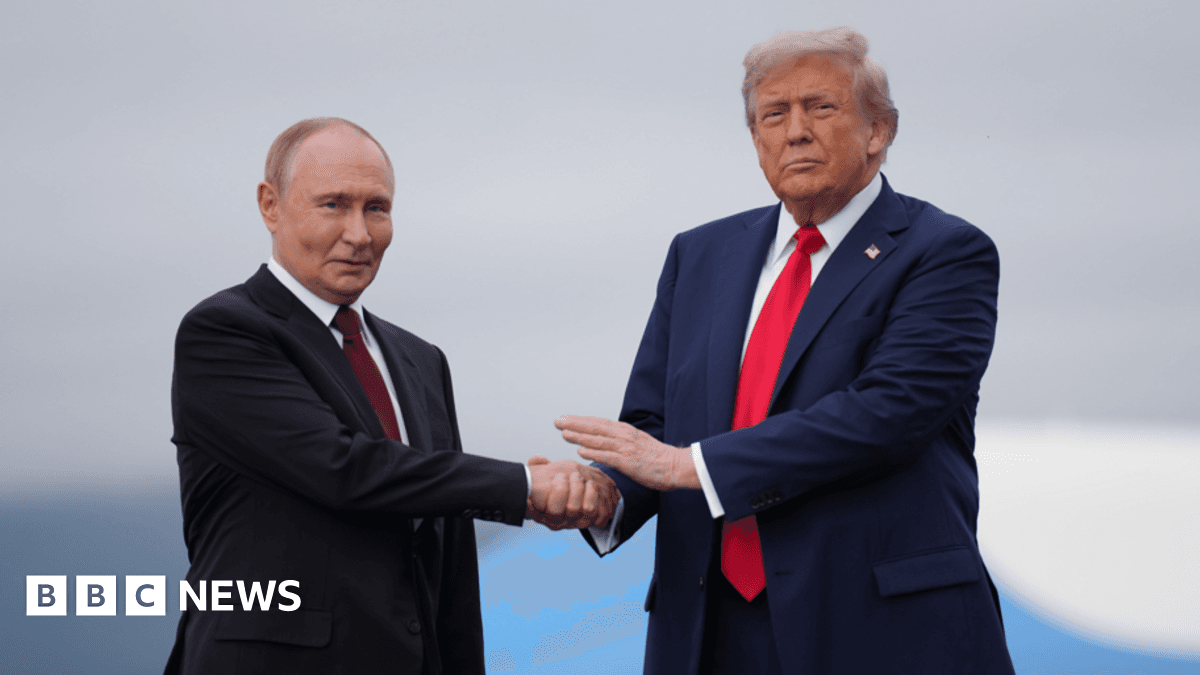
Other outlets such as SSBCrack News, Al Jazeera, and Il Sole 24 ORE place those passages within a broader strategic pivot — an America First approach that reprioritises hemispheric dominance, industrial policy, and China deterrence — and debate the political consequences for Europe.
Reporting highlights ambiguity and disagreement: EU officials warn against interference, Kremlin officials welcome the text’s softer language toward Russia, and domestic U.S. actors are sharply divided.
On the central claim that the administration is actively backing Europe’s far right, coverage ranges from explicit accusation (EL PAÍS English) to interpretive accounts that link NSS priorities to possible political effects without documenting direct operational support.