USA24 March, 20262 min read
Trump administration bans imports of new foreign-made routers over security risks
FCC bans approval and sale of all new foreign-made consumer routers in the U.S. Existing routers approved or in use are not affected.

Security Ban Overview
The Trump administration has implemented a sweeping ban on imports of new foreign-made consumer routers. The Federal Communications Commission (FCC) added all consumer-grade routers produced in foreign countries to its Covered List. This prohibits new models from receiving FCC equipment authorization required for importation, marketing, or sale in the United States.
“The U.S. Federal Communications Commission said on Monday it was banning the import of all new foreign-made consumer routers, the latest crackdown on Chinese-made electronic gear over security concerns. China is estimated to control at least 60% of the U.S. market for home routers, boxes that connect computers, phones, and smart devices to the internet.”
The determination followed a White House-convened review that concluded such devices "pose unacceptable risks to national security or safety and security of U.S. persons." The ban highlights both supply chain vulnerabilities and severe cybersecurity risks threatening critical infrastructure. China is estimated to control at least 60% of the U.S. market for home routers.
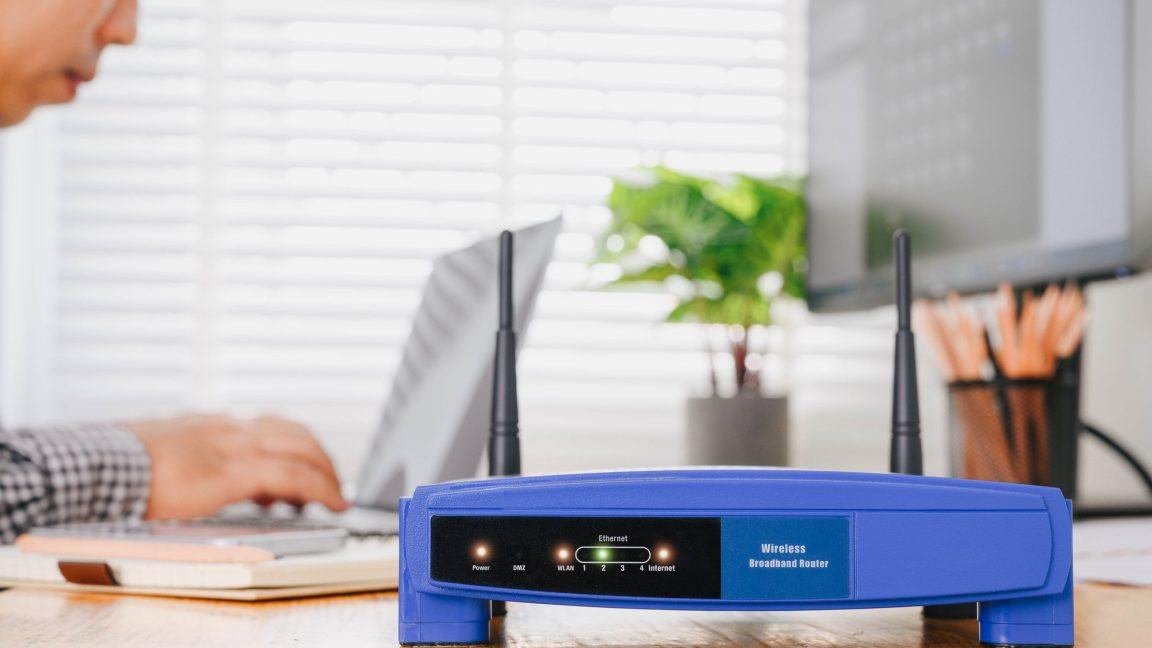
The FCC emphasized malicious actors have exploited security gaps in foreign-made routers for attacks, espionage, and intellectual property theft. The FCC cited involvement in major cyberattacks like Volt and Salt Typhoon.
Consumer Market Impact
The FCC's router ban will significantly impact U.S. consumers and the tech market. Consumers can continue using previously purchased routers and retailers may still sell previously approved models. Once existing stock is depleted, consumers may face limited selection and higher prices.
American companies will need to establish domestic manufacturing or seek special approval for new products. TechRepublic noted the move "could reshape the US tech supply chain and impact pricing and availability." ConsumerAffairs explained that "any new models of foreign-made routers will be barred from entering the U.S. market unless they receive special clearance."
Virtually all routers are manufactured overseas, including those from U.S.-based companies. Most of the router market will be affected by the new restrictions.
Company Responses
The router ban has triggered varied responses from tech companies. Representative John Moolenaar praised the FCC order for protecting against China's cyberattacks. Netgear commended the administration's action toward a safer digital future.
“‘Today's tremendous decision by the FCC and the Trump administration protects our country against China's relentless cyberattacks and makes it clear that these devices should be excluded from our critical infrastructure,’ Moolenaar said.”
TP-Link has become a focal point in the controversy. Texas Attorney General Ken Paxton sued TP-Link for allegedly allowing Beijing access to American consumers' devices. TP-Link defended itself, stating the Chinese government had no ownership or control.
TP-Link described Netgear's concerns as a "smear campaign" protecting market share. AppleInsider noted TP-Link offers affordable routers and the ban could benefit Netgear.
Strategic Context
The router ban represents part of a broader Trump administration strategy to reduce reliance on foreign technology. President Trump's 2025 National Security Strategy emphasized independence from outside powers for core components. This principle is directly reflected in the FCC's router restrictions.
The action follows a similar FCC determination in December 2025 banning Chinese drones. This indicates a pattern of targeting foreign-produced communications equipment. The FCC's Covered List is governed by the Secure and Trusted Communications Networks Act.

This requires the Commission to update the list only at direction of national security authorities. Equipment on the Covered List is prohibited from getting FCC equipment authorization.
The ban includes exemptions for routers granted "Conditional Approval" by DoD or DHS. TechRepublic observed this reflects "a growing war over cybersecurity and national control."