USA01 November, 20252 min read
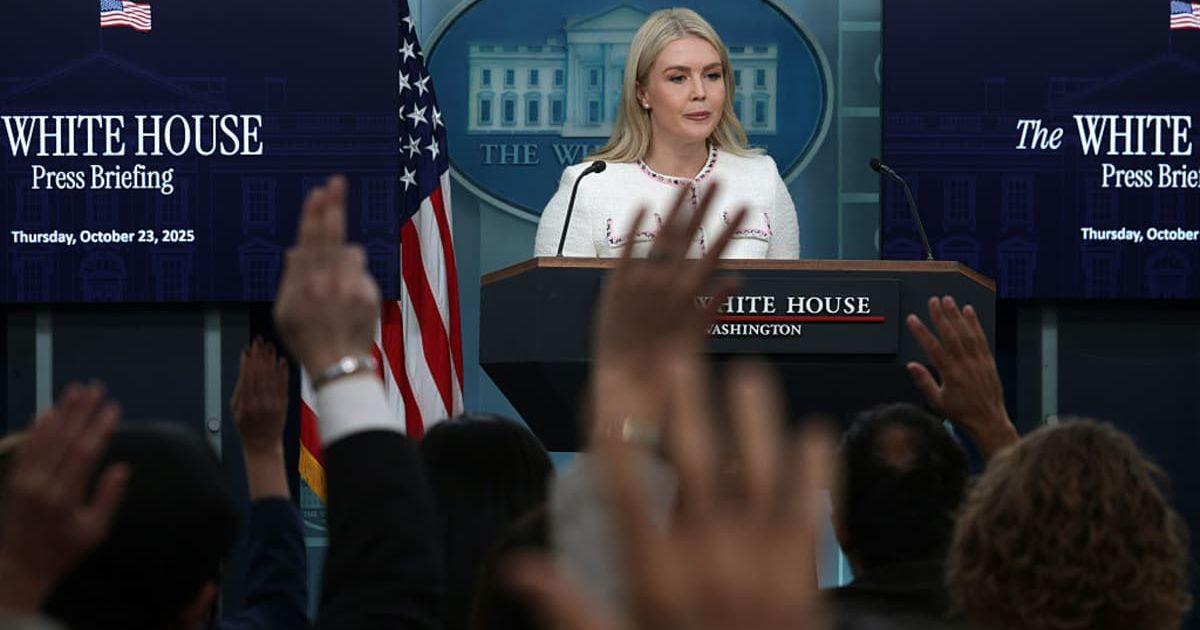
Trump Administration Bars Reporters From White House West Wing Without Appointment to Censor Press Access
Reporters must obtain appointments to access the West Wing’s Upper Press area. The restriction targets Room 140, housing the press secretary and senior communications staff.

19 outlets told this the same way.
Outlets did split on Trump Interrupted by Protesters at San Antonio Rally for Ken Paxton →
New White House Press Policy
The White House has imposed a new rule that bars credentialed reporters from entering the West Wing’s “Upper Press” workspace — Room 140, which houses the press secretary and senior communications staff near the Oval Office — without a prior appointment or approval. The National Security Council framed the policy as necessary to protect sensitive material and to coordinate national security communications.
“The White House has restricted reporters from accessing the ‘Upper Press’ area of the West Wing... without an appointment.”
Access to the “Lower Press” area by the Briefing Room remains open. Multiple outlets note the change is effective immediately and places a formal gate on what had long been unscheduled, face-to-face interactions with top communications officials.

Press Access Restrictions Debate
Press advocates reacted sharply to the recent restrictions on journalist access. The White House Correspondents’ Association (WHCA) called the move a setback for transparency and accountability. They argued it hinders journalists’ ability to press officials in real time.
Western Alternative outlets describe escalating tensions and an “exclusion zone.” Some local and Asian reports note timing gaps around WHCA statements. Several sources say officials justified the clampdown on national security grounds.

In one account, officials alleged misconduct by reporters. The WHCA says these factors do not outweigh the public’s right to scrutinize power.
Media Restrictions and Controls
Several outlets connect the West Wing restrictions to a broader pattern. The Pentagon recently imposed stringent media rules that many organizations refused, withdrew from, or protested, with some relinquishing credentials. The White House in February took control of selecting press-pool members, a choice long handled by the White House Correspondents' Association.
“Recently, the Pentagon implemented new restrictions requiring reporters to sign access agreements or lose their credentials... opposed by major news organizations like Reuters, the Associated Press, and Bloomberg News...”
Asian and tabloid sources also report the administration sidelined the Associated Press after it refused to adopt a directive to rename the Gulf of Mexico the 'Gulf of America.' One tabloid noted a judge ruled a related ban unlawful even as an appeal continued.
White House Media Policy Debate
The administration defends the West Wing rule as protecting national security information handled by communications staff. Critics see the rule as part of a broader effort to control narratives. Talking Points Memo openly derides the notion that reporters receive truthful or useful information from inside the White House.
It also mocks claims that Trump is the most transparent president ever. The Daily Beast highlights dismissive responses to press questions and notes that the policy comes amid escalating tensions.

Samaa TV reports that officials accuse some reporters of secretly recording or entering restricted areas. This justification is echoed in West Asian coverage emphasizing the protection of sensitive material.
Media Coverage of Access Restrictions
Outlets also situate the move in historical and editorial context. Multiple sources draw a parallel to a short-lived Clinton-era policy restricting access. Some coverage adds off-topic developments that shape the broader climate.
“These restrictions echo a similar, brief policy from the Clinton administration.”
The Pavlovic Today mentions nuclear testing hints and a looming shutdown. NewsBreak bundles the access rule with unrelated U.S. and Brazil news items.
Asian and West Asian outlets focus tightly on process and security rationales. Western Alternative outlets tend to emphasize transparency setbacks and confrontation.