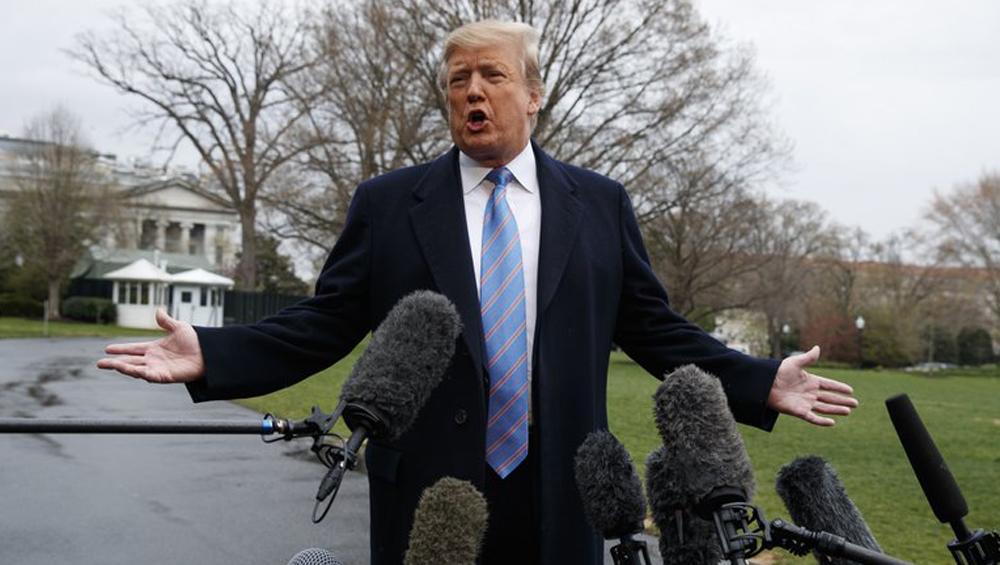
Trump Administration Considers Executive Order Creating A.I. Working Group For Model Oversight
Key Takeaways
- Trump administration considering an executive order to create an AI working group for pre-release oversight.
- Formal government review of new AI models before public release, involving tech executives.
- Reports describe a shift from noninterventionist AI policy to potential pre-release oversight.
Oversight for New Models
The Trump administration is considering government oversight of new artificial intelligence models before they are made publicly available, with U.S. officials and people briefed on the deliberations telling The New York Times that the White House is discussing an executive order to create an "A.I. working group."
“The White House is considering tighter regulation of new AI models The New York Times reports that the White House may create a new working group to oversee AI development”
The working group would bring together "tech executives and government officials" to examine potential oversight procedures, including "a formal government review process for new A.I. models."
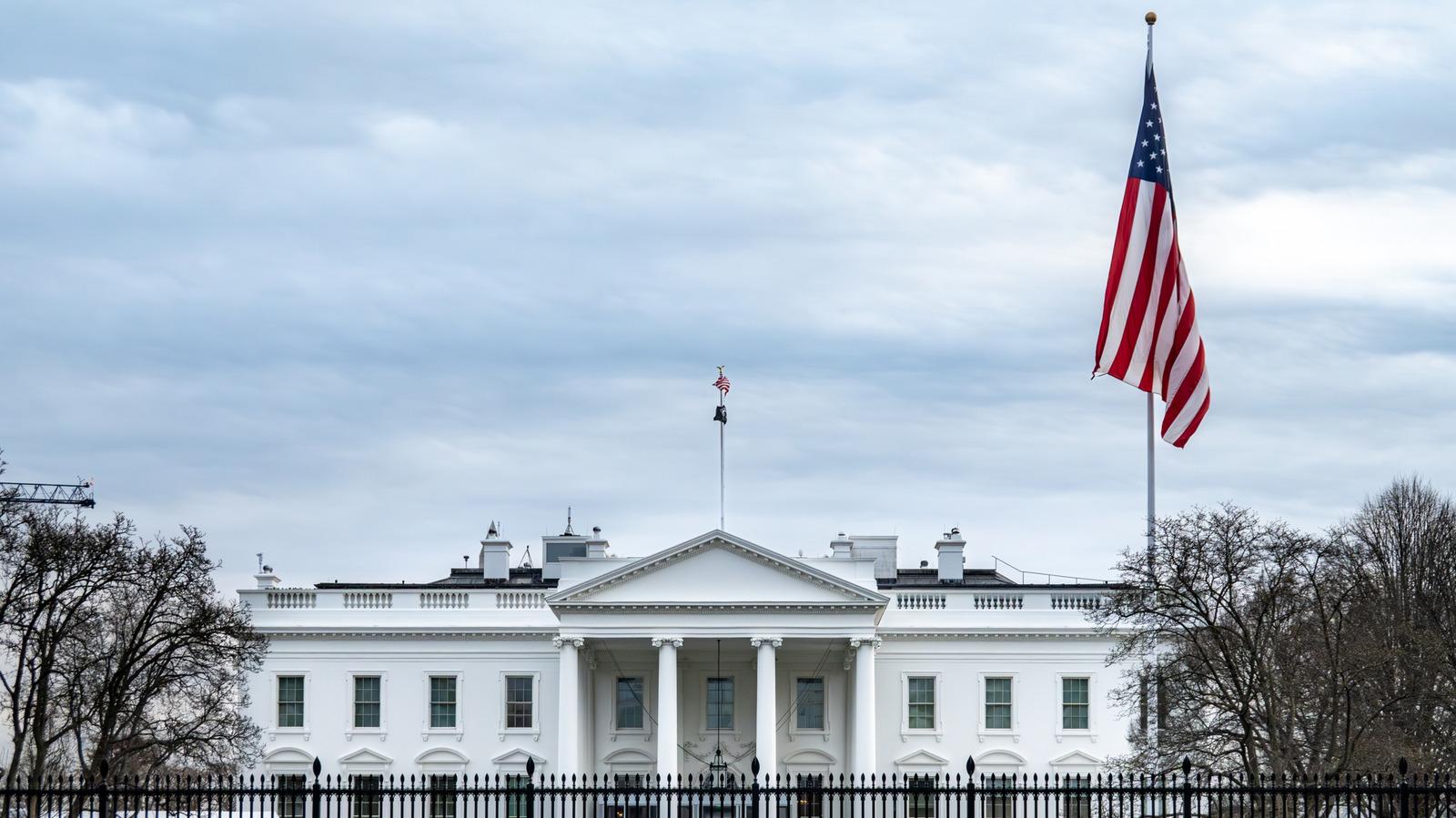
In meetings last week, White House officials told executives from Anthropic, Google and OpenAI about some of those plans, according to people briefed on the conversations.
Reuters reported the same core idea, saying U.S. President Donald Trump is considering "the introduction of government oversight over new models of artificial intelligence" and that the U.S. government is discussing an executive order to create an A.I. working group.
Mashable added that the proposed oversight procedures would include "formal review processes" for new models launching to market, and that the working group would determine which U.S. agencies would be tasked with oversight.
The discussions were described as having been held at a White House meeting last week with representatives from Anthropic, Google, and OpenAI, as Mashable reported.
Reuters also said it could not immediately verify the report, while The New York Times framed the deliberations as a reversal from the administration’s earlier hands-off approach.
From Deregulation to Review
The shift toward pre-release review is described by multiple outlets as a reversal from Trump’s earlier posture on AI regulation, including a rollback of a Biden administration regulatory process that asked developers to perform safety evaluations and report on models with potential military applications.
The New York Times wrote that Trump "swiftly rolled back a Biden administration regulatory process" that required safety evaluations and reporting, and it quoted Trump from July describing AI as "a beautiful baby that’s born" and saying, "We have to grow that baby and let that baby thrive."

The New York Times also described the administration as having promoted a hands-off approach and giving Silicon Valley free rein, while the current deliberations would impose oversight before public release.
Mashable similarly said the administration has reversed its stance on AI regulation in recent months, despite announcing a federal AI action plan that "pulled back on regulation of tech companies" and threatened to reduce federal funding for states that impeded AI infrastructure efforts through regulation.
Engadget framed the potential oversight as a reversal from the "hands-off attitude" presented in the White House’s previously introduced AI Action Plan, and it noted that the Times suggested the approach could mimic the UK’s layered oversight.
Forbes connected the reversal to a fallout between the Trump administration and Anthropic, describing the shift as occurring "after a fallout between the Trump administration and Anthropic."
Let's Data Science cited The Next Web and Tom's Guide for reporting that the proposed system could grant government agencies early access to models without necessarily blocking releases, and that discussions followed personnel changes in the White House AI policy team.
Agencies, Officials, and Companies
The deliberations include not only the creation of an AI working group but also questions about which U.S. agencies would oversee reviews, with Mashable reporting that some officials suggested the National Security Agency (NSA), the White House Office of the National Cyber Director, and the director of national intelligence take the lead.
“White house considers vetting AI Models before they are released, NYT reports _Reuters_ Published Dec 31, 0000 07:00PM ET Updated May 04, 2026 03:49PM ET”
Mashable also reported that others suggested revitalizing the Biden-era Center for A.I. Standards and Innovation, and it said the working group would determine which agencies would be tasked with oversight.
The New York Times described the working group as likely to consider a number of oversight approaches, and it said a review process could be similar to one being developed in Britain, where several government bodies ensure AI models meet safety standards.
Engadget said the Times suggested an approach that could mimic what is happening within the UK government, where multiple layers of oversight confirm that AI models meet safety standards.
Forbes added that the White House held talks with executives from Anthropic, Google and OpenAI about some of the plans under consideration, and it described the working group as featuring tech executives and government officials.
Forbes said that in February, Anthropic turned down a request from the Trump administration for unrestricted access to the AI models, and that Defense Secretary Pete Hegseth said he would designate Anthropic as a supply chain risk to national security.
Forbes further reported that Anthropic cofounder Jack Clark stated the company was in talks with the federal government about its AI model Claude Mythos, which the company claimed could exploit security flaws in "every major operating system and web browser" and warned it was too dangerous for public use.
How Outlets Frame the Same Plan
While the core reporting overlaps, the outlets emphasize different angles on what the oversight would mean and how it would operate, producing distinct frames around the same underlying idea.
The New York Times presents the deliberations as an executive-order discussion that would create an "A.I. working group" and examine oversight procedures, including "a formal government review process for new A.I. models," and it explicitly characterizes the move as a "stark reversal" from the administration’s earlier approach.
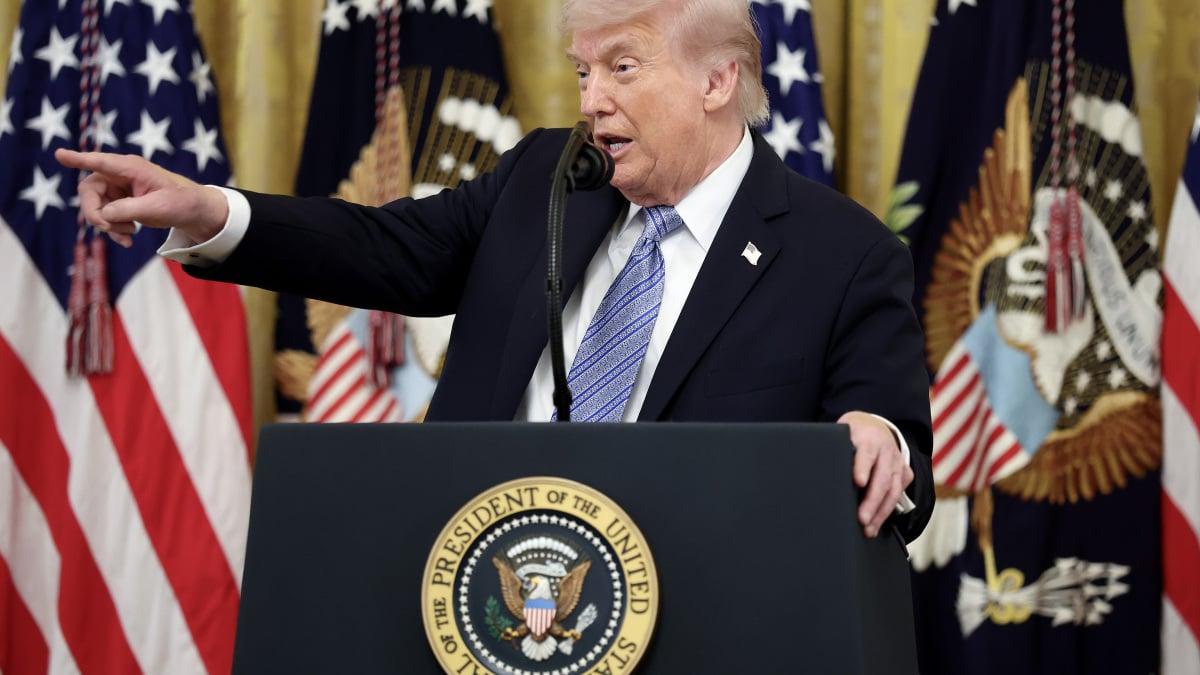
Mashable focuses on the mechanics of oversight, saying the working group would outline "potential oversight procedures" and determine which U.S. agencies would be tasked with oversight, and it adds that the plan was discussed at a White House meeting last week with representatives from Anthropic, Google, and OpenAI.
Engadget emphasizes the possibility of mimicking UK-style layered safety confirmation and also stresses uncertainty, saying there is "still a chance the entire concept fizzles and comes to nothing."
Forbes frames the reversal as tied to a specific dispute involving Anthropic and the Pentagon, describing a contract dispute in February and quoting that Defense Secretary Pete Hegseth would designate Anthropic as a supply chain risk to national security.
Let's Data Science adds a technical and implementation-oriented layer by citing reporting that the proposed system could grant agencies early access to models without necessarily blocking releases, and it also references an Office of Management and Budget memo about enabling federal agencies to get controlled access toMythos.
Reuters, by contrast, stays closer to the executive-order concept and says it could not immediately verify the report, while still stating that the U.S. government is discussing an executive order to create an A.I. working group.
Risks, Access, and Next Steps
The stakes described in the coverage center on the possibility of AI-enabled cyberattacks, the question of whether agencies would get controlled access to frontier-capability models, and how any oversight regime would interact with existing federal procurement and classified-network deployments.
“White House officials are exploring official government oversight of new AI models, according to the New York Times”
Forbes said the White House has feared possible repercussions of an AI-enabled cyberattack in recent weeks, and it tied that concern to the broader push for oversight before public release.
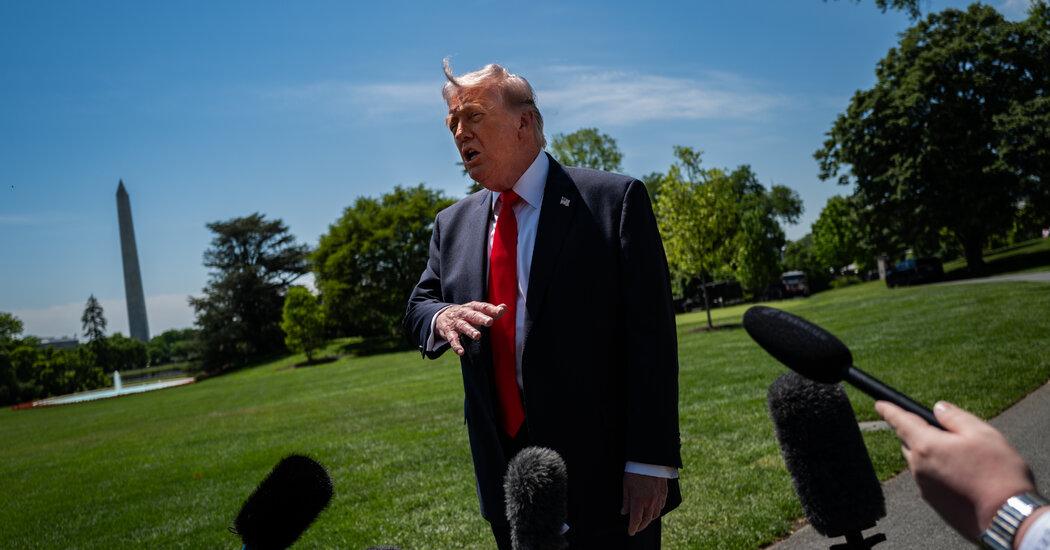
Let's Data Science described Anthropic’s Mythos as a limited-release cybersecurity model rolled out via Project Glasswing, and it said Anthropic materials or demonstrations claimed the model autonomously discovered numerous zero-day vulnerabilities across major operating systems.
It also said Forbes and Bloomberg reporting cited by Forbes described an Office of Management and Budget memo about enabling federal agencies to get controlled access toMythos.
The same outlet reported that the proposed system could grant government agencies early access to models without necessarily blocking releases, which would shift how vendors and agencies interact even if public availability continues.
Forbes added that the Pentagon last week announced agreements with OpenAI, Alphabet, Nvidia, SpaceX, Microsoft, Amazon and Reflection for their AI tools to be used on the agency’s classified networks for "lawful operational use," with the Pentagon saying AI capabilities would be integrated to "elevate situational understanding and augment warfighter decision-making."
The coverage also points to concrete policy artifacts that could follow if an executive order is issued, including the charter and membership of any AI working group and whether the review process includes binding certification or guaranteed early-access mechanisms, as Let's Data Science laid out.
More on USA

U.S. Sinks 7 Iranian Boats as Iran Launches Missiles and Drones at UAE
10 sources compared

Secret Service Officers Shoot Armed Suspect After Gunfire Near White House
27 sources compared

U.S. Sinks Six Iranian Boats, Shoots Down Missiles and Drones in Strait of Hormuz
34 sources compared

Shooting At Arcadia Lake Party Near Oklahoma City Sends At Least 10 To Hospitals
18 sources compared