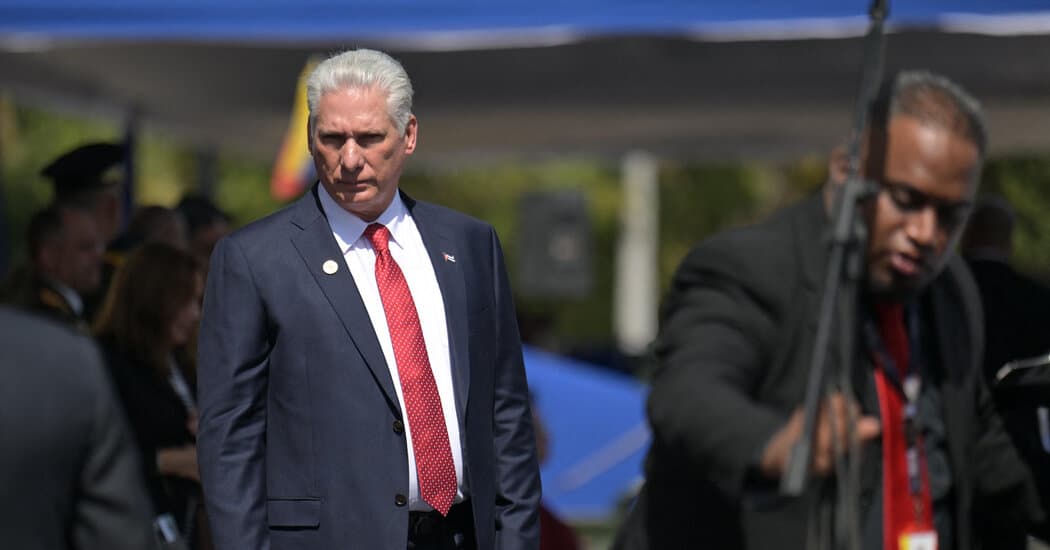
Trump Administration Demands Cuban President Díaz-Canel Step Down to Advance Negotiations.
Key Takeaways
- U.S. demanded Díaz-Canel step down to advance negotiations.
- Negotiations between the U.S. and Cuba regarding the island's future are ongoing.
- Unnamed officials familiar with the talks are cited by multiple outlets.
Negotiation Demands
The Trump administration has made clear that President Miguel Díaz-Canel must step down as a precondition for meaningful progress in ongoing negotiations between the United States and Cuba, according to multiple sources familiar with the diplomatic talks.
“As American and Cuban authorities negotiate the future of the Caribbean island governed by communists and in a grave crisis, the Donald Trump administration is trying to oust leader Miguel Díaz-Canel from power, according to four people familiar with the negotiations”
This demand represents a significant shift in U.S.-Cuba relations and comes as both countries attempt to navigate the future of the economically besieged Caribbean island nation.
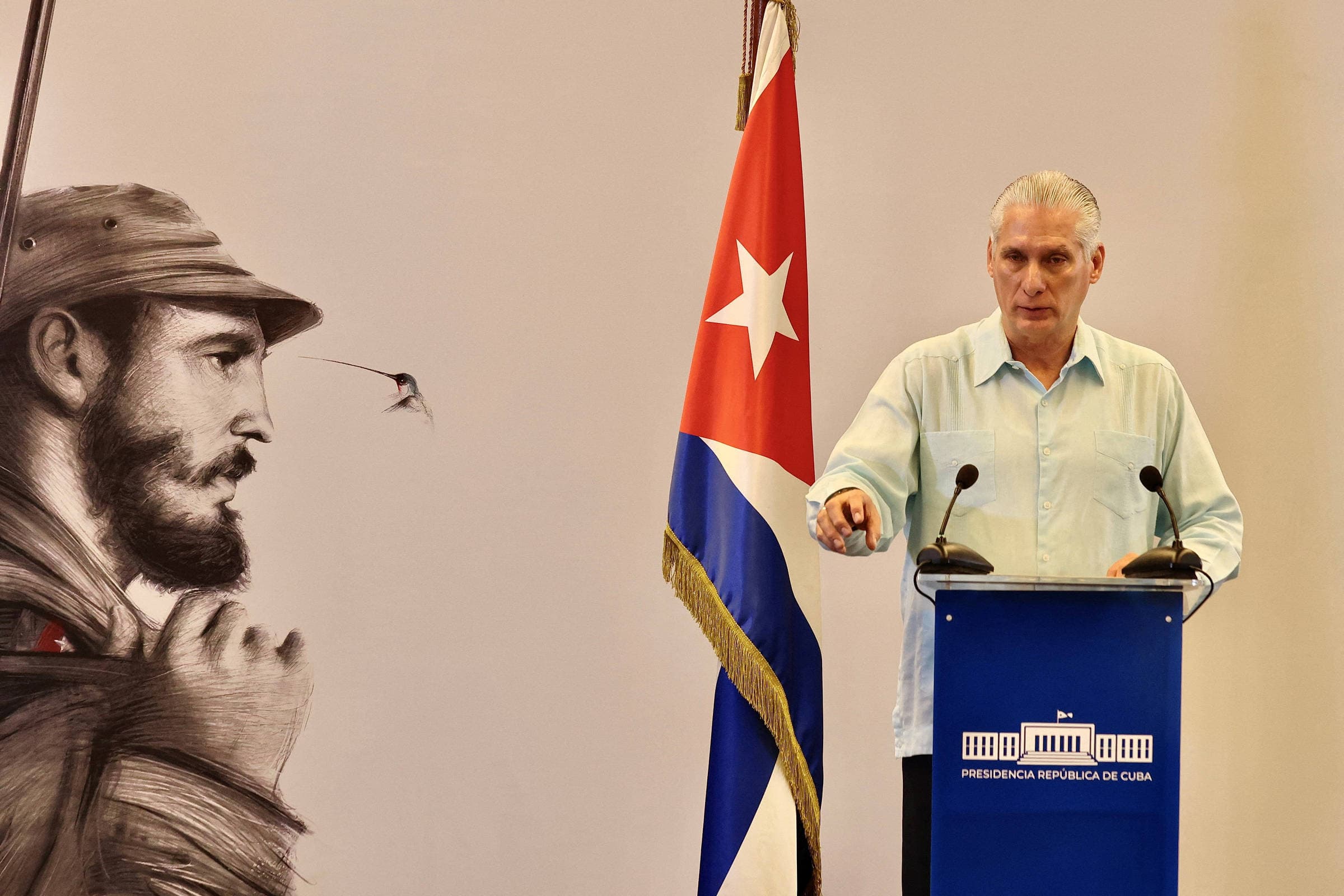
The Americans have explicitly signaled to Cuban negotiators that Díaz-Canel's removal is necessary, though they have left the specific implementation details and next steps to be determined by Cuban authorities.
This ultimatum has created a complex diplomatic situation where the U.S. seeks to leverage political change in Cuba while maintaining a strategic approach that avoids full-scale regime disruption.
Strategic Approach
The Trump administration's approach appears designed to force regime compliance rather than pursue comprehensive regime change, a strategy that would remove Díaz-Canel while preserving the broader structure of Cuba's Communist government.
This calculated approach aims to achieve specific political objectives without destabilizing the entire Cuban political system, which has been in place for over six decades.

U.S. officials believe that Díaz-Canel's removal would enable structural economic reforms that the current Cuban leadership, characterized as hard-liners, has been unwilling to implement.
The administration views this targeted approach as more pragmatic and achievable than attempting to dismantle the entire Cuban political apparatus, which could lead to greater instability and uncertainty in the region.
Power Dynamics
Despite the push for Díaz-Canel's removal, the Trump administration has notably avoided seeking action against members of the Castro family, who continue to wield significant influence within Cuba's power structure.
“Cuba’s EconomicCrisis Advertisement Supported by The United States has told Cuba that for meaningful progress to be made in negotiations, President Miguel Díaz-Canel must step down, said people familiar with the talks”
Raúl Castro, aged 94 and brother of the late Fidel Castro, remains a key power broker behind the scenes, suggesting that the real decision-making authority in Cuba may not rest with the presidency.
This careful approach indicates that while the U.S. wants to see changes at the visible leadership level, it recognizes the complex power dynamics and is unwilling to challenge the core of Cuba's ruling establishment.
The administration's strategy reflects an understanding that symbolic changes at the top may be more achievable than confronting the deeply entrenched power networks that have controlled Cuban politics for generations.
Symbolic Victory
Díaz-Canel's potential removal would provide President Trump with a significant symbolic victory that could be used to showcase his administration's foreign policy achievements, particularly to the American public.
Sources indicate that Trump could frame such a development as another successful effort to topple a leftist government opposed to the United States, similar to how his administration handled the situation in Venezuela.
This symbolic win would allow Trump to claim credit for bringing down the leader of a government that has long been adversarial to U.S. interests, potentially boosting his political standing among certain voter demographics.
However, while such a move might satisfy Trump's desire for visible foreign policy successes, it may fall short of the more comprehensive political transformation that many Cuban exiles in the United States have been demanding for decades.
Economic Strategy
Beyond the political demands, the Trump administration's negotiations with Cuba appear to focus on gradually opening the Cuban economy to American business interests while seeking symbolic political victories that can be presented to domestic audiences.
“The Cuban diaspora will be able to invest in and own businesses in Cuba, Havana announced on Monday, which is in talks with the United States”
U.S. negotiators are reportedly pressing Havana to remove older officials still loyal to Fidel Castro's revolutionary ideology and to release political prisoners, long-standing American objectives.
However, the broader strategy seems geared toward transforming Cuba into a more economically accessible market for American companies, potentially positioning the island as a strategic economic partner.
This dual approach of seeking economic integration while demanding limited political concessions reflects the administration's pragmatic foreign policy approach, where economic interests and symbolic political wins are pursued simultaneously rather than comprehensive systemic change.
Leadership Context
Miguel Díaz-Canel, who has served as Cuba's president since 2018 and also chairs the Communist Party, represents a unique position in Cuban political history as the first non-Castro leader to govern the country since the 1959 revolution.
At 65 years old, he still has two years remaining in his current presidential term.
Díaz-Canel's background as a former vice president and regional party leader led to his selection as Raúl Castro's hand-picked successor, suggesting that his rise to power was carefully planned within the existing political structure.
Despite his formal leadership position, many observers and sources describe Díaz-Canel as largely a decorative figure who exercises limited real political or economic control in Cuba, with the true power remaining concentrated among the Castro family and other revolutionary-era officials.
His leadership has coincided with Cuba's largest protests in decades, which occurred in July 2021, highlighting the ongoing challenges facing the island nation's governance and economic stability.
More on USA
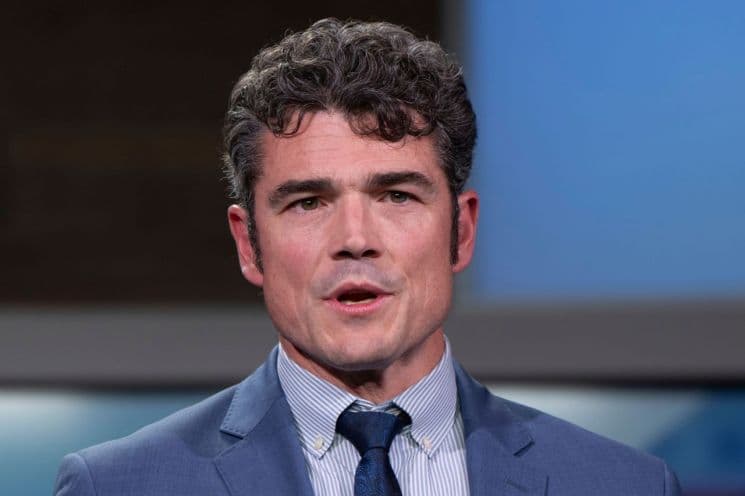
FBI investigates Joe Kent, former National Counterterrorism Center director, for allegedly leaking classified information.
81 sources compared

Lt. Gov. Juliana Stratton Wins Illinois Democratic Senate Primary to Replace Durbin
171 sources compared

Senators Grill Mullin Over DHS Nomination as Intel Officials Testify on Top Threats
91 sources compared

César Chávez Faces Sexual Abuse Allegations, Including Rape of Dolores Huerta and Other Survivors
34 sources compared