South America24 November, 20254 min read
Trump Administration Designates Nicolás Maduro And Venezuelan Military Leaders As Members Of 'Cartel de los Soles' Terror Organization
This article is an automated aggregation of coverage from news outlets. Our editorials offer in-depth analysis curated by the NewsCord team.
U.S. designated the Cartel de los Soles as a foreign terrorist organization Designation specifically lists Nicolás Maduro and senior Venezuelan military and government officials

17 outlets told this the same way.
Outlets did split on Alexandre de Moraes Orders Eduardo Bolsonaro Arrest, Cancels Passport, Enforces Four-Year Sentence →
U.S. labels Maduro group
The Trump administration moved to label Venezuelan President Nicolás Maduro and senior military figures as members of the "Cartel de los Soles," formally treating the phenomenon as a foreign terrorist organization in a major escalation of U.S. pressure on Caracas.
“The Trump administration on Nov. 16 designated Venezuelan President Nicolás Maduro and his allies as members of a foreign terrorist organization under the label ‘Cartel de the Soles.’”
CNN reported that the Trump administration on Nov. 16 designated Venezuelan President Nicolás Maduro and his allies as members of a foreign terrorist organization under the label "Cartel de los Soles."

Al Jazeera stated that the U.S. on Nov. 16 labeled the so-called "Cartel de los Soles" — a term Venezuelans use for corrupt officials — as a foreign terrorist organization.
The Straits Times described the move as designating Venezuela's alleged "Cartel de los Soles" as a Specially Designated Global Terrorist (SDGT) group.
Other outlets place the formalization at slightly different dates but agree on the core escalation.
Evrim Ağacı wrote that on Nov. 24, 2025 the Trump administration would formally designate the Cartel de los Soles as a foreign terrorist organization, calling it a dramatic escalation.
Legal and practical effects
The designation carries legal and practical punishments: it freezes U.S. assets, generally bars Americans from dealings, criminalizes material support, and is described by some outlets as expanding U.S. counterterrorism tools. The Straits Times says the move 'freezes any U.S. assets tied to it and generally bars Americans from dealing with it.' Al Jazeera notes the designation 'expands U.S. powers by criminalizing support, barring representatives from the U.S., making funding a crime and likely deterring foreign firms from dealing with the Venezuelan state.'
CNN quotes legal experts saying the label 'does not explicitly authorize the use of lethal force.' Administration officials argue the label 'expands U.S. military options,' and Defense Secretary Pete Hegseth warned the new designations create 'a whole bunch of new options,' adding that 'nothing is off the table.'
Cartel de Soles overview
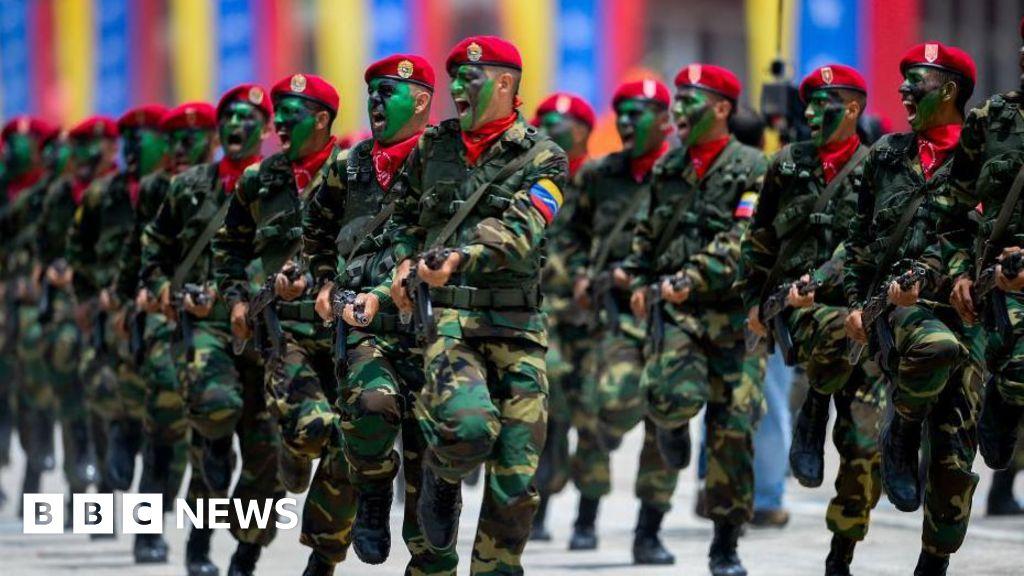
Reporting across outlets stresses that the term 'Cartel de los Soles' is not widely agreed to denote a single, tightly ordered cartel run personally by Maduro, but rather is used to describe networks of corrupt military and political actors who benefit from illicit trafficking. CNN characterizes the label as 'more a descriptor for allegedly corrupt elements within Venezuela’s armed forces than a conventional organized‑crime group,' reflecting expert views. SSBCrack News similarly reports that experts say the phrase more accurately describes a loose network of corrupt officials than a formal hierarchical group.
“The label — which experts say is more a descriptor for allegedly corrupt elements within Venezuela’s armed forces than a conventional organized‑crime group — allows the U.S. to impose new sanctions on Maduro’s assets and infrastructure and is one of the State Department’s most serious counterterrorism tools.”
Evrim Ağacı frames the term as an 'umbrella term for networks of military, police and government officials.' At the same time, U.S. indictments and Treasury actions, noted by Evrim Ağacı and NPR, have alleged conspiracies involving Maduro and senior officials, indicating the U.S. criminal‑justice case is part of the rationale for the designation.
Reactions to Venezuela designation
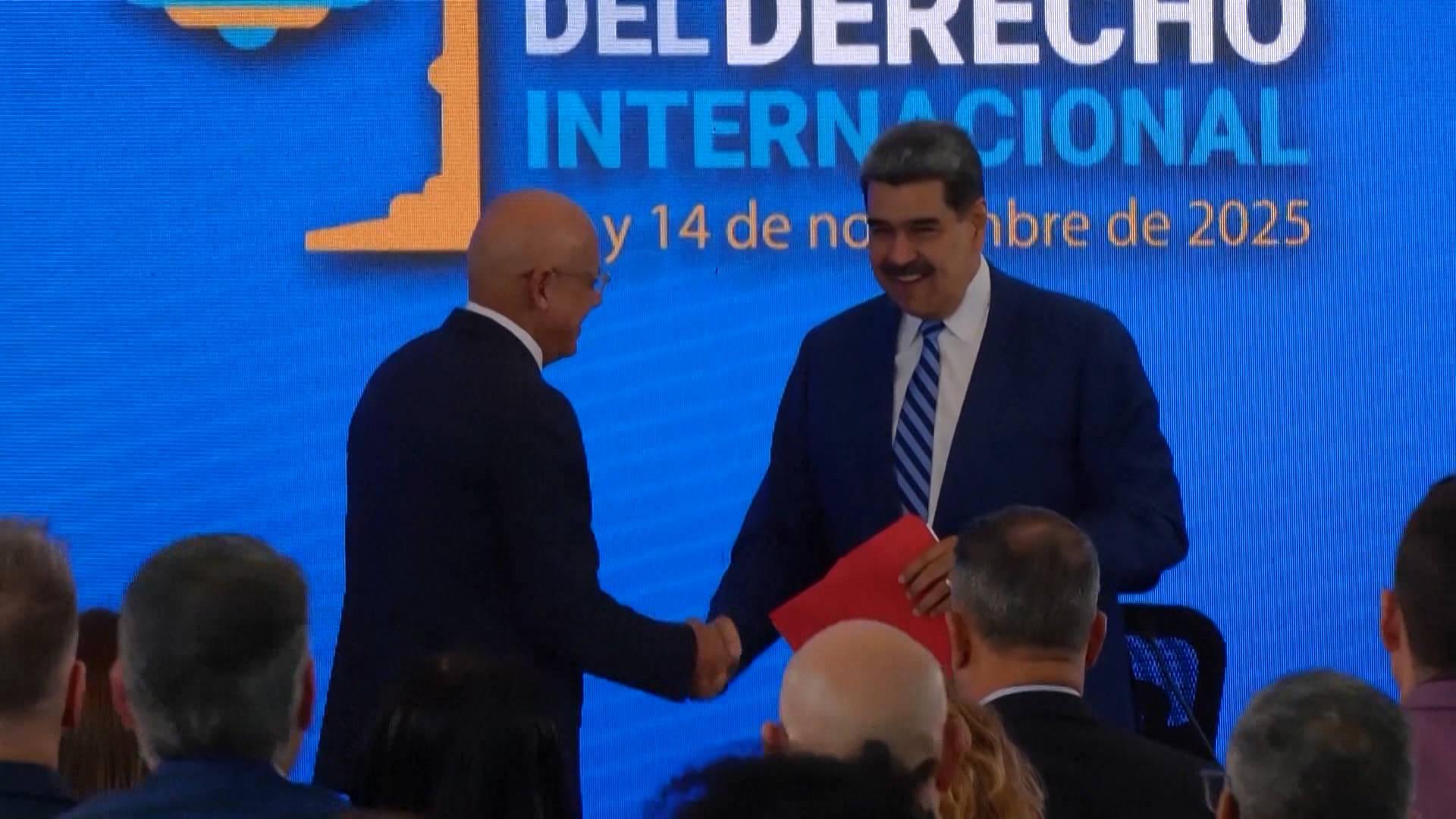
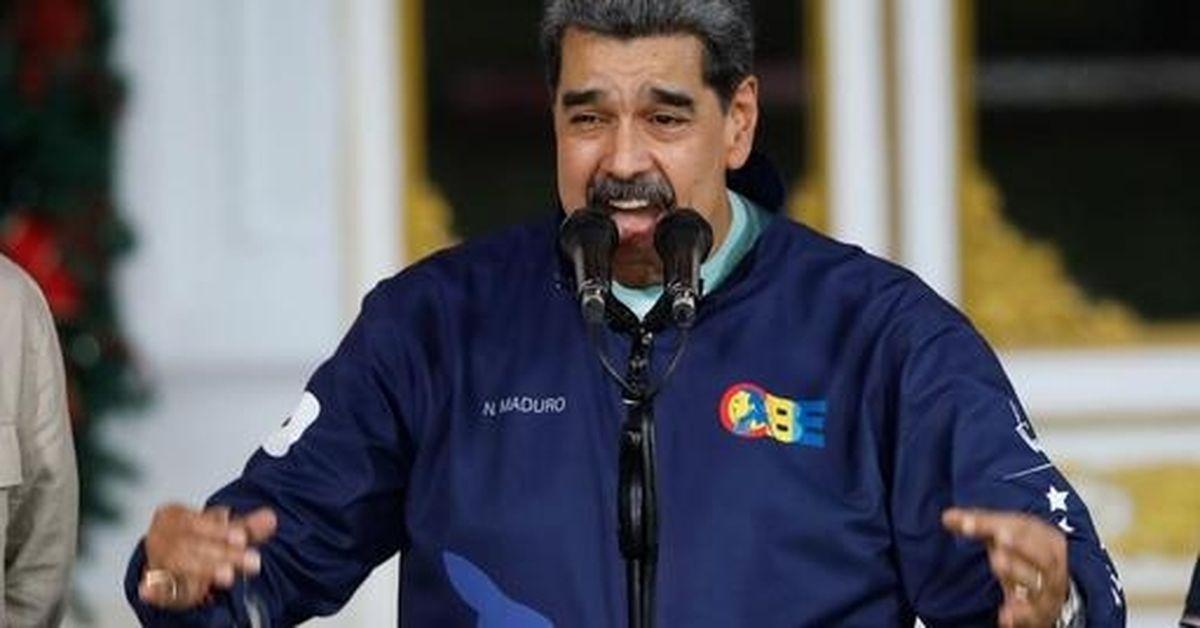
Reactions inside Venezuela and in U.S. politics diverge sharply. Caracas uniformly rejected the designation. NPR reports Maduro denies U.S. accusations, calling them a politically motivated 'false drug-trafficking' narrative.
The Straits Times says the government denied involvement and called the designation fabricated and a U.S. regime-change pretext. Al Jazeera records Caracas calling the move a 'ridiculous lie'. By contrast, U.S. officials and some opposition figures view the designation as added pressure that could weaken Maduro's hold.
SSBCrack News notes the arrival of U.S. naval vessels has bolstered opposition hopes of forcing Maduro from power and heightened tensions. Democracy Now! and NTD News emphasize concerns about escalation, questioning transparency and warning of covert or overt military steps.
Reports on U.S. military activity
Alongside diplomatic and legal moves, several outlets describe an increased U.S. military presence and recent strikes in the Caribbean and near Venezuelan waters.
“Reuters reports the U.S. is weighing a new phase of covert operations in Venezuela — a potential escalation coming after recent U.S. airstrikes on suspected drug boats that have killed more than 80 people.”
CNN reports the Pentagon has deployed more than a dozen warships and about 15,000 troops to the region for Operation Southern Spear, and U.S. forces have conducted boat strikes that killed dozens in anti‑drug operations.
Democracy Now! and Evrim Ağacı report U.S. airstrikes on suspected drug boats have killed more than 80 people, and Democracy Now! adds that six airlines have canceled flights to Venezuela amid warnings of heightened military activity.
However, SSBCrack News cautions that claims the U.S. used military actions in the Caribbean to disrupt shipments have not been substantiated with specific evidence, highlighting disagreement across reporting about what has been conclusively proven.
NTD News and other outlets note deployments such as the carrier USS Gerald R. Ford and lawmakers' questions about transparency.