USA17 November, 20252 min read
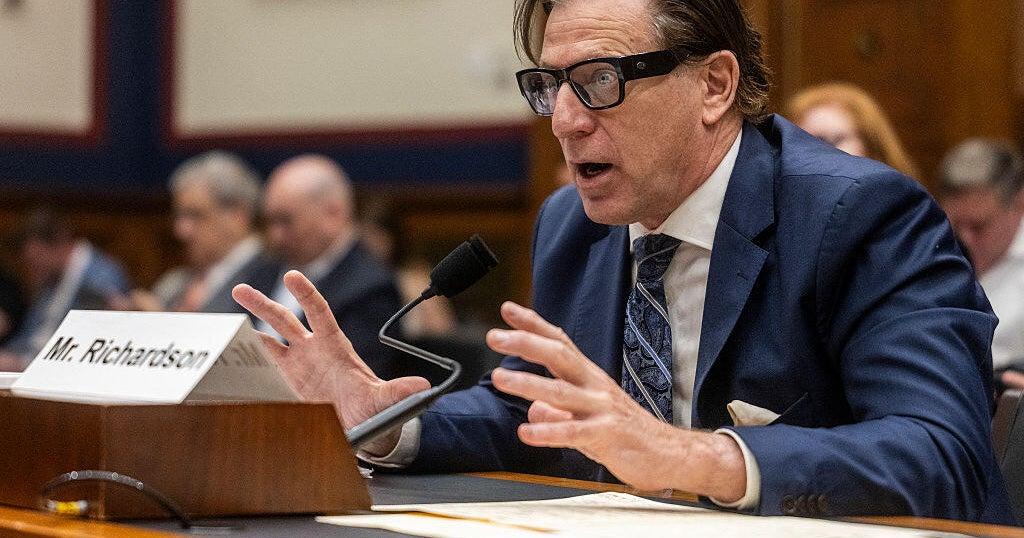
Trump Administration Forces Acting FEMA Chief David Richardson to Resign Amid Ongoing Hurricane Season
David Richardson resigned after roughly six months as acting FEMA administrator Resignation occurs while the Atlantic hurricane season is underway

21 outlets told this the same way.
Outlets did split on Trump Interrupted by Protesters at San Antonio Rally for Ken Paxton →
FEMA leadership change
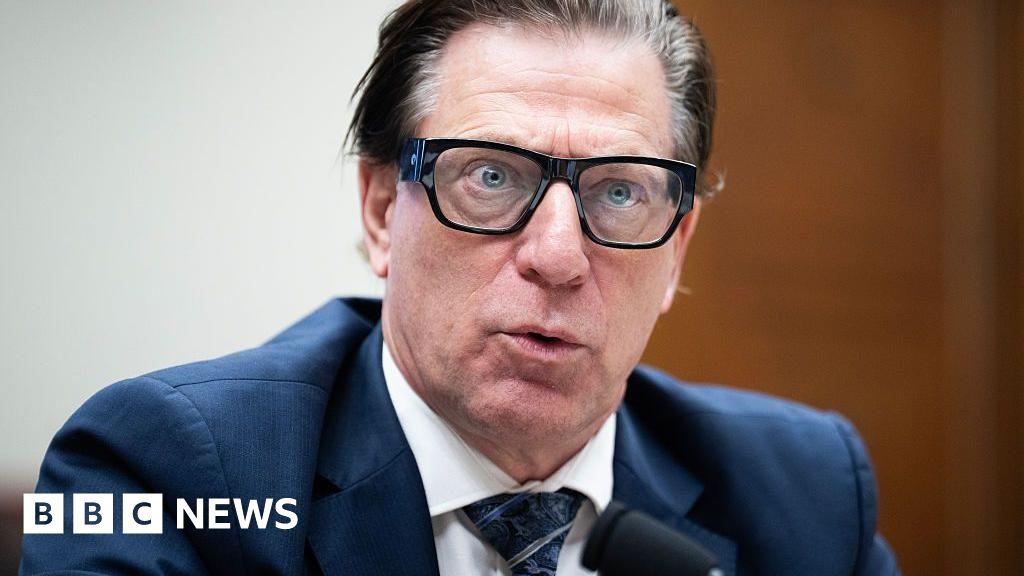
David Richardson resigned as acting head of the Federal Emergency Management Agency after roughly six months in the job, a departure announced by the Department of Homeland Security and reported across U.S. and international outlets.
“David Richardson, the acting head of FEMA, is stepping down after six months on the job, the Department of Homeland Security announced.”
Multiple reports say Richardson notified DHS that he would step down in the coming weeks and that FEMA chief of staff Karen Evans will assume leadership on Dec. 1.

Coverage places the exit squarely amid the Atlantic hurricane season and a broader White House push to reshape FEMA’s role and budget.
Richardson's flood controversy
Coverage cites controversy over Richardson's visibility and conduct during July's devastating central Texas floods as a central factor in criticism of his tenure. Reports say Richardson was criticized for keeping a low public profile during the floods that killed well over a hundred people.
He was also reported to have been difficult to reach for periods while the storm response was underway. Colleagues found baffling a June remark in which he said he was not aware the U.S. has a hurricane season.

FEMA leadership and reform
Reporting highlights deeper institutional strains beyond the immediate controversies. Observers note large staff departures since January and questions about FEMA's future role under the Trump administration. A planned FEMA Review Council–led overhaul is reportedly in the works.
“FEMA’s senior official Bob Richardson resigned after overseeing the agency through the 2025 hurricane season, securing historic disaster funding for states including North Carolina, Texas, Florida, New Mexico and Alaska and conducting an internal review that his office says cut waste and refocused FEMA on rapid response.”
Some outlets and DHS statements say Richardson oversaw disaster funding and led an internal review aimed at streamlining FEMA. Other reports contend his authority had been diminished and that the administration is seeking to shrink or reassign FEMA responsibilities to states.
FEMA leadership transition
DHS has named FEMA chief of staff Karen Evans to become acting administrator starting Dec. 1.
The administration expects to use the FEMA Review Council's work to inform a fundamental restructure of the agency.
Reporting notes debate over Evans's qualifications.
Observers question whether the move signals continuity with the administration's cost-cutting agenda or is simply procedural succession.
Reporting on disaster leadership
The reporting mix leaves unresolved questions about accountability, timing, and the operational impact of leadership turnover during an active hurricane season. Coverage varies in reliability and completeness, with several outlets focusing on policy and personnel context.
“Media coverage says the Trump administration had been preparing to remove him, and his exit fuels debate over FEMA’s direction and emergency-response capacity.”
A few 'Other' snippets did not include full article text or asked readers to supply the article, highlighting uneven availability of reporting. Taken together, sources show both institutional achievements claimed by DHS and deep concerns among reporters and staffers about accessibility, preparedness, and the direction of FEMA under the current administration.