USA07 January, 20262 min read
Trump Administration Forces Citizens of 25 More Countries to Post $15,000 Visa Bonds
This article is an automated aggregation of coverage from news outlets. Our editorials offer in-depth analysis curated by the NewsCord team.
State Department added 25 countries, bringing visa-bond pilot to 38 nations. Nationals may be required to post refundable bonds up to $15,000 for B1/B2 visas.

16 outlets told this the same way.
Outlets did split on Trump Interrupted by Protesters at San Antonio Rally for Ken Paxton →
U.S. visa bond expansion
The Trump administration’s State Department expanded a visa-bond pilot by adding 25 countries, bringing the list to 38 nations whose B1/B2 applicants may be required to post refundable bonds of $5,000 to $15,000.
“Beginning January 21, 2026, travelers from those countries may be required to post bonds ranging from $5,000 to $15,000 when applying for a U.S. visa.”
Multiple outlets reported the additions and bond amounts, and several placed the effective date near Jan. 21 (some naming 2026).
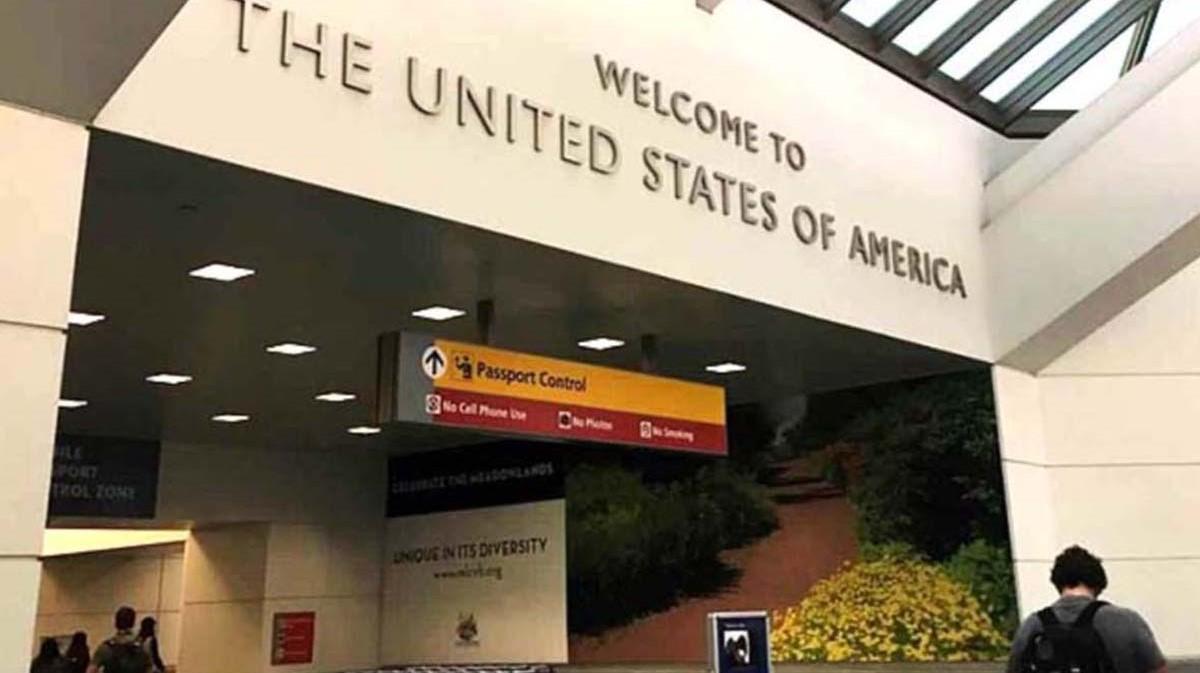
Officials say the bond is intended to reduce overstays.
Agencies emphasize that payment does not guarantee a visa and that refunds are available if a visa is denied or the traveler complies with terms.
Critics warn the fees will make visas unaffordable or effectively bar many applicants from poorer countries.
New country listings
The new additions are concentrated in Africa, with several countries in Latin America, the Caribbean and Asia among the latest entries; multiple outlets list overlapping country examples. Folha de S.Paulo and The Whistler provide detailed lists and examples, naming countries such as Bangladesh, Cuba, Nepal, Nigeria, Senegal, Uganda, Venezuela and Zimbabwe.
Eastleigh Voice and Just News BD highlight Asian additions like Bangladesh, Kyrgyzstan and Tajikistan. Some regional outlets emphasize the local significance for listed nations.

Reactions to U.S. visa bond
U.S. officials uniformly frame the bond as an enforcement measure to reduce visa overstays, and several outlets quote that defense. Critics and regional commentators emphasize hardship and deterrence, with reporters and analysts saying the fee levels are likely to block many would-be visitors. Time highlights the economic angle by comparing bond amounts to average monthly earnings in many affected countries, while WION and The Hindu foreground critics' warnings that the policy makes visas unaffordable.
“Critics note the high amounts are likely deterrents given low incomes in many affected countries: for 29 of the 38 nations with available data, average monthly earnings are about $675.”
Visa bond requirements
Multiple outlets note that consular officers set bond levels (commonly $5,000, $10,000 or $15,000) during the visa interview. Paying a bond does not guarantee visa approval, and refunds are issued following denials or lawful departure.
Sources such as Eastleigh Voice and The Whistler warn applicants to pay fees only through official channels and emphasize that the bond is returned if the holder complies with visa conditions. Other outlets highlight procedural details and exceptions in the pilot, while some local reports simplify the requirement as a flat $15,000 demand.
Coverage tones and framing
Coverage differs in tone and local framing. Western mainstream outlets such as Time and Fox News stress enforcement balance and include data showing economic effects. Asian and local outlets like The Hindu, The Indian Express, and Just News BD highlight unaffordability and broader measures that tighten entry.
“Most of the newest additions are in Africa, with others in Asia and South America, including Venezuela and Cuba.”
Regional outlets such as Folha and TRT Afrika emphasize impacted countries and policy context in Latin America and Africa. A few pieces introduce unique or uncorroborated details, for example The Indian Express’s reference to Nicolás Maduro being seized, which are absent elsewhere. Overall, the sources jointly document the expansion while diverging on emphasis, level of detail, and occasional factual assertions.