USA09 November, 20252 min read
Trump Administration Forces States to Revoke SNAP Food Benefits for 42 Million Americans
Trump administration ordered states to reverse full SNAP benefits paid under court orders. The U.S. Supreme Court stayed lower court rulings requiring full SNAP payments for November.
31 outlets told this the same way.
Outlets did split on Trump Interrupted by Protesters at San Antonio Rally for Ken Paxton →
USDA SNAP Payment Reversal
After the U.S. Supreme Court temporarily stayed lower-court rulings that had forced full November SNAP payouts, the Trump administration directed states to undo those disbursements, labeling them “unauthorized.”
“The Trump administration is demanding that states reverse the full SNAP (Supplemental Nutrition Assistance Program) benefits distributed last week under court orders, following a U.S. Supreme Court stay on those rulings.”
The U.S. Department of Agriculture warned that any full payments issued under prior court orders “must be undone immediately,” and states could face penalties for noncompliance.

Several outlets report that a USDA memo instructed agencies not to send full-payment files to EBT processors and to reverse steps already taken.
The stakes are enormous: SNAP serves roughly 42 million Americans, and some states had already released full benefits when the stay arrived.

Legal Dispute Over Benefit Payments
The legal fight escalated quickly. Lower courts had ruled the administration must use additional resources to pay full November benefits, with some decisions ordering use of emergency funds to cover the nearly $9 billion monthly cost.
The administration pushed back, favoring partial payments of about 65% and seeking appellate relief. While the First Circuit denied an emergency injunction according to one report, Supreme Court Justice Ketanji Brown Jackson temporarily paused the full-payment orders while the Court reviews the appeal—creating a window in which USDA told states to reverse full disbursements.
State Responses to Federal Reimbursement Demands
States reacted unevenly as the federal message changed frequently. Over two dozen states warned of severe financial and operational disruptions if Washington refused reimbursement for full benefits already sent. Wisconsin, which paid out to roughly 700,000 residents, became a flashpoint.
“More than two dozen states have warned that if the federal government does not reimburse them for benefits already provided, they will encounter significant financial and operational difficulties.”
Governor Tony Evers rejected the USDA’s demand to claw back payments, citing court orders and prior federal assurances. Some officials publicly criticized the directive and signaled readiness to resist efforts to reclaim funds.
USDA SNAP Payment Directive
USDA’s operational directive was unusually detailed. Mediaite reports the memo instructed regional SNAP directors not to distribute full benefits and to refrain from sending full payment files to EBT processors. The memo also required undoing steps that had already been taken.
AP and KUTV highlight the warning of penalties for noncompliance and describe the full November disbursements as unauthorized. WRIC points out a key uncertainty regarding how this directive impacts states using their own funds compared to federal money. Other outlets note that the Supreme Court’s stay allowed the administration to temporarily withhold billions as litigation continues.

SNAP Program Challenges
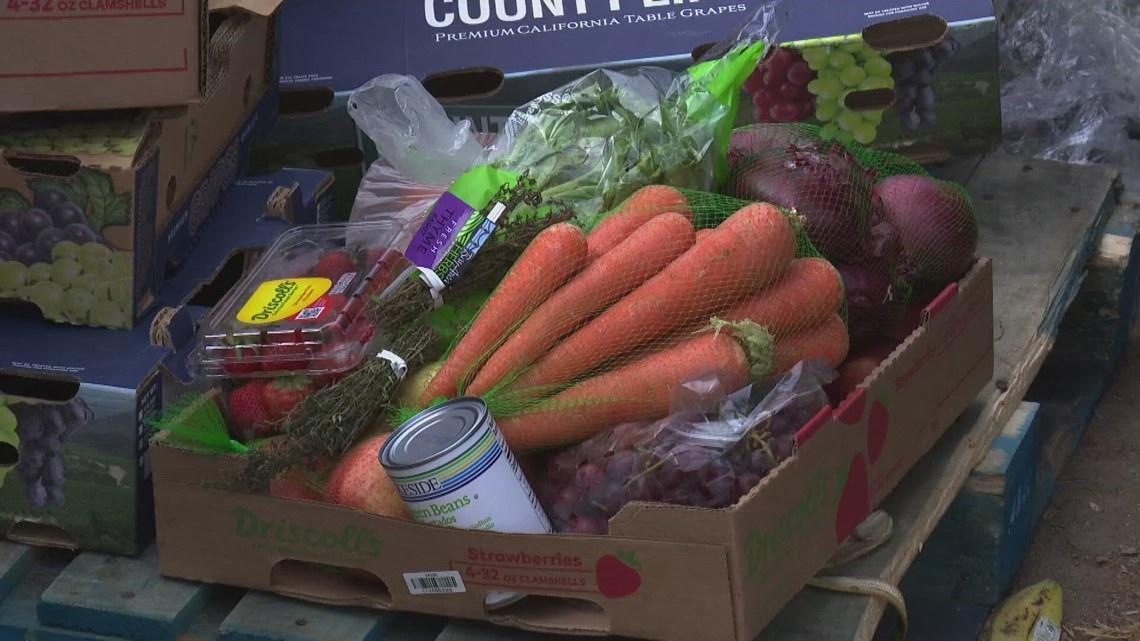
Behind the legal fight is a grinding shutdown and mounting hardship. Outlets note SNAP supports one in eight Americans, with an average of about $332 per household monthly. Disruptions have fueled food bank demand.
“SNAP, which supports about one in eight Americans and costs nearly $9 billion monthly, faced a funding shortfall due to a government shutdown.”
Some state and local governments used emergency funds to plug gaps or help residents directly. Coverage also points to political stalemate and escalating criticism.
Some describe the administration as refusing reimbursements and creating unnecessary hardship. Others spotlight the congressional impasse prolonging the crisis.