USA06 January, 20262 min read
Trump Administration Freezes $10 Billion in Child Care and Social Services Funding for Five Democratic States
Administration froze over $10 billion in federal child-care and social-services funding Freeze targets California, Colorado, Illinois, Minnesota and New York

13 outlets told this the same way.
Outlets did split on Trump Interrupted by Protesters at San Antonio Rally for Ken Paxton →
Federal funding freeze summary
The Trump administration announced a freeze on more than $10 billion in federal child-care and social-service funds to five Democratic-led states: California, Colorado, Illinois, Minnesota and New York. The freeze targets three programs: Temporary Assistance for Needy Families (TANF), the Child Care and Development Fund (CCDF) and the Social Services Block Grant (SSBG).
“The Trump administration is freezing about $10 billion in federal social-service and child-care funds for five Democratic-led states — California, Colorado, Illinois, Minnesota and New York — Health and Human Services confirmed after the New York Post first reported it.”
Officials and outlets provide slightly different totals but consistently describe the pause as roughly $7 billion in TANF funding, about $2–2.4 billion in CCDF dollars, and roughly $869–870 million in SSBG funds. The pause was confirmed by the Department of Health and Human Services and reported by CNN, CBS News and Benzinga, which noted that the New York Post and The New York Times were among the early reporters.

Federal funds freeze dispute
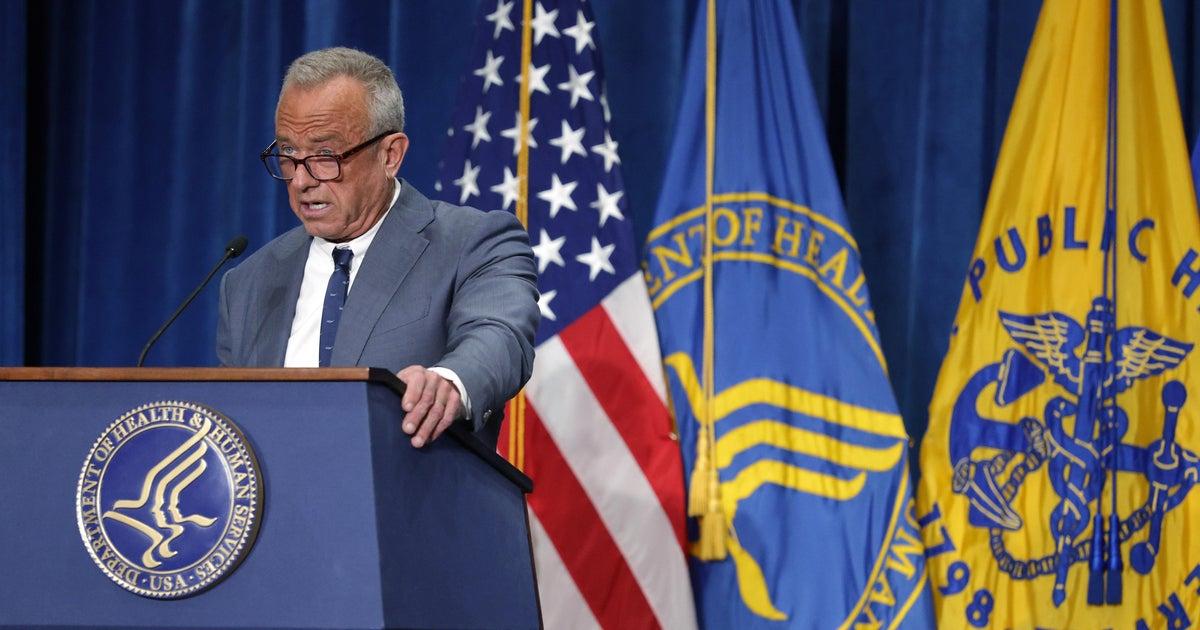
Health and Human Services and administration officials framed the holds as steps to prevent and investigate alleged misuse of federal funds, saying the freezes are intended to 'protect taxpayer dollars' and ensure compliance with federal law. HHS officials explicitly accused Democratic governors of allowing widespread fraud in some reporting.
Several outlets note that HHS has not publicly released evidence of widespread fraud in four of the five states. Some coverage highlights prior audit findings in specific places such as New York City.
Minnesota child-care controversy
The administration's move follows a high-profile pause of Minnesota's child-care funding that was prompted by a viral video and has led to federal and state probes. Coverage diverges on how convincing the Minnesota evidence is. Some outlets note a viral YouTube video that purported to show empty centers or other problems, while others report investigators found the Minnesota facilities operating as expected and emphasize that allegations so far have limited public evidence.
“The action follows a recent pause in Minnesota child-care funding after a viral YouTube video by 23-year-old Nick Shirley alleged, with little evidence, fraud at Somali-run centers; federal and state investigations and increased DHS/FBI activity in Minnesota are ongoing.”
Responses to funding hold
Reactions and political context vary across coverage. Some outlets and political figures portray the hold as punitive or politically motivated and warn it will harm low-income families. Others frame the hold as necessary oversight.
Senator Kirsten Gillibrand called the action 'immoral' and 'political retribution' in one report. Local reporting stressed that pausing funds could jeopardize programs serving hundreds of thousands of families. Administration officials and HHS describe the move as ensuring legitimate use of taxpayer dollars.
Media framing of payment freeze
Across outlets the reporting shows clear differences in tone, sourcing and which facts are emphasized. Western mainstream outlets (CNN, CBS, Benzinga) stress the amounts and official HHS statements while also noting limited public evidence. Local and other outlets (KRDO, tippinsights, Букви) underscore immediate effects on families and the administration’s accusations.
“The Trump administration is freezing about $10 billion in federal social-service and child-care funds for five Democratic-led states...”
Several sources (livemint, Benzinga, news.meaww) highlight specific audit or OIG findings and the viral Minnesota video as context. The result is a patchwork narrative where the core fact — a multi-billion-dollar freeze affecting five states — is consistent. The portrayal, however, ranges from an enforcement action responding to past audits to a politically charged pause with contested evidence.