Trump Administration Freezes SNAP Food Aid Amid Government Shutdown, Forcing Millions to Face Hunger

Trump Administration Freezes SNAP Food Aid Amid Government Shutdown, Forcing Millions to Face Hunger

08 November, 202513 sources compared
USA

Key Points from 13 News Sources

  1. 1

    Trump administration seeks Supreme Court to maintain frozen SNAP food aid payments.

  2. 2

    Trump orders DOJ investigation into major meatpackers for alleged price fixing and collusion.

  3. 3

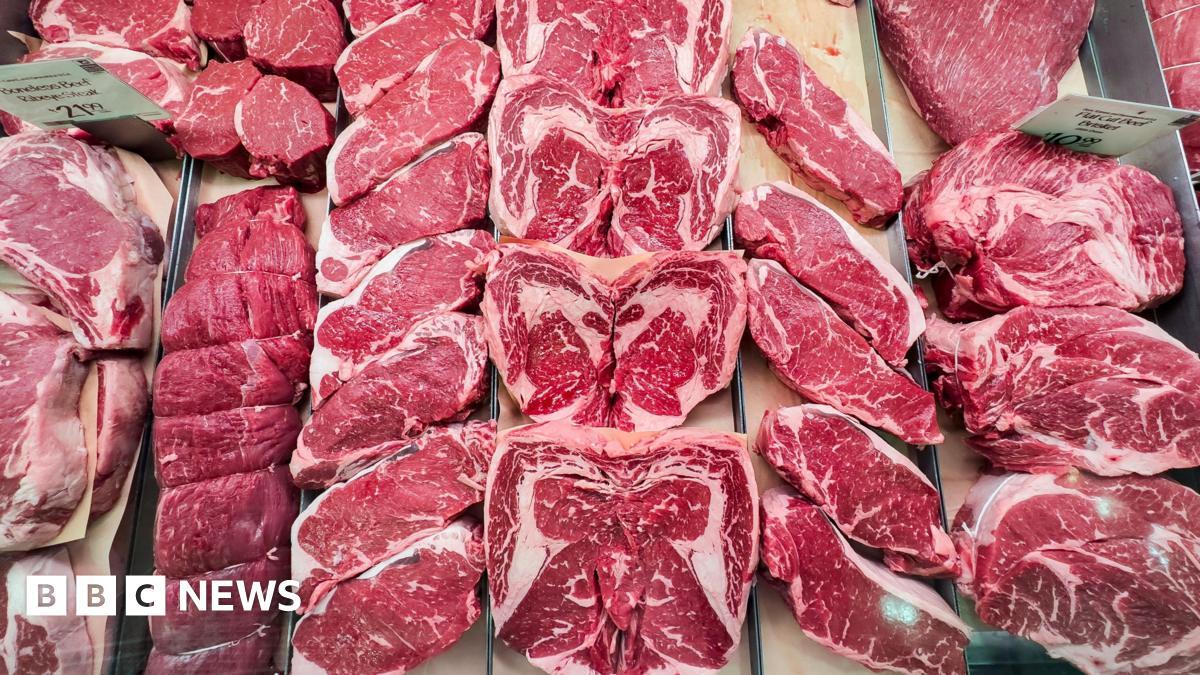
    U.S. cattle inventories are at a 70-year low, contributing to rising beef prices.

Full Analysis Summary

US Food Aid Program Dispute

The Trump administration asked the US Supreme Court to allow it to keep full payments in the SNAP food aid program frozen during the government shutdown.

Lower courts had ordered that payments continue despite the shutdown.

The SNAP program assists about 42 million Americans.

Both sources emphasize that families are struggling to afford food as the shutdown continues.

A ruling on the matter is expected imminently, described as "soon" by one outlet and "on Tuesday" by another.

Separate reports highlight surging food costs and alleged manipulation in meat markets, which reflect a broader cost-of-living issue.

However, those reports focus on different issues than the SNAP program.

Coverage Differences

Tone/Narrative

Associated Press (Western Mainstream) frames the administration’s move as a legal maneuver for a "temporary halt" during an "ongoing" shutdown, while Orange County Register (Local Western) emphasizes defiance of lower court orders and the human toll, noting many beneficiaries are "struggling to afford food." AP also highlights the procedural posture (“lower courts have ruled … the administration is seeking a temporary halt”), whereas OC Register leans into the impact language and specificity around the expected ruling day.

Missed information/Off-topic coverage

BBC (Western Mainstream) and WRAL (Local Western) focus on meat price spikes, antitrust probes, and alleged collusion in the meatpacking industry, not on the SNAP freeze. Their reporting situates food affordability within price dynamics and corporate conduct rather than the immediate legal fight over SNAP payments.

SNAP Payment Freeze Legal Battle

Legally, the case turns on whether the administration can pause full SNAP payments despite lower-court rulings that they must continue.

The administration is asking the Supreme Court to permit a freeze while the shutdown persists.

Coverage differs on timing: one outlet says a ruling is expected "soon," while another specifies "Tuesday."

The stakes are high because freezing full payments during the shutdown puts pressure on households that rely on SNAP to buy groceries.

This comes at a time when other reporting highlights broader food-cost strains unrelated to SNAP.
Coverage Differences

Timing/Specificity

Orange County Register (Local Western) specifies the timing — "expected to issue a ruling ... on Tuesday" — while Associated Press (Western Mainstream) keeps it less specific — "expected to issue a ruling ... soon."

Legal framing vs. context

Associated Press (Western Mainstream) emphasizes the procedural context — lower courts ordered payments continue, yet the administration seeks a "temporary halt." In contrast, West Asian outlet Evrim Ağacı is not covering SNAP at all and instead reports on a separate food-policy front: beef imports, industry power, and a federal investigation into alleged price fixing, which provides economic context but not legal details of the SNAP dispute.

Impact of SNAP Payment Freeze

For households, both reports emphasize the human impact of SNAP, which supports roughly 42 million Americans.

Many of these individuals are already struggling to afford food during the shutdown.

A freeze on full payments raises immediate risks of hunger and hardship.

This is especially concerning as other sources report food prices rising faster than overall inflation.

Meat has become more expensive due to drought-reduced herds and tight supply.

While these price and antitrust issues do not address SNAP directly, they highlight the difficult cost-of-living context in which a payment freeze would occur.

Coverage Differences

Narrative scope

Associated Press (Western Mainstream) and Orange County Register (Local Western) center on beneficiary needs and the status of SNAP payments during the shutdown. By contrast, The Straits Times (Asian), BBC (Western Mainstream), and WRAL (Local Western) report on meat-price inflation, market consolidation, and antitrust actions — broader affordability issues rather than the SNAP legal battle.

Attribution and evidence

WRAL (Local Western) cites experts on structural causes of high prices; BBC (Western Mainstream) cites government data; The Straits Times (Asian) highlights supply-side drought impacts. None of these tie directly to the SNAP freeze, underscoring a gap between legal-process coverage (AP/OC Register) and economic-cause reporting (BBC/Straits/WRAL).

Media Coverage of Food Policy Issues

The media landscape around food policy is fragmented.

AP and Orange County Register focus squarely on the SNAP freeze legal fight.

Several other outlets cover different food-cost controversies.

Some sources provide no article content on the SNAP issue at all, highlighting a coverage gap.

Others scrutinize alleged corporate behavior.

This mix shapes public understanding, from a court battle over emergency food aid to debates over competition and price manipulation.

Only a subset reports directly on the freeze affecting SNAP recipients during the shutdown.

Coverage Differences

Coverage gaps/Off-topic

Breitbart (Western Mainstream) and KMPH (Other) present no article content here, indicating missed or unavailable coverage on the SNAP freeze. Meanwhile, AP (Western Mainstream) and OC Register (Local Western) provide direct reporting on the Supreme Court request and its implications.

Claims scrutiny and tone

BBC (Western Mainstream) emphasizes antitrust scrutiny and price inflation data; South China Morning Post (Asian) notes Trump “offered no evidence” for some collusion claims in the meat sector. These pieces interrogate corporate behavior and political claims rather than the SNAP freeze itself, reflecting different editorial focuses and tones.

All 13 Sources Compared

Associated Press

Trump administration renews Supreme Court appeal to keep full SNAP payments frozen

Read Original

BBC

Trump calls for probe of meat packers over beef prices

Read Original

breitbart

Trump Orders Justice Department to Investigate Meatpacking Corporations for ‘Price Fixing’ and ‘Illicit Collusion’

Read Original

breitbart

Trump wants investigation of meatpacking industry amid beef price rise

Read Original

Evrim Ağacı

Trump Orders DOJ Probe Into Beef Price Surge

Read Original

Evrim Ağacı

Trump Orders DOJ Probe Into Soaring Beef Prices

Read Original

KMPH

Trump asks DOJ to investigate meat packers over alleged 'price manipulation'

Read Original

Le Monde.fr

In the United States, a small nationalist sentiment is rising against foreign companies, thrown to the public opinion as prey.

Read Original

Orange County Register

States face uncertainty as Trump administration tries to reverse SNAP food payments

Read Original

South China Morning Post

Trump’s beef with foreign meat packers? They ‘drive up prices’, he claims

Read Original

The Daily Wire

Justice Dept Probes Meatpackers Over ‘Illicit Collusion, Price Fixing’ Driving Up Prices

Read Original

The Straits Times

Beef with meatpackers: Trump orders Justice Department to probe industry as prices in US soar

Read Original

WRAL

Trump accuses foreign-owned meat packers of inflating US beef prices and calls for investigation

Read Original