USA03 December, 20251 min read
Trump Administration Halts Green Card and Citizenship Processing for Nationals of 19 Non‑European Countries
This article is an automated aggregation of coverage from news outlets. Our editorials offer in-depth analysis curated by the NewsCord team.
United States halted processing of all immigration applications from nationals of 19 countries U.S. Citizenship and Immigration Services ordered stop to final adjudications and paused naturalization ceremonies

21 outlets told this the same way.
Outlets did split on Trump Interrupted by Protesters at San Antonio Rally for Ken Paxton →
USCIS application pause
The Trump administration has ordered U.S. Citizenship and Immigration Services (USCIS) to pause processing of green card and naturalization applications for nationals of 19 predominantly non-European countries.
“The Trump administration has ordered a pause and extensive re-review of citizenship and green-card applications from nationals of 19 mainly non‑European countries, citing national security concerns after a recent Washington shooting by an Afghan suspect.”
The action cites national security concerns and a recent shooting in Washington, D.C.
An internal USCIS memorandum directs a “re‑review” of pending cases that may include new interviews or re‑interviews.
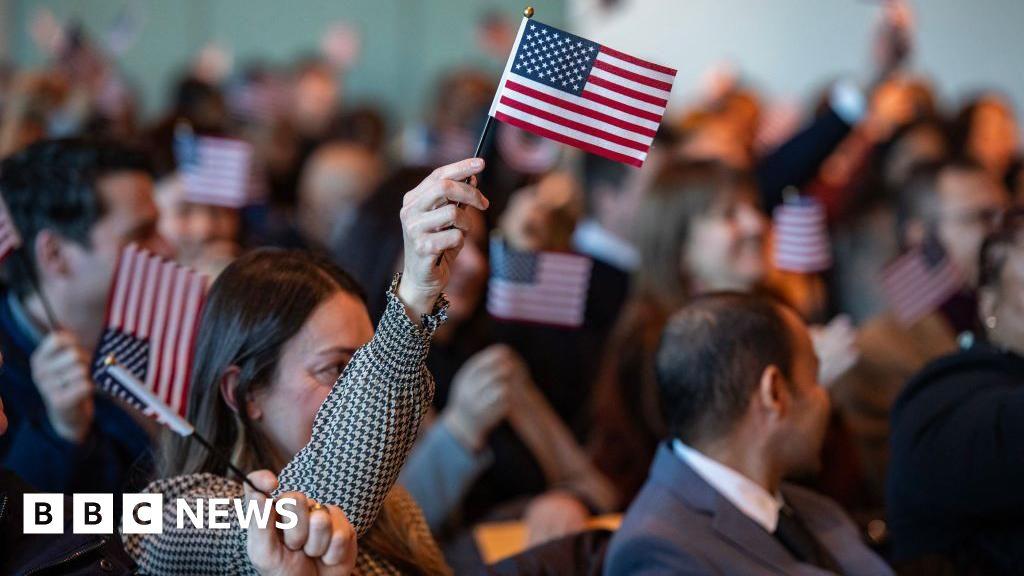
The re‑review has already led to cancelled interviews and oath ceremonies.
USCIS Director Joseph Edlow has been given authority to decide when to lift the hold.
USCIS pause impacts
The pause has had immediate operational effects. Naturalization interviews, adjustment-of-status appointments, and oath ceremonies have been canceled or delayed. Officials say many cases will undergo re-interviews or enhanced screenings.
Several outlets report USCIS is pausing asylum decisions and reexamining approvals granted during the prior administration. Attorneys warn the move will create prolonged uncertainty for longtime lawful residents.

Security directive and reactions
Officials publicly framed the directive as necessary for national security after a deadly Washington shooting linked to an Afghan suspect who had entered the U.S. legally and received asylum.
“DHS, which oversees USCIS, defended the reviews as ensuring only the ‘best of the best’ become citizens and said it is reviewing benefits granted under the Biden administration.”
Critics and immigrant advocates said the action was part of a broader push to tighten immigration controls and warned it created harsh uncertainty for families.
Coverage of proposed measures
Outlets highlight the political context and potential expansion of the measures differently. Some reports note senior officials are considering adding more countries or expanding the list to roughly 30, and say DHS figures such as Secretary Kristi Noem urged broader restrictions. Other reports focus on administrative follow-ups such as building a prioritized database and setting timeframes for re-reviews.