Tourism26 November, 20253 min read
Trump Administration Imposes $100 Surcharge on Non-U.S. Residents Visiting National Parks
This article is an automated aggregation of coverage from news outlets. Our editorials offer in-depth analysis curated by the NewsCord team.
Starting Jan. 1, 2026, non‑U.S. residents pay a $100 surcharge at 11 major parks Non‑resident annual park pass raised from $80 to $250

22 outlets told this the same way.
Outlets did split on Avianca Flight 42 Diverts to Miami After Severe Turbulence Injures Eight Passengers →
National Park Fee Overhaul
The Trump administration announced an overhaul of national-park fees that will impose a $100 surcharge on non-U.S. residents at 11 of the most-visited parks.
“The Interior Department said that starting Jan. 1 foreign visitors will pay an extra $100 per person — in addition to standard entry fees — to enter 11 popular national parks.”
It will also raise the annual America the Beautiful pass for non-residents to $250, effective in the 2026 fee schedule and reported to take effect Jan. 1 in many places.

The change applies to sites such as the Grand Canyon, Yosemite, Yellowstone, Zion and other major parks.
Several formerly fee-free days will be restricted to U.S. residents only, while U.S. residents will keep an $80 annual pass.
Officials described the move as an America-first policy intended to keep parks affordable for American families and to make international visitors contribute their fair share.
National Park fee changes
The administration and Interior Secretary Doug Burgum said a surcharge and higher non-resident pass price will raise funds for conservation, maintenance and visitor services and ensure that non-U.S. visitors contribute their fair share, with officials projecting the changes could generate tens of millions annually. Supporters such as the Property and Environment Research Center (PERC) said a surcharge could produce substantial revenue at high-traffic parks, and the Interior’s budget documents and reports estimate more than $90 million could be raised from surcharges in some projections. At the same time, outlets note the Park Service has been under strain after staff losses and shutdown furloughs, which proponents say the new fees will help address.
National Park Pass Changes
Families visiting multiple parks could face large additional daily costs. Non-resident passes will become more expensive. Several previously free days will be restricted to U.S. residents only.
“The Interior Department said that starting Jan. 1 foreign visitors will pay an extra $100 per person — in addition to standard entry fees — to enter 11 popular national parks. ... annual park passes for non‑residents will increase to $250.”
Reports list the 11 parks impacted: Acadia; Bryce Canyon; Everglades; Glacier; Grand Canyon; Grand Teton; Rocky Mountain; Sequoia and Kings Canyon; Yellowstone; Yosemite; and Zion. Reports also describe new verification procedures for non-resident passes, including photo ID and ZIP code requirements.
The plan includes a new digital pass system. It also proposes commemorative passes featuring President Trump alongside historical figures, which critics say politicizes national-park symbolism.
National park surcharge debate
Critics from conservation groups and travel industry advocates warn the surcharge could deter international visitors, harm gateway communities that rely on tourism, and complicate implementation. Proponents argue the policy corrects an imbalance because many foreign visitors do not pay U.S. taxes.
Several outlets note conservation groups have raised practical and fairness concerns and point to staff cuts, furloughs, and maintenance backlogs that contextually complicate the policy. Research and advocacy groups cited in reporting estimate potential visitation declines from smaller surcharges, but the effect of a $100 fee on the 11 busiest parks remains uncertain.
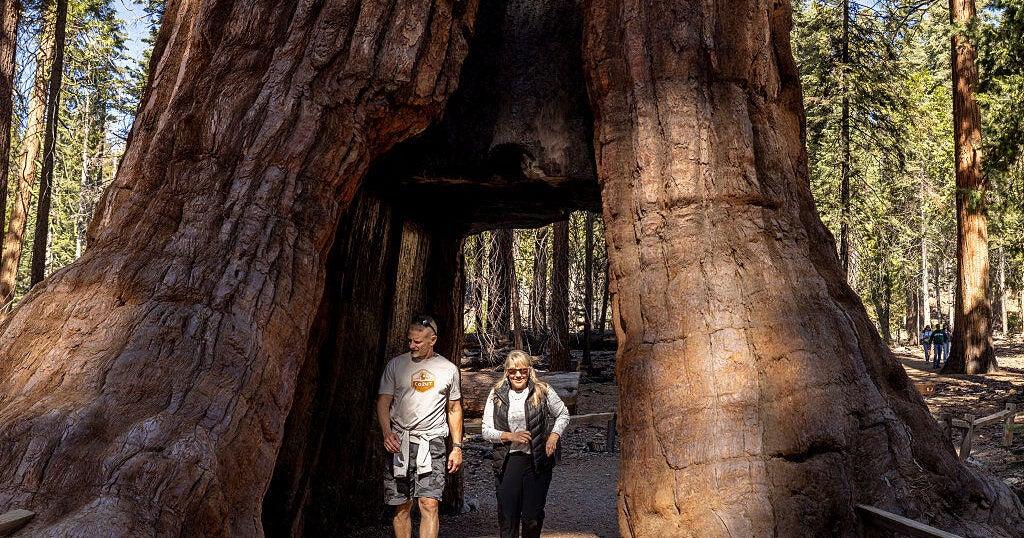
Park entry policy changes
Implementation questions remain: outlets report the new system will include digital passes, tighter verification, and online booking enforcement, but they raise practical concerns about enforcement, equity, and cross-border tourism relations. Some reports note minor reporting issues or missing full texts in aggregated snippets, highlighting variable coverage and occasional gaps in available details, while the administration says revenue will go to park upkeep. The policy is expected to shape visitor behavior, park budgets, and political debate ahead of rollout, but several sources say the precise impacts and legal and administrative details remain unclear.
“The Interior Department announced an overhaul of national park passes next year under an 'America-first' policy that includes a new digital system and new park artwork featuring President Donald Trump.”