USA03 March, 20262 min read
Trump Administration Launches $20B Maritime Reinsurance to Cover Oil Tankers' War Risk in Gulf
This article is an automated aggregation of coverage from news outlets. Our editorials offer in-depth analysis curated by the NewsCord team.
U.S. will deploy a $20 billion maritime reinsurance program covering war risk in the Gulf U.S. Navy will escort tankers through the Strait of Hormuz if necessary
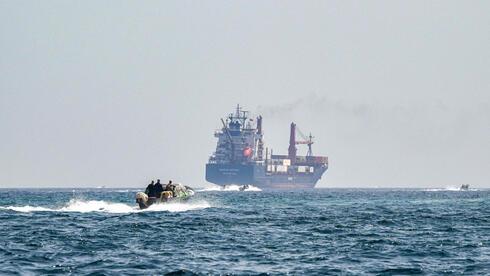
Maritime reinsurance and escorts
The Trump administration announced a large maritime reinsurance and guarantee package aimed at getting oil tankers and other commercial vessels to resume transits through the Strait of Hormuz.
“The Trump administration announced a $20 billion reinsurance program to encourage oil tankers and other maritime traffic to resume transits through the Strait of Hormuz.”
The package pairs up to a reported $20 billion reinsurance program with possible U.S. Navy escorts and political-risk insurance from the U.S. International Development Finance Corporation (DFC).
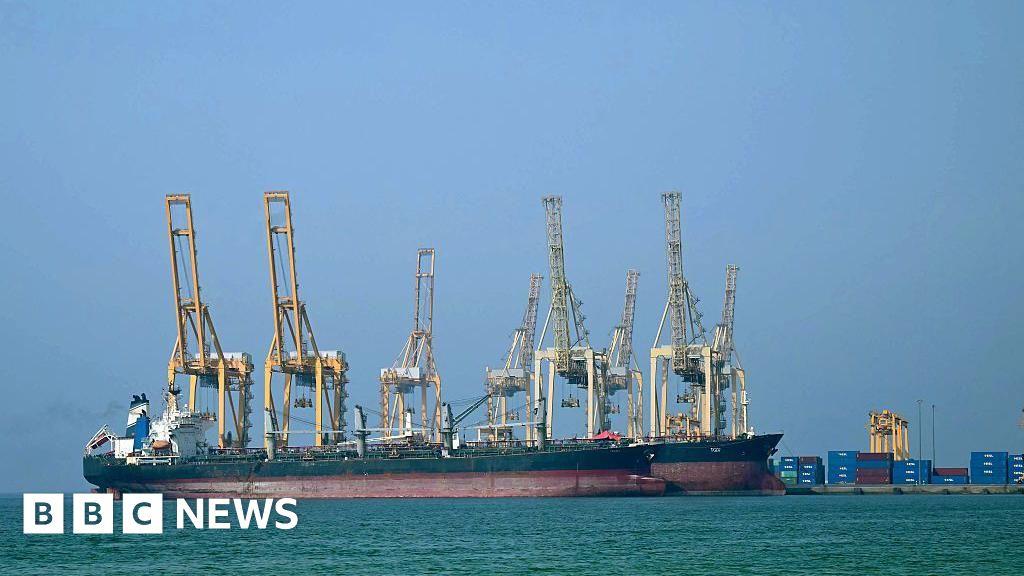
The administration framed the move as an immediate action to stabilise energy flows and markets and said escorts could begin "as soon as possible" or "if necessary."
Shipping disruptions near Hormuz
The package responds to a sharp and immediate disruption to shipping after attacks on tankers and vessels near the Strait of Hormuz. Those attacks have prompted major marine insurers to scale back or withdraw war-risk cover. They have sent oil prices sharply higher.
They have left transit volumes plunging. Industry and regional reports document multiple strikes or damage to tankers.
Those reports document rising war-risk premiums. Those reports document an effective standstill in normal traffic through the chokepoint.
US maritime risk plan
Officials designed the program to operate as a US-backed reinsurance or guarantee backstop for charterers, owners and residual insurers, effectively broadening the DFC's typical mandate to underwrite maritime political-risk; the plan also includes naming Treasury aides to implement phased steps and contemplates naval escorts as a complementary military option.
“President Trump proposed using US-backed insurance guarantees and naval escorts to keep energy flowing through the Persian Gulf, but shipping sources and analysts say it’s only a partial, slow-to-deploy fix.”
The administration and supporters argue the blend of financial guarantees and naval protection would lower war-risk premiums and encourage insurers and shipowners to resume normal operations.
Shipping industry concerns
Shipping industry sources and analysts are skeptical about how quickly and fully the measures can restore traffic. They note that many vessels aren’t U.S.-flagged. Insurers and owners fear high loss exposures and legal limits.
Naval escorts could be stretched thin or risk direct confrontation. Practical implementation may be slow even with guarantees in place. Experts warn these constraints mean reinsurance and escorts may only partially mitigate the market shock while the security threat persists.

Impact of oil disruptions
Markets have already felt the impact: crude and fuel prices spiked after the disruptions. Gasoline costs rose in retail markets, and officials signalled contingency options including potential release from the Strategic Petroleum Reserve while cautioning that broader normalization depends on reduced threats and de-escalation. Observers say a prolonged or systemic closure of Hormuz would deepen global supply pressures and could push oil well above current elevated levels.
“The move comes as tanker traffic in the Persian Gulf is largely halted by the Iran war, sending U.S. crude prices up more than 12% on Friday to over $90 a barrel and prompting some Gulf countries to cut production because they cannot export through the strait.”