Technology and Science23 March, 20264 min read
Trump Administration Pays TotalEnergies $1B to Walk Away From US Offshore Wind Leases
This article is an automated aggregation of coverage from news outlets. Our editorials offer in-depth analysis curated by the NewsCord team.
The U.S. pays TotalEnergies $1 billion to abandon two offshore wind leases. TotalEnergies will be reimbursed for its wind lease purchases.

Deal Overview
The Trump administration has reached a $1 billion agreement with French energy company TotalEnergies to terminate two offshore wind leases off the coasts of North Carolina and New York, effectively refunding the company for its lease purchases while redirecting the funds toward fossil fuel development. TotalEnergies had acquired these leases in 2022 during the Biden administration, with the New York lease alone costing $795 million at a highly competitive auction that attracted over $4 billion in industry bids. In exchange for the lease termination, TotalEnergies has committed to investing approximately $1 billion in U.S. oil and natural gas projects, including the construction of a liquefied natural gas plant in Texas and expanded oil and gas activities.
“The Trump administration will pay $1 billion to a French company to walk away from two U.S. offshore wind leases as the administration ramps up its campaign against offshore wind and other renewable energy.”
The company has also pledged not to develop any new offshore wind projects in the United States, marking a significant retreat from the renewable energy sector in the American market. "We welcome TotalEnergies' commitment to developing projects that produce dependable, affordable power to lower Americans' monthly bills while providing secure U.S. baseload power today — and in the future," stated Interior Secretary Doug Burgum, framing the agreement as beneficial for American energy security.

Policy Shift
The $1 billion lease termination represents the Trump administration's latest strategy in its campaign against offshore wind development, which has intensified since the president took office with executive orders aimed at boosting oil, gas, and coal production. The administration has repeatedly attempted to halt offshore wind construction through direct orders and regulatory actions, though federal judges have consistently overturned these attempts, finding that the government failed to demonstrate the immediate national security risks it claimed justified stopping the projects. "The Trump administration has tried to halt offshore wind construction, but federal judges overturned those orders," according to Associated News, highlighting the ongoing legal battles between the administration and renewable energy developers.
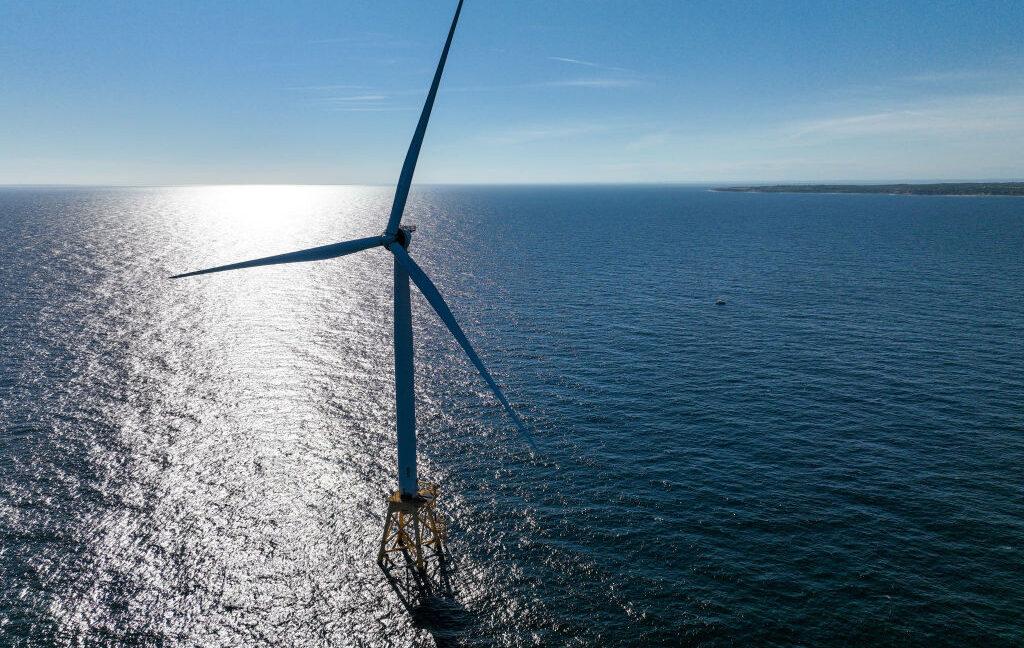
This latest deal with TotalEnergies emerged after the administration's previous attempts to block wind projects through direct intervention were struck down by the courts, suggesting a creative workaround to achieve the same policy goals. The timing of the agreement coincided with the operational startup of one of the wind farms targeted by the administration, with Coastal Virginia Offshore Wind beginning to deliver power to the grid on the same day the TotalEnergies deal was announced, underscoring the administration's frustration with the continued advancement of renewable energy projects despite its opposition.
Environmental Opposition
Environmental groups have condemned the $1 billion TotalEnergies deal as an alarming misuse of taxpayer funds and a deliberate effort to undermine renewable energy development in the United States. The Natural Resources Defense Council characterized the arrangement as "reckless to stop projects intended to reduce energy expenses," while clean energy advocates like Ted Kelly of the Environmental Defense Fund criticized it as "an outrageous misuse of taxpayer dollars to prevent Americans from having clean, affordable power exactly when they need it most." This opposition reflects broader concerns about the administration's environmental priorities and its apparent preference for fossil fuel development over renewable energy solutions to climate change.
“Environmental groups denounced the TotalEnergies deal as an alternate way to block wind projects.”
"Environmental groups denounced the TotalEnergies deal as an alternate way to block wind projects," reported Associated News, capturing the sentiment that the administration is finding indirect methods to achieve its anti-wind agenda. The deal also highlights the financial stakes involved in the offshore wind industry, with TotalEnergies having paid significant sums for the leases it is now abandoning, and raises questions about the future of U.S. energy policy and investment climate in the renewable sector.
Global Context
The Trump administration's $1 billion deal with TotalEnergies stands in sharp contrast to the global momentum toward offshore wind energy, with China leading the world in new installations and international markets continuing to expand despite political headwinds in the United States. While U.S. offshore wind development faces significant challenges under the current administration, the industry remains active domestically, as evidenced by the recent operational startup of the Coastal Virginia Offshore Wind project despite regulatory obstacles. The TotalEnergies agreement represents a significant shift in the company's U.S. strategy, with CEO Patrick Pouyanné stating that offshore wind is "not the most affordable way to produce electricity in the U.S." and that the refunded lease fees will be used for "a more efficient use of capital" in fossil fuel development.
This move reflects broader political and economic headwinds facing U.S. offshore wind development, including halted leasing and project delays that could have long-term implications for American energy independence and climate goals. The deal also raises questions about the future of U.S. energy policy and whether the current administration's focus on fossil fuels will significantly alter the trajectory of renewable energy development in the country, or if market forces and international competition will ultimately drive the transition to cleaner energy sources regardless of political opposition.
