Technology and Science02 July, 20263 min read
Trump Administration Relaxes Radiation Exposure Rules for Nuclear Power Plant Workers
This article is an automated aggregation of coverage from news outlets. Our editorials offer in-depth analysis curated by the NewsCord team.
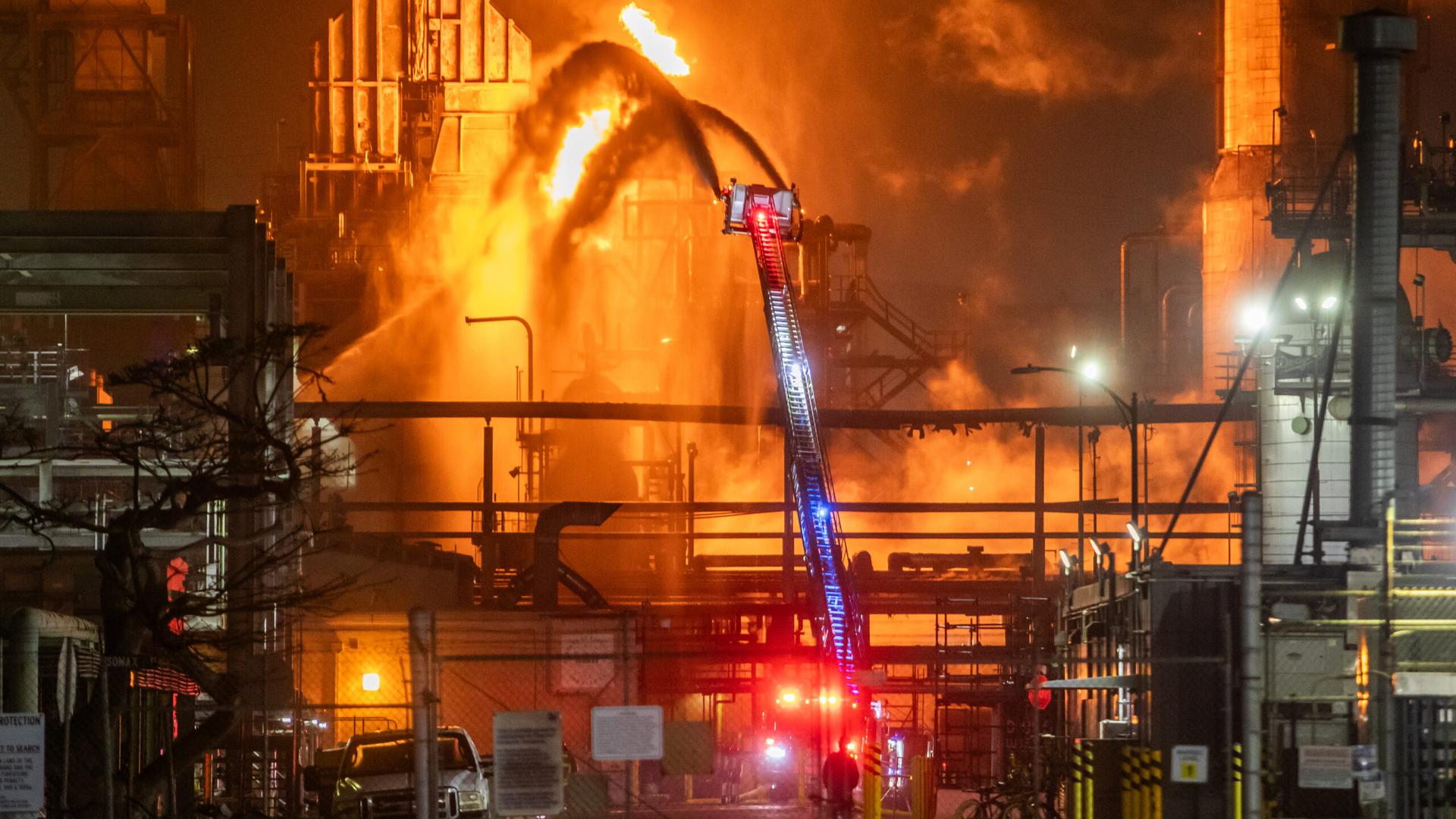
Trump administration plans to weaken safety rules across industries. Chemical accidents are rising amid these proposed safety rollbacks.
Radiation rules and AVs
The Washington Post reported that a federal nuclear regulator is moving to relax radiation exposure rules for workers at nuclear power plants, in line with an executive order from President Donald Trump to speed up approval of new nuclear facilities.
The Washington Post framed the proposal as allowing workers at nuclear power plants to be exposed to higher levels of radiation under the regulator’s plan, while the article’s comments section described “strong criticism of the Trump administration’s decision to relax radiation exposure regulations for nuclear workers.”
Crypto Briefing reported that the Trump administration rewrites auto safety rules to clear the road for driverless vehicles, with the National Highway Traffic Safety Administration proposing eliminating brake pedal requirements for autonomous-only vehicles.
Crypto Briefing said the NHTSA proposal would update Federal Motor Vehicle Safety Standards to remove the mandate for physical brake controls in vehicles designed exclusively for automated driving systems, targeting FMVSS No. 135.
Crypto Briefing added that Transportation Secretary Sean P. Duffy has been leading what the administration calls the “Automated Vehicle Framework,” which has introduced at least five updates to FMVSS since its launch.
Chemical accidents and rollbacks
The New Lede reported that as chemical accidents surge, a watchdog warned of looming safety rollbacks, saying the Trump administration’s plans to roll back regulations on chemical facility safety will allow for the continued rise in industrial chemical accidents. The New Lede said industrial accidents resulting in chemical releases rose to 131 last year from 83 in 2021, and that accidents involving injuries or fatalities rose from 60 incidents to 89 during the same period. Inside Climate News and Ars Technica both described a new analysis showing rising rates of chemical accidents, with Ars Technica stating that the number of accidents involving releases of dangerous chemicals rose by 57 percent between 2021 and 2025, from 83 to 131.
Ars Technica and Inside Climate News also reported that injuries or deaths from accidents rose from 60 to 89 over the same five-year period. Inside Climate News said incident reports released by the Chemical Safety Board show that more than 650 accidents occurred between April 2020 and May 2026, with 103 resulting in fatalities, 355 causing injuries and 314 doing “substantial property damage.”

HF experiments and stakes
Ars Technica and Inside Climate News described physicist Ronald Koopman appearing at a Southern California Air District meeting in 2018 to talk about hydrofluoric acid dispersion and water mitigation testing. Inside Climate News said Koopman conducted experiments with the chemical in the 1980s and that when they released 1,000 gallons of the noxious chemical, they expected it to pool on the ground and emit a small quantity of gas, but instead a billowing “ground-hugging” mist formed. Inside Climate News reported that exposure to 170 parts per million of hydrogen fluoride for 10 minutes can cause death or serious injury, and it added that Close to 150 million people live within 3 miles of these facilities.
Ars Technica quoted Jeff Ruch, senior counsel at PEER, saying, “With each passing year the risk gets greater because the infrastructure continues to age,” tying the stakes to aging industrial infrastructure. The New Lede said PEER’s warning came after the Environmental Protection Agency proposed the Common Sense Approach to Chemical Accident Prevention rule, and it reported that the EPA’s website stated the proposed amendments seek to improve chemical process safety by “avoiding duplicative requirements.”