USA06 December, 20252 min read
Trump Administration Removes Martin Luther King Jr. Day and Juneteenth From National Park Free-Entry Calendar, Replaces Them With Donald Trump's Birthday
This article is an automated aggregation of coverage from news outlets. Our editorials offer in-depth analysis curated by the NewsCord team.
Martin Luther King Jr. Day and Juneteenth removed from 2026 national parks' fee-free days. June 14, President Trump's birthday, added to 2026 national parks fee-free calendar.

18 outlets told this the same way.
Outlets did split on Trump Interrupted by Protesters at San Antonio Rally for Ken Paxton →
NPS 2026 fee-free changes
The National Park Service updated its 2026 fee-free schedule to remove Martin Luther King Jr. Day and Juneteenth.
“The National Park Service has revised its free-admission calendar so that visitors will get free entry on President Donald Trump’s birthday (June 14, which is also Flag Day) in 2026, but will no longer receive waived admission on Martin Luther King Jr. Day or Juneteenth.”
The update instead designates June 14 — Flag Day, which is also President Donald Trump's birthday — as a free-entry day.
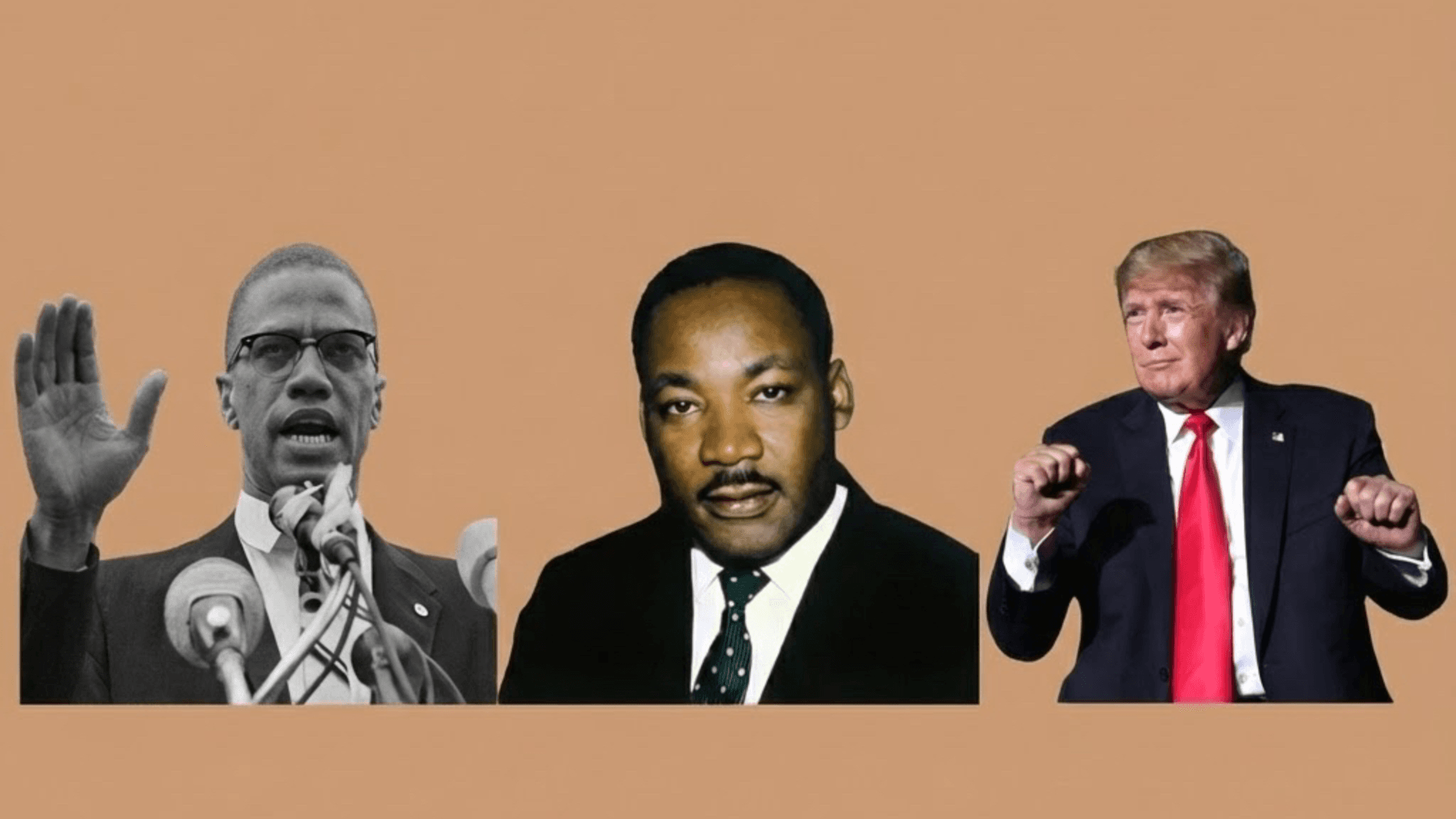
The revised calendar also adds 'patriotic' dates such as Presidents' Day, Memorial Day, the Independence Day weekend, the NPS's 110th anniversary, Constitution Day, and Theodore Roosevelt's birthday.
Multiple outlets reported that the 2026 calendar replaces the two holidays tied to Black history with Flag Day/Trump's birthday and the added dates.
The Interior Department under Secretary Doug Burgum published the decision as part of the administration's revised list of resident-oriented fee waivers for 2026.
National park fee changes
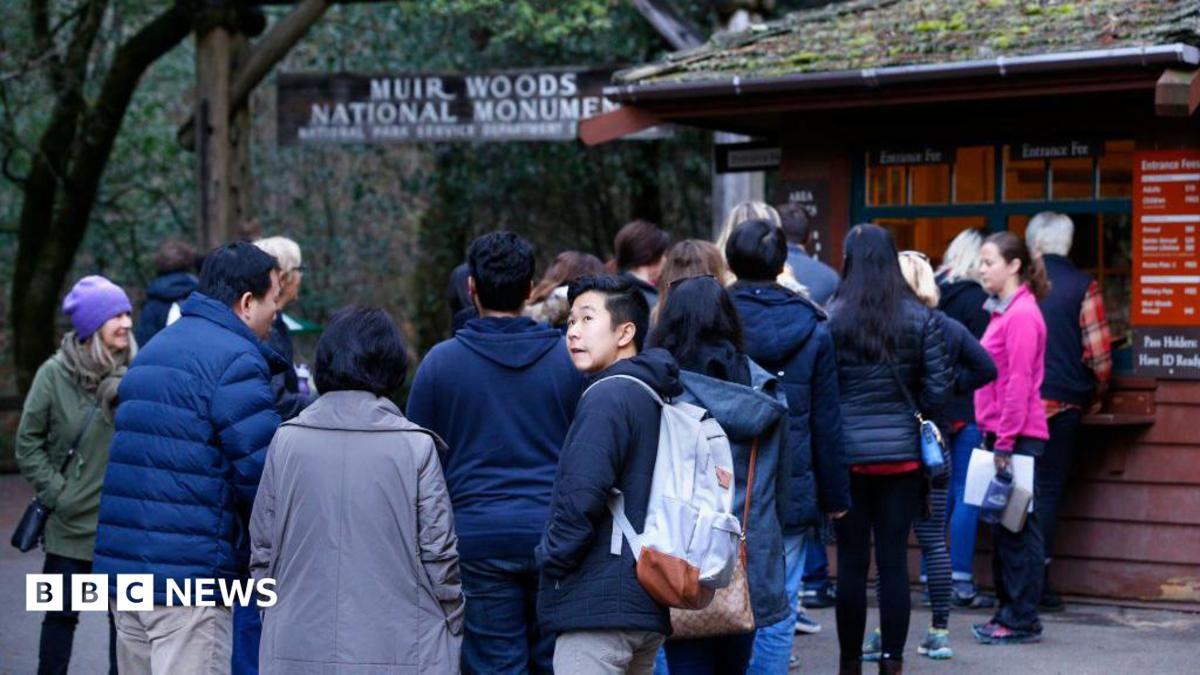
The policy change is tied to a broader shift in the administration’s framing and fee policy. The 2026 free-entry days are described as 'patriotic' and reserved for U.S. citizens and residents. The plan includes higher fees or surcharges for nonresidents and foreign visitors at major parks.
The administration said the changes 'put American families first,' while critics called the move politically motivated. Outlets also reported new pricing, including an extra $100 per nonresident at 11 popular parks and revised annual-pass prices that will differ for residents and nonresidents.
Coverage of holiday substitution
Civil-rights advocates, social media users and many reporters framed the substitution of MLK Day and Juneteenth with Trump's birthday as politically and racially charged. Critics said the change undermines recognition of key events in African American history and dismissed it as a symbolic reshaping of the civic calendar.
“The change has drawn major backlash: critics say dropping holidays tied to Black history and civil-rights education while adding Trump’s birthday is dismissive of those cultural and educational uses of park access.”
Tabloid and opinion-oriented outlets emphasized the backlash and emotional response, while mainstream outlets reported both the criticism and the administration's stated rationale. Some outlets also recalled that Juneteenth only recently became a federal holiday and that MLK Day had long been a popular fee-free day for families and school groups.
2026 fee-free park days
The published schedule includes other additions and removals beyond the three most reported dates.
Reports list Presidents' Day, Memorial Day, a three-day July 4 weekend, the National Park Service's 110th birthday (Aug. 25), Constitution Day (Sept. 17), Theodore Roosevelt's birthday (Oct. 27) and Veterans Day as 2026 fee-free days.

It removes the first day of National Park Week, the Great American Outdoors Act anniversary, National Public Lands Day and some bureau birthdays.
The change will affect many high-profile sites and applies at about 116 parks, including Yellowstone, Yosemite, the Grand Canyon and the Everglades.
Media reactions to policy change
Reactions and political framing vary by outlet: the administration and some reports describe the move as prioritizing American families and making access affordable for U.S. taxpayers. Critics view the substitution as political favoritism and an erosion of recognition for Black history. Interior Secretary Doug Burgum defended the policy as putting 'American families first' in coverage by livemint and other outlets.
“Interior Secretary Doug Burgum defended the policy as putting ‘American families first.’”
Times Now and CNN framed the change in the broader context of rolling back diversity, equity and inclusion efforts and the president’s prior comments about Juneteenth. Many outlets flagged widespread online criticism and civil-rights group objections.