
Trump Administration Sanctions Hengli Petrochemical And 40 Shippers Over Iranian Oil
Key Takeaways
- US sanctions Hengli Petrochemical and about 40 shipping firms tied to Iranian oil.
- Move aims to cut Iran's main oil revenue ahead of talks to end the war.
- Sanctions broaden crackdown on Iran's maritime oil trade.
Sanctions on Iran Oil Network
The Trump administration imposed economic sanctions on a China-based oil refinery and “roughly 40 shipping companies and tankers” involved in transporting Iranian oil, a move the Associated Press said was announced Friday and first reported by the Associated Press.
The AP described the sanctions as making good on Trump’s threat to impose “secondary sanctions on companies and countries that do business with Iran,” while also targeting Iran’s oil exports as “its key source of revenue.”

The measures cut off the targeted firms from the U.S. financial system and penalize anyone who does business with them, according to the AP.
The sanctions included Hengli Petrochemical’s facility in the port city of Dalian, which the AP said has a processing capacity of “roughly 400,000 barrels of crude oil per day.”
The Treasury Department said Hengli “has received Iranian crude oil shipments since 2023,” and the AP reported that Hengli generated “hundreds of millions of dollars in revenue for the Iranian military.”
The Associated Press also linked the sanctions to broader U.S. pressure on maritime routes, noting that “the U.S. this month imposed a physical blockade on the Strait of Hormuz.”
The AP said the sanctions were announced “just a few weeks before President Donald Trump and China’s Xi Jinping are due to meet in China.”
Economic Fury and Secondary Pressure
Multiple outlets framed the sanctions as part of a wider campaign to squeeze Iran’s finances through its oil trade, with the Associated Press describing a “ramped-up campaign to cut off Iran’s key source of revenue — its oil exports.”
The Hill reported that Treasury Secretary Scott Bessent said the sanctions targeting Iran’s oil network were part of the war effort to deprive Tehran of money to arm its military, quoting Bessent’s statement that “Economic Fury is imposing a financial stranglehold on the Iranian regime, hampering its aggression in the Middle East, and helping to curtail its nuclear ambitions.”
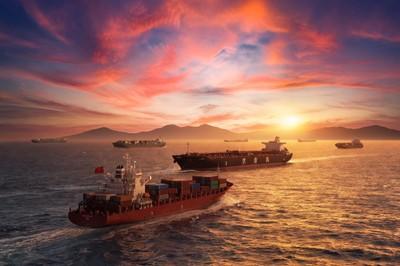
The Arab Times Kuwait News described the same action as part of what it called “Economic Fury,” quoting Bessent: “Economic Fury is imposing a financial stranglehold on the Iranian regime,” and adding that Washington would continue to target “vessels, intermediaries, and buyers linked to Iran’s oil trade.”
Fox News similarly tied the crackdown to Economic Fury, saying it was designed to choke off Tehran’s main source of revenue and quoting Bessent that “Economic Fury is imposing a financial stranglehold on the Iranian regime, hampering its aggression in the Middle East and helping to curtail its nuclear ambitions.”
The Hill also described how the sanctions were structured to block U.S. persons and companies from doing business with blacklisted entities and to freeze U.S. property owned or majority owned by sanctioned entities.
The Associated Press said the sanctions “cut off the companies from the U.S. financial system and penalize anyone who does business with them,” and it also reported that Bessent had sent a letter earlier in the month to financial institutions in China, Hong Kong, the UAE and Oman threatening secondary sanctions.
In the AP account, Bessent told countries during a White House press briefing on April 15 that “if you are buying Iranian oil, that if Iranian money is sitting in your banks, we are now willing to apply secondary sanctions, which is a very stern measure.”
Hengli, Dalian, and the Shadow Fleet
The sanctions centered on Hengli Petrochemical’s facility in Dalian, with multiple outlets describing it as a major independent “teapot” refinery and linking it to Iranian crude shipments.
“US imposes sanctions on a China-based oil refinery and 40 shippers over Iranian oil WASHINGTON (AP) — President Donald Trump’s administration is placing economic sanctions on a major China-based oil refinery and roughly 40 shipping companies and tankers involved in transporting Iranian oil”
The AP said Hengli is in the port city of Dalian and has “roughly 400,000 barrels of crude oil per day,” and it reported that Treasury said Hengli “has received Iranian crude oil shipments since 2023.”
The Hill described Hengli Petrochemical (Dalian) Refinery Co. as a China-based independent oil refinery “colloquially referred to as a ‘teapot,’” and it said Treasury described China’s network of “teapot” refineries as playing “a vital role in sustaining Iran’s oil economy.”
Fox News added that Hengli is one of China’s largest independent facilities and said it “has received Iranian oil cargoes from sanctioned shadow fleet vessels since at least 2023.”
Fox News also described the “shadow fleet” as a “network of shipping companies and tankers responsible for transporting billions of dollars worth of petroleum products,” and it said Treasury identified these vessels as the “financial lifeline for Iran’s ‘unstable regime.’”
The Fox account further stated that “Treasury officials said 19 vessels were targeted in the action,” while the AP described the overall package as involving “roughly 40 shipping companies and tankers.”
The Hill said the Treasury also sanctioned 40 shipping firms and vessels that operate as part of Iran’s “shadow fleet,” and it quoted Bessent that “At President Trump’s direction, Treasury will continue to constrict the network of vessels, intermediaries, and buyers Iran relies on to move its oil to global markets.”
China Protests; U.S. Pushes On
China publicly protested the U.S. sanctions on Chinese companies linked to Iran’s oil exports, with the BBC reporting that Beijing said it would take “all ‘necessary measures to safeguard the legitimate activities’” of its citizens and Chinese companies.
The BBC quoted Gao Jiakun, spokesperson for the Chinese Foreign Ministry, saying at a weekly press briefing on Friday, October 10 that China asks the United States to stop resorting to sanctions and stressing that China will protect its energy security.
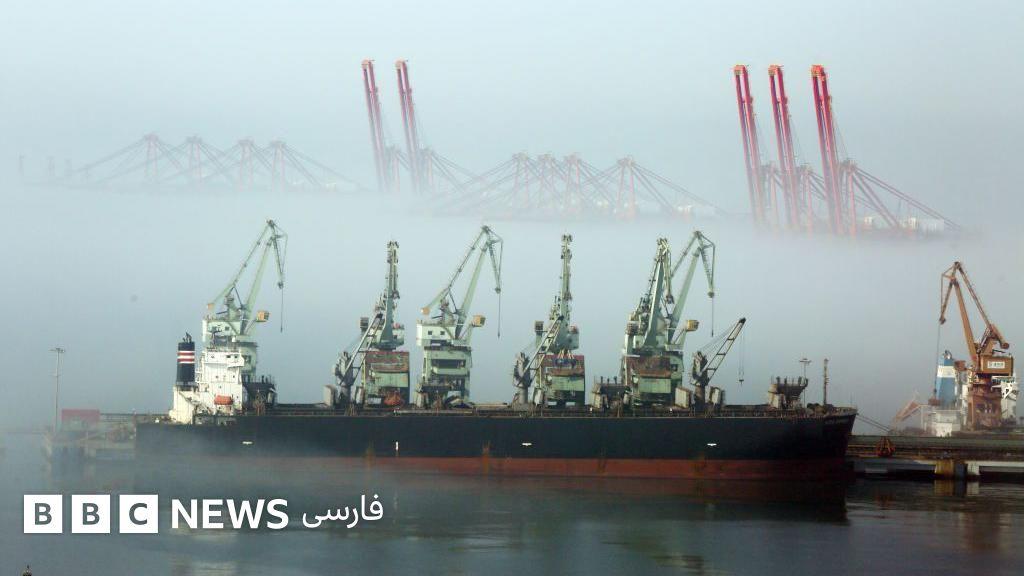
Gao said: “China consistently and decisively opposes unilateral and illegal sanctions that have no basis in international law or UN Security Council mandates,” and he added: “We urge the United States to completely abandon the wrong practice of using sanctions.”
The BBC also reported that Gao said “Normal cooperation between states with Iran within the framework of international law is fully legitimate and reasonable.”
In the same BBC account, the U.S. government on Thursday (the 17th of Mehr) announced that it had sanctioned nearly 100 individuals, entities, companies, and vessels for facilitating Iran’s oil and petrochemical trade, including a Chinese-owned refinery and an oil terminal.
The BBC said the U.S. Treasury blacklisted the Shandong Jinchen Petrochemical Group, which owns a private refinery in Shanxi Province in eastern China, and it said the U.S. sanctioned the Rizhao Shihua Crude Oil Terminal Company and an oil transfer terminal at the important Lanshan port in China.
The BBC further reported that the U.S. noted “more than 12 ships and tankers were sanctioned,” part of Iran’s “Shadow Fleet,” and it named ships “Big Meg”, “Kangm”, and “Voi” as among those that carried “tens of millions of barrels of Iranian oil” to Rizhao port.
Different Frames, Same Crackdown
While the core facts of the sanctions package were consistent across outlets, the reporting diverged in emphasis, scale, and the surrounding diplomatic narrative.
The Associated Press described the Friday action as targeting “a major China-based oil refinery and roughly 40 shipping companies and tankers,” and it tied the timing to “just a few weeks before President Donald Trump and China’s Xi Jinping are due to meet in China.”
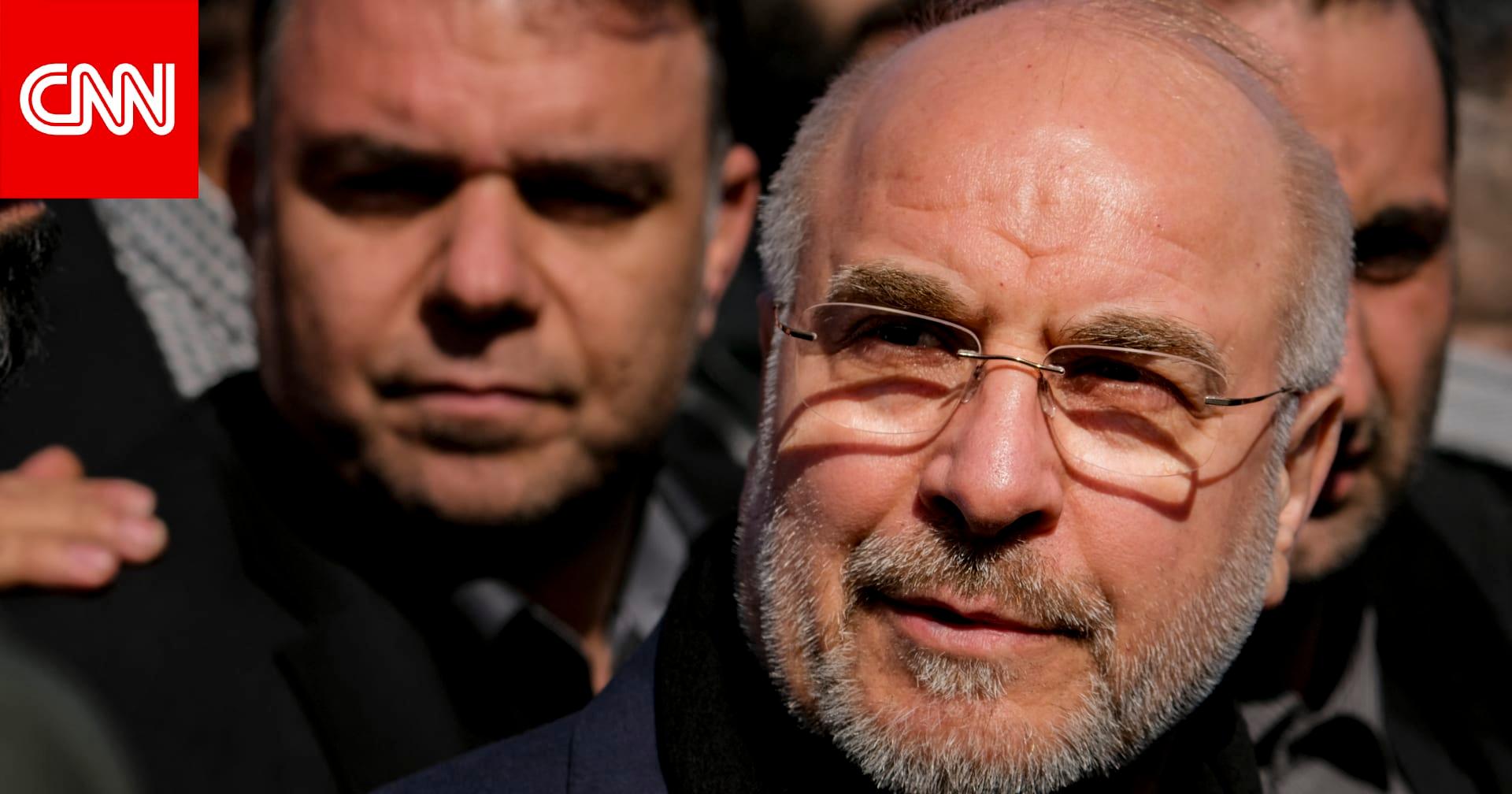
The Hill, by contrast, emphasized the sanctions’ role in the “war effort” and said the measures were announced “ahead of high-stakes talks between the U.S. and Iran over ending the war, expected for Saturday,” while also saying the sanctions “put pressure on Chinese President Xi Jinping before President Trump visits the country in May.”
Fox News framed the same crackdown as part of a “maximum pressure” campaign and described the “shadow fleet” as the “financial lifeline for Iran’s ‘unstable regime,’” while also asserting that “Treasury officials said 19 vessels were targeted in the action.”
The Arab Times Kuwait News described the sanctioned network as moving “billions of dollars’ worth of petroleum products” and quoted Bessent calling the campaign “Economic Fury,” while also stating that the sanctions were unveiled “just weeks ahead of a planned meeting between US President Donald Trump and Chinese President Xi Jinping.”
The BBC’s account broadened the picture by describing a separate U.S. announcement on Thursday (the 17th of Mehr) that sanctioned “nearly 100 individuals, entities, companies, and vessels,” and it named specific Chinese firms and ports including “Shanxi Province” and “Lanshan port.”
The Washington Post item provided less accessible detail in the supplied text, but it described the Treasury action as “sweeping sanctions on 40 shipping firms and vessels, as well as a Chinese oil refinery,” in a “widening crackdown on maritime business with the Iranian regime.”
What Comes Next
The sanctions were presented as part of an ongoing effort to constrict Iran’s ability to move oil to global markets, with U.S. officials signaling that additional measures could follow.
The Associated Press reported that Treasury Secretary Scott Bessent said his agency “will continue to constrict the network of vessels, intermediaries and buyers Iran relies on to move its oil to global markets.”
The Hill quoted Bessent warning that “Any person or vessel facilitating these flows — through covert trade and finance — risks exposure to U.S. sanctions,” and it described how the sanctions block U.S. persons or companies from dealing with blacklisted entities and freeze U.S. property owned or majority owned by sanctioned entities.
Fox News added that Treasury officials warned that “additional sanctions are likely as the U.S. continues targeting the networks, intermediaries and buyers that enable Iran to move oil on the global market.”
The Associated Press also described the broader energy context, saying that “the global energy trade is in turmoil as war around the Persian Gulf chokes off oil and natural gas shipments, causing prices to soar,” and it noted that Treasury tried to quell the impact by issuing “temporary sanctions waivers on Russia oil and a one-time waiver on Iranian oil already at sea.”
The AP reported that the U.S. had imposed a physical blockade on the Strait of Hormuz, and it said the sanctions were announced as the U.S. and China were approaching a meeting in China.
The Hill described additional diplomatic pressure, saying Trump’s top envoys were headed to Pakistan to hold talks with Iranian officials over a deal to end the “more than two-month war.”
More on USA

Kathleen M. Williams Questions Constitutionality of Trump’s $10 Billion IRS and Treasury Lawsuit
13 sources compared

Federal Appeals Court Rejects Trump’s Asylum Ban, Clearing Way To Reopen U.S.-Mexico Border
12 sources compared

Pete Hegseth Says U.S. Blockade of Iranian Vessels Will Continue in Strait of Hormuz
13 sources compared
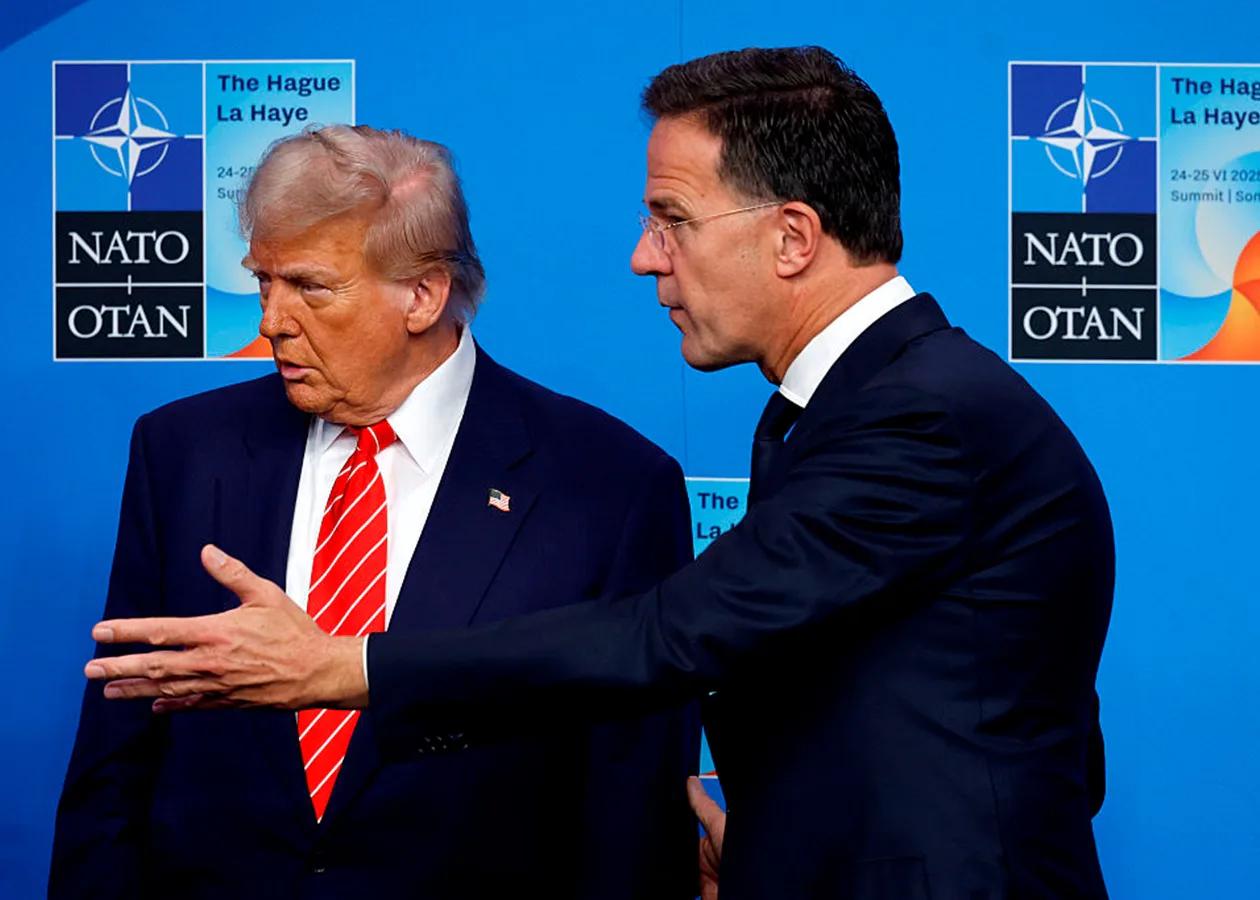
Spain Denies US Plan To Suspend It From NATO After Pentagon Email Suggests Punishment
44 sources compared