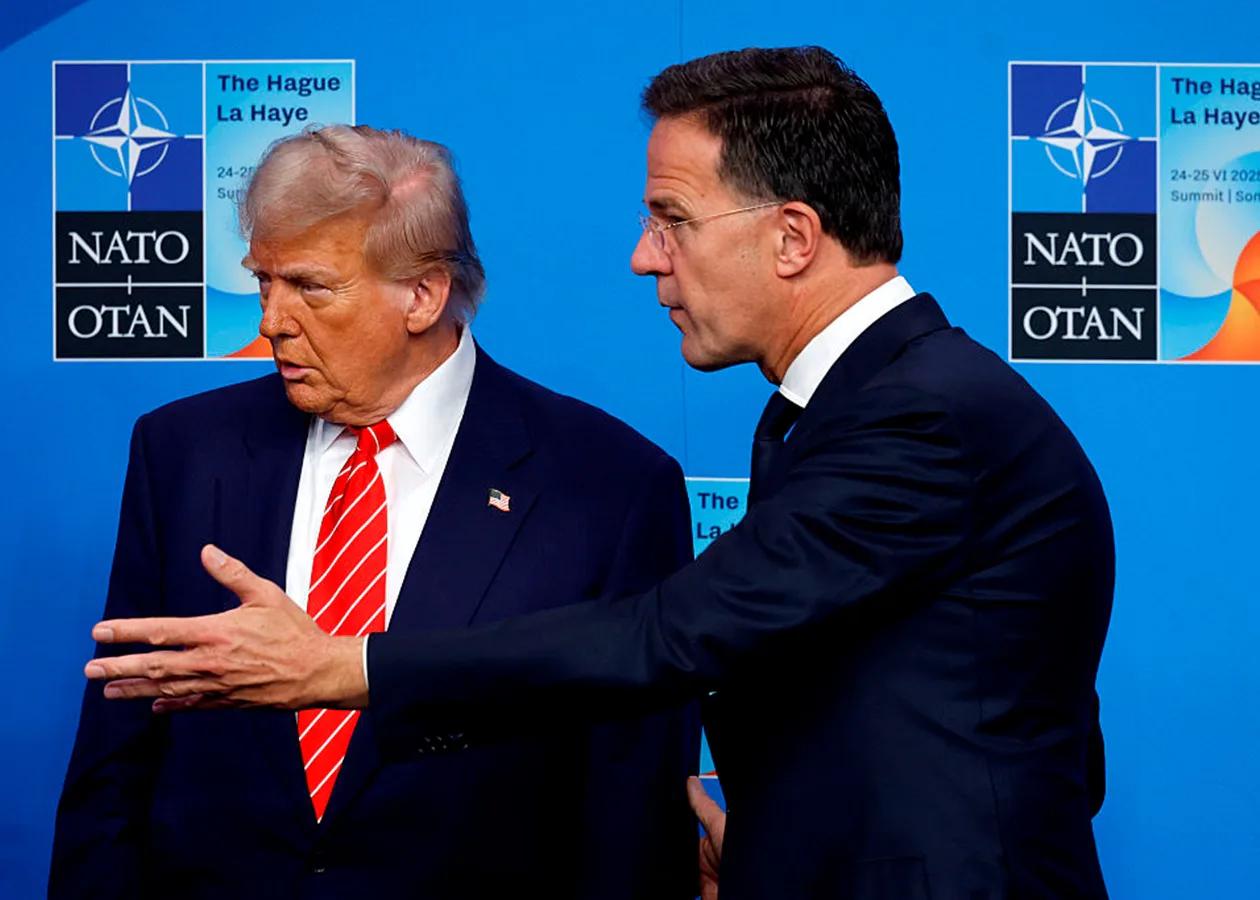
Spain Denies US Plan To Suspend It From NATO After Pentagon Email Suggests Punishment
Key Takeaways
- Internal Pentagon email floated suspending Spain from NATO over Iran war stance.
- NATO has no mechanism to expel or suspend members.
- Sánchez denies pursuing expulsion threats; says Spain remains a reliable NATO member.
Pentagon memo targets Spain
A report that the United States could seek to suspend Spain from NATO has triggered a rapid, public response from Spain and a detailed denial of any legal pathway for expulsion.
The BBC says NATO told it there is "no provision for member states to be suspended or expelled from the military alliance" and that the alliance's founding treaty "does not foresee any provision for suspension of Nato membership, or expulsion".
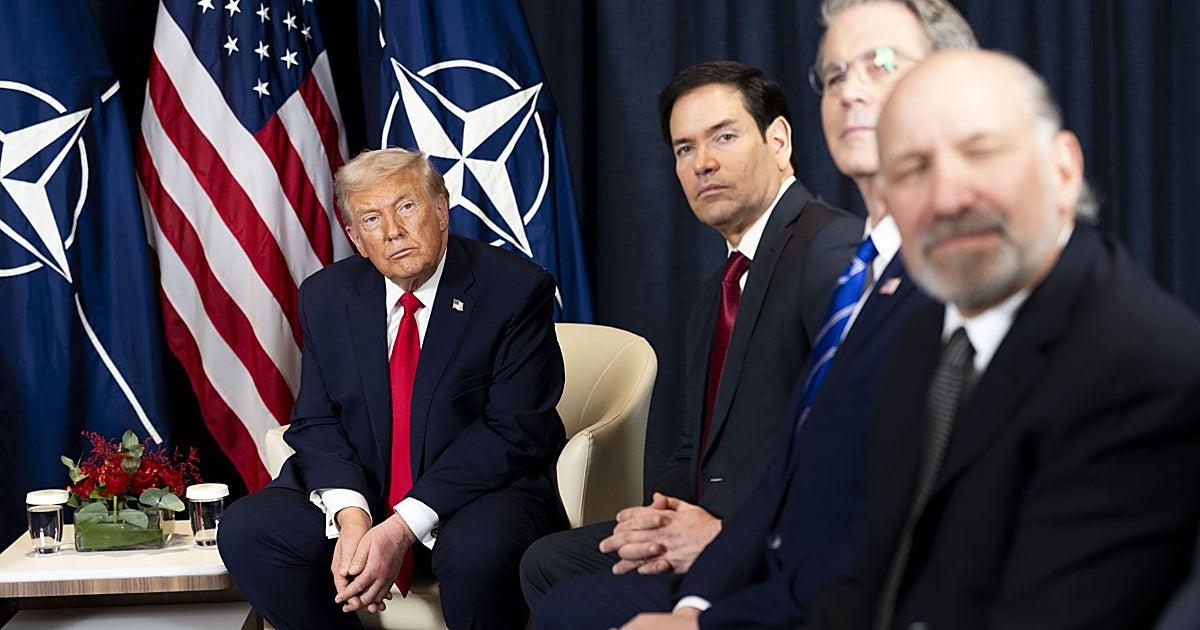
Reuters, as quoted by the BBC, cited a US official saying an internal Pentagon email suggested measures for the US to punish allies it believed had failed to support its campaign.
The BBC also quotes Pentagon Press Secretary Kingsley Wilson saying, "despite 'everything' the US has done for its Nato allies, "they were not there for us".
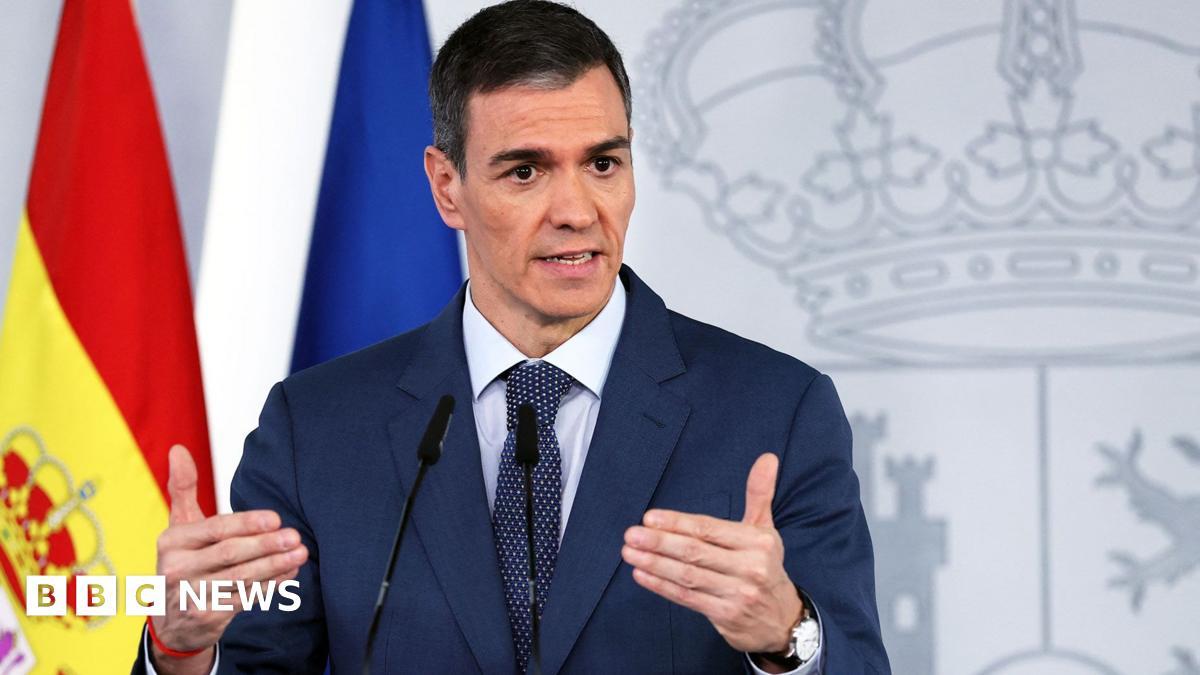
Spain's Prime Minister Pedro Sánchez dismissed the report, telling reporters, "We do not work based on emails. We work with official documents and official positions taken, in this case, by the government of the United States."
DW similarly reported Sánchez said he was "not worried" and that "Spain is a reliable member within NATO," adding, "As a result, I am absolutely not worried."
In the same dispute, DW and the BBC both cite NATO officials saying the treaty contains no mechanism for suspension or expulsion, while the BBC adds that Spain has refused to allow the use of air bases on its territory for attacks on Iran.
Iran war access and ABO
The reported Pentagon email and the ensuing political fight are tied directly to how NATO allies supported or refused US operations during the war on Iran, with Spain singled out for blocking access.
The BBC says the US has repeatedly criticized NATO allies for their reluctance to play a greater role after the US and Israel attacked Iran on 28 February and Iran subsequently restricted shipping through the key Strait of Hormuz route.

It adds that Spain has refused to allow the use of air bases on its territory for attacks on Iran, and that the US has two military bases in Spain, Naval Station Rota and Morón Air Base.
Euronews reports that the internal Pentagon email outlined options for the United States to punish NATO allies it believes failed to support US operations in the Iran war, including suspending Spain from the alliance and reviewing the US position on Britain's claim to the Falkland Islands.
Euronews says the policy options are detailed in a note expressing frustration at some allies' reluctance or refusal to grant the US access, basing and overflight rights, known as ABO, for the Iran war, and quotes the email stating that ABO is "just the absolute baseline for NATO".
The Daily Beast likewise frames the leak as a response to NATO allies who refused to get involved in the war on Iran, saying the leaked Pentagon email shows the administration considering a push to outright suspend Spain from the defense alliance.
The same thread appears in Euronews, which quotes Wilson saying, "they were not there for us" and that "The War Department will ensure that the president has credible options to ensure that our allies are no longer a paper tiger and do their part," while also noting the email is not an official memo or executive order.
Leaders and officials trade quotes
As Spain and NATO officials pushed back, other European leaders and US officials used sharply worded language about alliance obligations and the Strait of Hormuz.
The BBC reports that Italian Prime Minister Giorgia Meloni urged Nato allies to stick together, saying the alliance is a "source of strength" and that "We must work to strengthen Nato's European pillar... which must clearly complement the American one," which she told reporters at an EU summit in Cyprus.
DW similarly quotes Meloni saying NATO "must remain united" and repeating her call to strengthen the European pillar.
The BBC also includes a statement from a German government spokesperson saying, "Spain is a member of Nato. And I see no reason why that should change," and it notes that Spain's leader has dismissed the report.
On the US side, the BBC quotes Pentagon Press Secretary Kingsley Wilson saying, "The War Department will ensure that the president has credible options to ensure that our allies are no longer a paper tiger and instead do their part."
It also quotes US Defence Secretary Pete Hegseth using a news conference to take aim at European allies for not helping Washington in its war against Iran, saying, "We are not counting on Europe, but they need the Strait of Hormuz much more than we do" and adding, "This is much more their fight than ours."
Euronews adds that Trump called Spain "a terrible ally" and threatened to cut off trade relations, while also reporting that the European Commission came to Spain's defence by saying it would protect EU trade interests.
How outlets frame the same memo
While the core facts of the Pentagon email—punishment options tied to NATO allies’ Iran-war support—appear across outlets, the framing differs in tone and emphasis.
The BBC presents the story as a legal and diplomatic dispute, focusing on NATO's treaty position and quoting both NATO and Spanish leaders, including Sánchez's insistence, "We do not work based on emails. We work with official documents and official positions".
DW similarly centers Spain's reassurance and NATO's lack of a suspension mechanism, stating that "it is not clear how a potential suspension would work" because "there is no mechanism to allow for such a step."
Euronews, by contrast, emphasizes the operational and policy mechanics of the email, saying it is "neither an official memo nor an executive order" but that its contents "carry weight" as it circulates among senior commanders, and it quotes the email's characterization of ABO as "just the absolute baseline for NATO".
The Daily Beast frames the leak as a personal and political plot, describing "Petty Trump’s Plot to Punish Allies Who Snubbed Him Leaks" and asserting that the message shows the administration considering a push to outright suspend Spain from the defense alliance.
The New York Post also uses a punitive framing, describing "Pentagon floats punishment for NATO allies UK and Spain" and portraying the internal document as preparing steps like suspending Spain and expressing support for Argentina’s claim over the UK-held Falkland Islands.
Middle East Eye, meanwhile, uses a more confrontational narrative, saying the US has threatened to "punish" its Nato allies for their lack of support in the war on Iran, including ejecting Spain from the alliance, and it quotes Sánchez saying, "Spain is a reliable member within Nato" and "As a result, I am absolutely not worried."
What happens next for NATO
The dispute over the reported Pentagon email is unfolding alongside US threats about NATO’s future and demands for European involvement in reopening the Strait of Hormuz.
The BBC says Trump has repeatedly criticized Nato allies for their reluctance to play a greater role after the US and Israel attacked Iran on 28 February, and it adds that Spain refused to allow the use of air bases on its territory for attacks on Iran.
It also notes that UK Prime Minister Keir Starmer insisted that greater involvement in the war or the current US blockade of Iran's ports is not in the UK's interest, while the UK has allowed the US to use British bases to launch strikes on Iranian sites targeting the Strait of Hormuz and RAF planes have taken part in missions to shoot down Iranian drones.
The BBC further reports that the UK, France and others said they would be willing to keep the Strait of Hormuz open after a lasting ceasefire or the end of the war.
In the same context, the BBC quotes Pete Hegseth saying, "We are not counting on Europe" and that Europe needs the Strait of Hormuz much more than the US, while the New York Post quotes Hegseth calling for European nations to take decisive action to help the US reopen the strait.
The BBC also reports that Last month Trump said he had always considered the 32-member Nato defence alliance to be a "one-way street" and that "We will protect them, but they will do nothing for us," while the Euronews account adds that Marco Rubio said Washington would "re-examine" its relationship with NATO after allies refused to support the Iran war.
For Spain, the immediate political posture is defensive and procedural: Sánchez told reporters, "We do not work off emails" and that "We work off official documents and government positions," while also insisting, "Spain is a reliable member within NATO" and "As a result, I am absolutely not worried."
More on USA

Federal Appeals Court Rejects Trump’s Asylum Ban, Clearing Way To Reopen U.S.-Mexico Border
12 sources compared

Pete Hegseth Says U.S. Blockade of Iranian Vessels Will Continue in Strait of Hormuz
13 sources compared
Trump Sends Witkoff and Kushner to Pakistan for Talks With Iran Foreign Minister Araghchi
53 sources compared

DOJ Brings Back Firing Squads, Gas, Electrocution for Federal Executions
15 sources compared