Full Analysis Summary
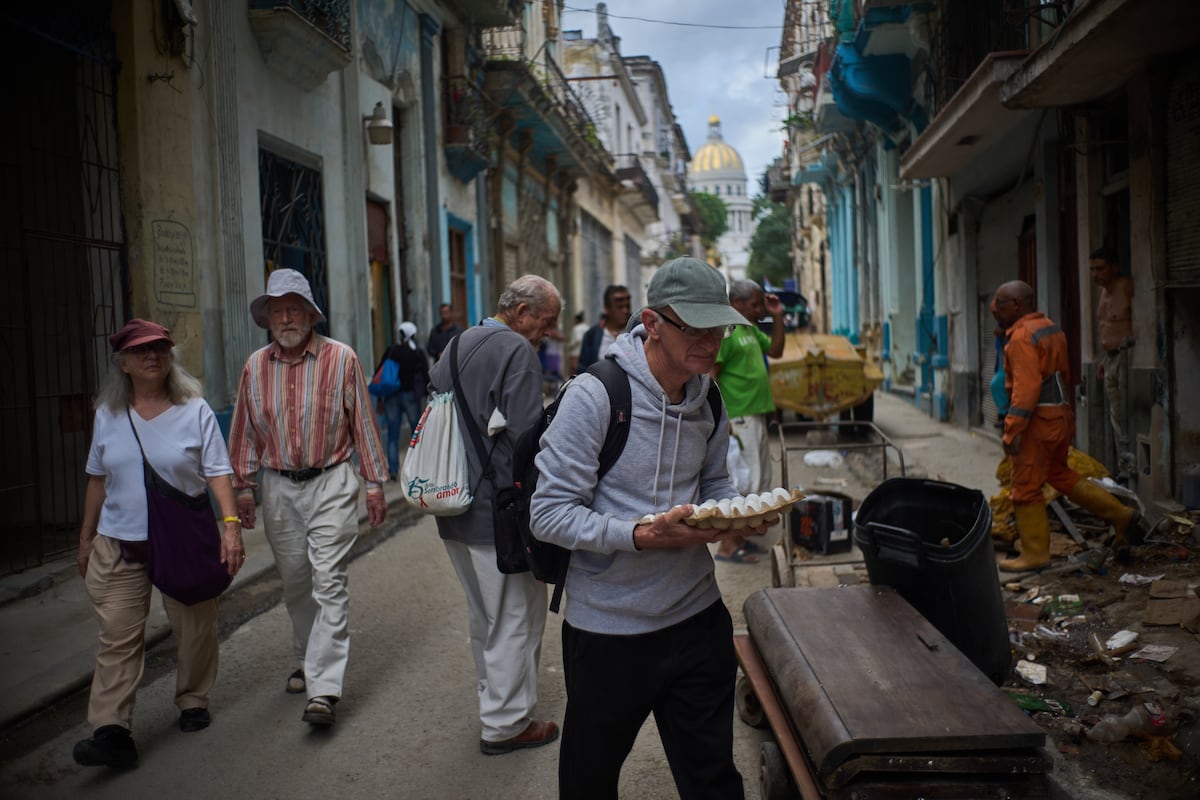
Cuba fuel blockade impact
El País reports that a coordinated “energy blockade” has choked fuel supplies to Cuba.
El País says the blockade was shaped by negotiations involving Venezuela’s Delcy Rodríguez, a January 29 executive order by Donald Trump, and participation from Mexico and Russia.
The blockade exposed deep structural weaknesses in the island’s economy.
El País reports these weaknesses precipitated severe disruptions to daily life and tourism-dependent revenue streams.
The piece frames the shock as both externally driven (the blockade and U.S. action) and internally vulnerable (long-standing economic imbalances).
Coverage Differences
Narrative Framing
El País (Western Mainstream) frames the crisis as an energy blockade involving external actors (quoting negotiations with Delcy Rodríguez and naming a January 29 executive order by Donald Trump) that reveals systemic domestic weaknesses; CBC (Western Mainstream) does not provide reporting on the substance and only supplies reporter background, meaning it neither corroborates nor challenges El País’s framing and is effectively silent on the events. The distinction is that El País offers a detailed causal account while CBC offers no substantive coverage in the provided snippet.
Cuba's economic fragility
According to El País, structural problems pre-dating the blockade — heavy dependence on subsidized fuel, a tourism-centered economy, falling GDP, reliance on remittances and chronic payment issues — meant Cuba was already fragile.
The article interprets the recent squeeze on oil as an accelerant rather than the sole cause of economic collapse.
El País argues these features made the island particularly susceptible to disruption of fuel flows and tourist cancellations.
Coverage Differences
Emphasis
El País emphasizes internal structural weaknesses (dependence on subsidized fuel, falling GDP, tourism concentration, remittances, payment problems) as key to why the energy shock became catastrophic; CBC’s provided material does not discuss these economic factors, so it is a non-source for this analytical emphasis. The difference is substantive: El País offers causal economic analysis while CBC’s snippet offers only reporter credentials and thus misses this coverage entirely.
Emergency measures and impact
El País details emergency measures implemented on the island as authorities coped with shortages.
Those measures included drastic cuts to public transport, university closures, suspension of cultural and sporting events, cancelled flights, and reassigning tourists to different hotels.
El País likens these steps to the extreme "Option Zero" policies of the 1990s Special Period.
El País argues these steps illustrate how fuel and transport shortages rapidly translate into tourism sector collapse and curtailed public life.
Coverage Differences
Tone
El País uses stark language and historical comparison (the 1990s Special Period and “Option Zero”) to convey severity; the CBC snippet does not provide reporting or tone on these events, so it neither amplifies nor tempers El País’s urgent framing. This results in a single-source, intense tone in the available material.
El País on Cuba collapse
El País explicitly rejects a simple victimhood narrative, noting that while it identifies U.S. policy moves (the January 29 executive order by Donald Trump) and a coordinated blockade as proximate triggers, it concludes these external pressures only amplified pre-existing structural failures in Cuba’s socialist model — making the collapse a 'reality check' rather than proof of helplessness.
The El País account thus assigns shared causation: external pressure plus long-running domestic policy weaknesses.
Coverage Differences
Narrative Framing
El País frames the crisis as both externally influenced and internally produced — rejecting the idea that the United States alone made Cuba a helpless victim, and instead calling the situation a ‘reality check’ that amplified harmful domestic policies. CBC again is not substantive on this topic in the provided snippet, so it offers no alternative framing or rebuttal.
El País analysis and limits
El País concludes that many analysts had forecast a collapse and that recent events made that forecast inevitable, and therefore treats the current crisis as the materialization of long-flagged risks.
I must note the limits of the available source set: the provided materials include a detailed El País analysis and only a CBC reporter bio.
That gap means corroborating perspectives from other source types (for example, West Asian outlets, Western Alternative, or Cuban state media) are not present in the documents supplied.
Because of these absences, important viewpoints, on-the-ground reporting, or alternative interpretations cannot be assessed here and should be sought before drawing definitive conclusions.
Coverage Differences
Missed Information
The combined source set is limited: El País gives analytical depth and attributes causes, while the supplied CBC text is a staff bio and contains no reporting on the crisis. As a result, the coverage lacks additional perspectives (other regional, ideological, or local outlets) that would either corroborate or challenge El País’s claims; the absence of those sources is a significant omission in the materials provided.