USA02 November, 20253 min read
Trump Administration Starves SNAP Program Amid Longest Government Shutdown in U.S. History
Trump administration uses emergency funds to partially fund SNAP at reduced levels. Government shutdown tied for longest in U.S. history, lasting 35 days and counting.

13 outlets told this the same way.
Outlets did split on Trump Interrupted by Protesters at San Antonio Rally for Ken Paxton →
SNAP Aid During Shutdown
Multiple outlets depict the shutdown-era SNAP crunch as both a legal fight and an administrative squeeze. Coverage diverges on the length of the shutdown—some say 34 days, others 35—while converging on the fact that food aid is reduced and precarious. ABC News reports a federal judge ordered the Trump administration to resume funding using over $5 billion in emergency funds and tariff revenue, calling the suspension arbitrary and harmful, even as the administration sought clarification and a legal pathway to restore payments.
“He ordered the Trump administration to resume funding using over $5 billion in emergency funds and tariff revenue, ruling the suspension arbitrary and harmful.”
Meanwhile, WEAR-tv says the shutdown has reached 35 days and the administration only pledged partial SNAP funding, covering just part of the program’s needs. BBC frames the crisis’ scale starkly, warning that over 40 million food stamp recipients are at risk as the White House moves to provide only reduced aid. Al Jazeera situates the SNAP turmoil in a wider shutdown context, noting day 35 and severe workforce strain and disruptions across essential services.

Funding Issues Affecting SNAP Benefits
The program is being starved due to partial, delayed, and uneven funding mechanisms. WEAR-tv reports that only 58% of the program’s budget is being funded. The White House has declined to use nearly $9 billion in tariff leftovers and instead tapped $4.65 billion from the USDA’s contingency fund.
This amount only partially covers November. NST Online states that the administration’s legal efforts resulted in partial payments covering only 50% of benefits. CBS News cites USDA’s Patrick Penn explaining that November SNAP benefits were reduced from contingency funds and warns states about distribution errors and delays.

The Japan Times and NBC News both caution that states may need weeks or even months to update systems. They also note that partial SNAP payments will take several weeks to arrive. At the same time, NBC reports that WIC will receive full benefits during the shutdown.
Political Dispute Over SNAP Funding
The political battle lines are sharply drawn, with each side blaming the other for starving SNAP during the standoff. ABC News reports Trump blasted Democrats as a “radical-left party,” labeled this an “Extortionist Shutdown,” urged ending the filibuster, and asked lawyers to find a legal way to restore funding, even as he primarily blamed Democrats. NST Online counters that Democrats demand ACA subsidies be extended before reopening while Republicans refuse to negotiate until the shutdown ends.
“Democrats demand extending the subsidies before reopening the government, while Republicans refuse to negotiate until the shutdown ends.”
Al-Jazeera Net adds that Trump will talk health care only after the shutdown concludes. WEAR-tv quotes Treasury Secretary Scott Bessent saying full SNAP benefits could be restored if Democrats pass the GOP funding bill. NBC News notes cautious bipartisan optimism in the Senate about a deal, though its coverage also veers to off-topic campaign endorsements by Trump.
Impact of Federal Program Shutdown
The human stakes are severe. ABC News focuses on families facing food insecurity amid the suspension. BBC quantifies the risk to over 40 million food stamp recipients.
NST Online adds that the lapse in SNAP funding affects one in eight Americans’ ability to buy groceries and says WIC and Head Start are also shut down. Al Jazeera reports day-35 shutdown strain on federal workers—hundreds of thousands furloughed and working without pay—cascading into nationwide disruptions. Букви highlights that program disruptions and shutdowns disproportionately harm Indigenous communities and threaten food and fuel security as winter approaches.

SNAP Funding and Legal Challenges
Courts, agencies, and states are now wrestling with the issue of execution related to SNAP funding. ABC News reports that Judge McConnell ordered the White House to resume SNAP funding using emergency and tariff monies. The administration sought clarification on how to implement this order.
“A federal judge ordered the White House to use emergency funds to continue SNAP payments temporarily, but the administration contends these funds are legally restricted.”
NST Online echoes the order but notes that the White House argues those emergency funds are legally restricted. The Japan Times and CBS News describe the partial compliance with the order, stating that November benefits were only partially funded using contingency funds. They also warn that states may need weeks or months to adjust their systems accordingly.
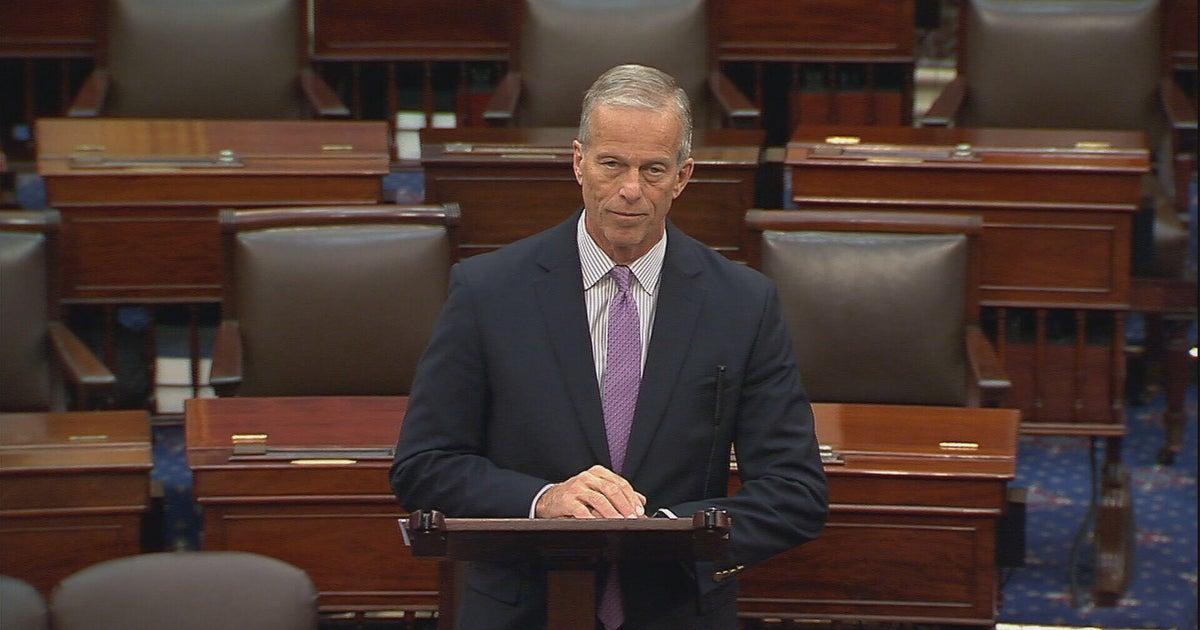
Senate Democrats, including Amy Klobuchar, condemned the partial SNAP funding as failing both legal and moral responsibilities. BBC highlights that even with emergency funds, the White House plan only provides reduced food aid rather than a full restoration.