USA13 February, 20263 min read
Trump Administration Sues Harvard, Accuses University of Withholding Race-Based Admissions Documents
Department of Justice sued Harvard for allegedly withholding admissions documents on race Lawsuit seeks records to determine whether Harvard improperly considered race in admissions

14 outlets told this the same way.
Outlets did split on Trump Interrupted by Protesters at San Antonio Rally for Ken Paxton →
DOJ seeks Harvard admissions records
The U.S. Justice Department sued Harvard in federal court in Boston, accusing the university of withholding applicant-level admissions data and other documents the government says are needed to determine whether Harvard complied with the 2023 Supreme Court ruling that curtailed race-conscious college admissions.
“The Justice Department has sued Harvard University, accusing the school of failing to comply with a federal probe by withholding applicant‑level data and other documents needed to determine whether it illegally considered race in admissions.”
Multiple outlets report the complaint seeks to compel records under Title VI of the Civil Rights Act and describes delays or refusals in Harvard's document production.
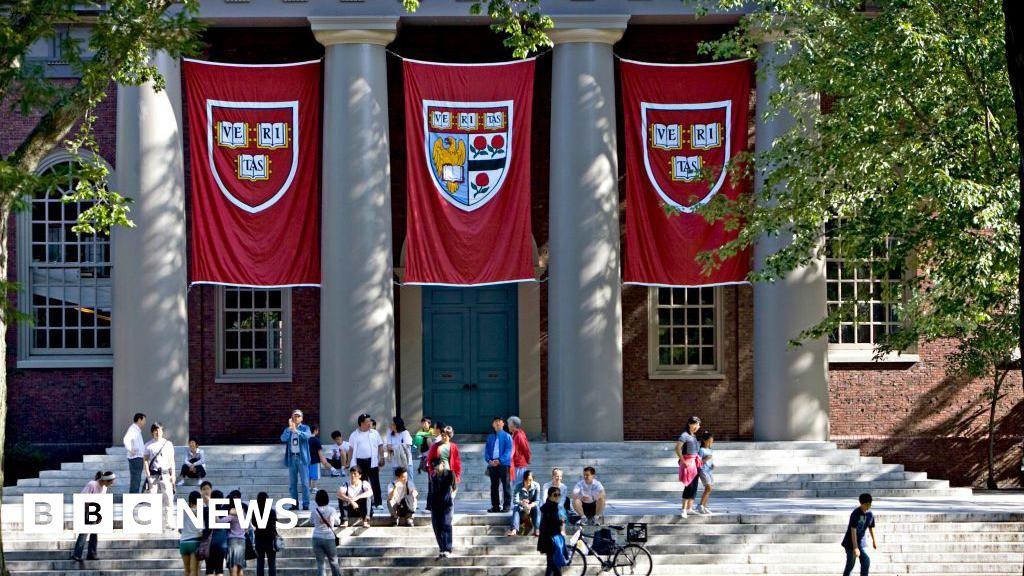
The BBC summarized the filing as accusing Harvard of "unlawfully withholding" data.
The Independent and Folha de S.Paulo emphasize the DOJ said the suit is intended only to obtain documents rather than to allege discriminatory conduct or seek funding revocation.
The DOJ's move follows a federal campaign to enforce the court's 2023 decisions and to probe university practices tied to diversity, equity, and inclusion programs.
Trump administration pressure on Harvard
The lawsuit arrives amid intensified pressure from the Trump administration on elite universities. Multiple pieces report that President Donald Trump publicly sought as much as $1 billion from Harvard earlier in the month. They also report that the administration has frozen or canceled substantial federal funding and grants to the university in recent months, though outlets vary on the amounts and timing.
The New York Post and WION note that Trump "recently said the government was seeking $1 billion in damages" and that research funding has been frozen. The Hindu and The Independent describe the demand as part of a broader campaign using federal funding to change university policies and note the administration canceled or froze research grants tied to alleged failures to address harassment of Jewish students.
&w=1920&q=75)
Harvard document dispute
DOJ filings and reporting provide specific allegations about delays and incomplete productions. NTD News reports the complaint says Harvard’s most recent production of admissions-related documents was in May 2025 and that extended deadlines have passed. WION states requested data was sought 'nearly 10 months ago' and that Attorney General Pam Bondi and the DOJ allege Harvard has 'slow‑walked' production.
“The Justice Department’s Civil Rights Division opened an investigation in April 2025 under Title VI to determine compliance; the government’s suit does not allege discriminatory conduct or seek damages or the loss of federal funding, but prosecutors say Harvard has not provided requested data and that refusal to cooperate raises concerns.”
Several outlets and the DOJ stressed the suit's narrow procedural aim, with Firstpost and The Independent noting the complaint is meant to compel documents and does not itself allege discrimination or seek funding revocation. Prosecutors say the lack of cooperation raises enforcement and compliance concerns.
Harvard legal response
Harvard’s reaction and legal countermeasures appear across the reporting. Several outlets note Harvard has previously tightened internal admissions processes, including barring alumni interviewers from mentioning race and delaying release of admissions data. Those outlets also report that the university has sued the administration over frozen grants and alleged retaliatory actions.
The Harvard Crimson details court skirmishes, including a temporary restraining order over $65 million in teacher‑training grants later overturned by the Supreme Court, and reports programmatic changes. The BBC quoted Harvard saying it 'refused to surrender its independence or relinquish its constitutional rights in response to unlawful government overreach,' and other outlets describe Harvard characterizing the administration’s tactics as ideologically motivated.

Federal funding disputes overview
Reporting shows significant but sometimes inconsistent details about the scale and consequences of federal actions. Different outlets give different figures for frozen funding: the New York Post cites roughly $2.7 billion and WION cites $2.2 billion. The Harvard Crimson and The Hindu report targeted actions such as the Department of Education’s cutoffs and the Department of Defense severing ties.
“Harvard has responded to federal pressure with layoffs, spending cuts and litigation, warning the budgetary impact could approach $1 billion a year.”
Folha reports Harvard warning that budgetary impacts could approach $1 billion a year. That mixture of specific numbers, local legal developments, and broader political framing creates uncertainty about the ultimate stakes and potential remedies, with the DOJ emphasizing document production and compliance while Harvard stresses constitutional and institutional independence.
