USA25 February, 20263 min read
Trump Administration Sues UCLA, Accuses Campus Of Enabling Antisemitic Harassment Against Jewish Staff
The Department of Justice filed a federal lawsuit against UCLA. Complaint alleges antisemitic harassment of Jewish and Israeli staff amid pro-Palestinian protests after Oct. 7.
11 outlets told this the same way.
Outlets did split on Trump Interrupted by Protesters at San Antonio Rally for Ken Paxton →
UCLA lawsuit on antisemitism
The Justice Department filed a federal civil-rights lawsuit on Feb. 24, 2026, in Los Angeles focusing on UCLA.
“The Justice Department filed a federal civil-rights lawsuit on Feb. 24, 2026, in Los Angeles accusing UCLA and University of California officials of permitting repeated antisemitic harassment of Jewish and Israeli staff during pro‑Palestinian campus protests and failing to adequately investigate or discipline after complaints.”
It accuses university officials of permitting repeated antisemitic harassment of Jewish and Israeli staff during pro-Palestinian campus protests and a 2023-24 tent encampment.
The complaint, described in an 81-page filing, says employees faced exclusion, intimidation, derogatory comments, threats, antisemitic graffiti and were at times blocked from parts of campus.
It asks a court to order institutional reforms and monetary damages for two professors who say they were harmed by a hostile work environment.
Federal lawyers frame the suit as enforcing anti-discrimination obligations that apply to institutions receiving public funds.
The action is being watched as a test of how far the federal government can compel universities to police antisemitic conduct.
UCLA encampment lawsuit
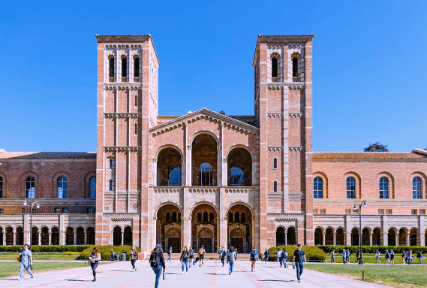
The complaint highlights a spring 2024 tent encampment on Royce Quad. It alleges the encampment and related protests included antisemitic signs and chants, blocked access for Jewish employees and students, and at times 'facilitated' or 'tolerated' grossly antisemitic acts.
Several sources note dozens were arrested in 2024 for refusing to leave an encampment, and that classroom disruptions, graffiti and threats were part of the record the DOJ uses to say UCLA failed to enforce its policies. While the lawsuit centers on incidents in 2023–24, sources link those incidents directly to the encampment and prolonged protests.

UCLA response and legal clashes
UCLA and the UC system have pushed back in varied ways across reports. The university has referred questions to the UC system and said it condemns antisemitism. It highlighted steps taken under Chancellor Julio Frenk, including investments in campus safety, an Initiative to Combat Antisemitism, a reorganized civil‑rights office, a dedicated Title VI/VII officer, and stricter protest policies.
“UCLA disputes the portrayal, noting steps taken under Chancellor Julio Frenk—investments in campus safety, an Initiative to Combat Antisemitism, a reorganized civil‑rights office, a dedicated Title VI/VII officer and stricter protest policies—and says it will vigorously defend its record.”
UCLA says it will 'vigorously defend its record.' At the same time, sources note earlier legal clashes with federal officials. Those included a July 2025 settlement of about $6 million with students and a professor, and a judge's intervention that briefly restored funding when the Trump administration tried to withhold it.
University probe and politics
News coverage situates the lawsuit within a broader political push by the Trump administration to scrutinize elite universities over alleged antisemitism and admissions practices. Outlets note the filing comes amid earlier federal actions, including a July 2025 settlement with students and a professor, earlier demands that the UC system pay $1 billion, and probes or settlements involving Columbia and Brown. The timing — reported the same day as President Trump’s State of the Union — has drawn commentary that the probe is political.
JTA reports that nine DOJ attorneys resigned from the government's UC antisemitism probe, calling it politicized. Media coverage records high‑profile lecture cancellations and security concerns tied to campus tensions.

Lawsuit seeks university reforms
The lawsuit asks courts to compel institutional reforms — stronger investigations, clearer reporting channels and mandatory training for administrators and staff — and seeks monetary or unspecified damages for employees who say they endured a hostile work environment. Some reports specify two professors seeking damages, while others characterize the relief sought as unspecified damages. The filing will proceed to discovery and is being watched as a possible test of federal authority over public universities that receive federal funds.
“Federal lawyers ask the court to order institutional reforms — stronger investigations, clearer reporting channels and mandatory training for administrators and staff — and seek monetary damages for two professors who say they were harmed by a hostile work environment.”