USA03 November, 20253 min read
Trump Administration Threatens Military Strikes in Nigeria Over Christian Killings
Trump administration designated Nigeria a 'Country of Particular Concern' for religious freedom violations. Trump threatened military action if Nigeria fails to stop large-scale killings of Christians.
22 outlets told this the same way.
Outlets did split on Trump Interrupted by Protesters at San Antonio Rally for Ken Paxton →
Trump's Nigeria Military Threat
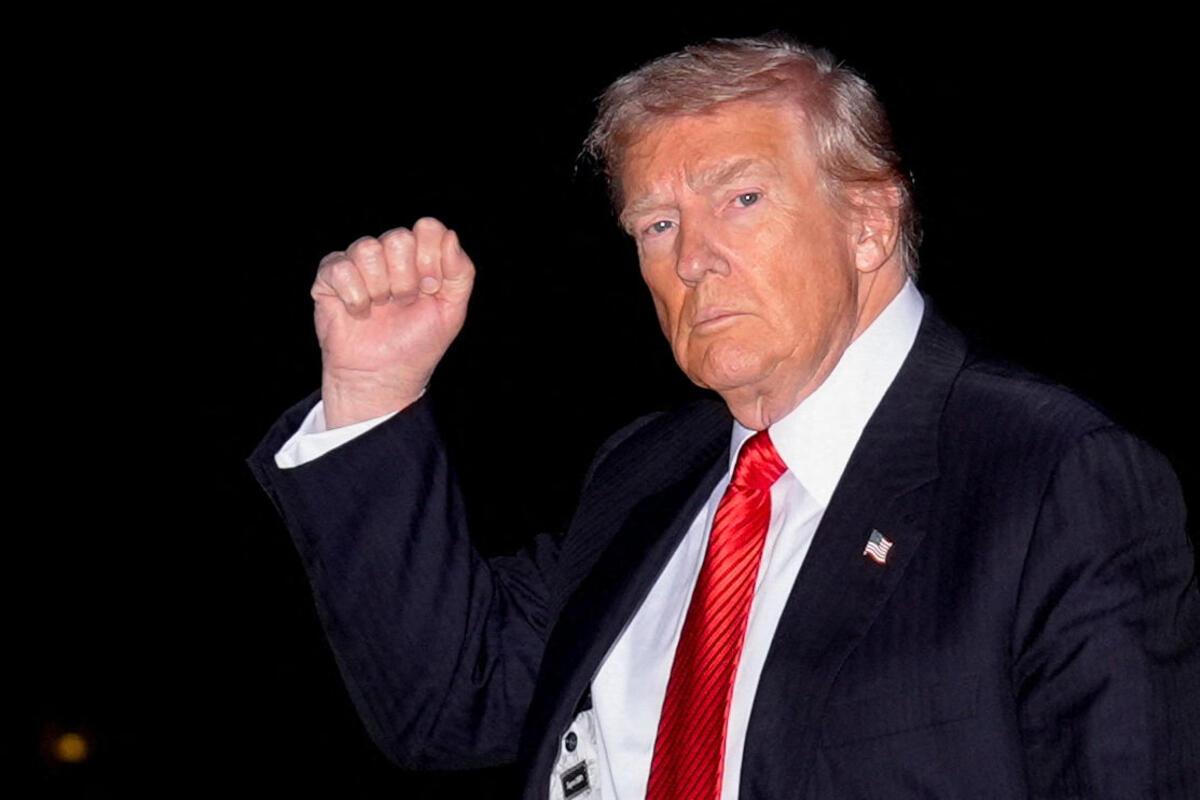
Multiple outlets report that former President Donald Trump threatened U.S. military action in Nigeria over killings of Christians. This move startled national security officials and prompted internal military discussions. CNN reports that Trump has instructed the Pentagon to prepare for potential military action.
“Trump plans to designate Nigeria as a ‘Country of Particular Concern’ under the International Religious Freedom Act and has instructed the Pentagon to prepare for potential military action, signaling a readiness to intervene aggressively.”
This is tied to a push to re-designate Nigeria as a Country of Particular Concern. The Straits Times similarly says Trump threatened military strikes there, noting the shift caught Pentagon officials off guard. Defense One characterizes it as a social media threat of possible military action.

Naijapreneur adds that Trump threatened to suspend U.S. aid and accused radical extremist groups of genocide. This frames a sharp escalation in U.S. posture toward Nigeria.
U.S. Response to Nigeria Violence
Supporters in the U.S. religious-freedom and conservative spheres cheered the tougher line. Others cautioned that Nigeria’s violence is complex and not accurately captured by genocide claims. CNN says the move is tied to religious-freedom policy, noting Trump’s plan to re-designate Nigeria as a “Country of Particular Concern,” backed by American conservatives, including Senator Ted Cruz.
CatholicVote underscores the scale of Christian suffering, saying Trump initiated this designation amid tens of thousands of Christian deaths. Evrim Ağacı reports Cruz’s sanctions push and stresses that the U.S. government did not specifically label attacks on Christians as genocide, reflecting dispute over terminology and motive. Defense One adds that public data indicates most victims are Muslims, complicating a Christians-only narrative even as U.S. rhetoric hardens.

Nigerian Response to U.S. Threats
Nigerian reactions have been sharp and sovereignty-focused, with officials and civil society warning that U.S. military threats could inflame tensions. CNN reports that the Nigerian government condemned the threat of U.S. intervention. Defense One says officials dismissed the threat as non-literal.
“The Nigerian government condemned the threat of U.S. intervention.”
The Guardian Nigeria details domestic backlash, quoting a retired general who warned such threats could disrupt Nigeria’s counterinsurgency efforts. Prominent figures also reject the genocide claims as false. Tekedia adds that any U.S. military move would represent a major escalation and could strain the countries’ historically cooperative relationship.
US Military Focus Shifts
Strategically, coverage portrays a U.S. apparatus scrambling to understand shifting priorities and legal authorities as threats extend beyond Africa.
The Straits Times reports the Nigeria focus diverted attention from traditional priorities like China, Russia, and border security, and caught Pentagon officials off guard.
CNN adds that the stance sparked urgent talks at U.S. Africa Command.
Democracy Now! raises broader War Powers concerns, reporting that the Department of Justice told lawmakers the Resolution does not apply to certain U.S. strikes and airing criticism of executive overreach.
SSBCrack News depicts a wider pattern of aggressive operations and contemplated missions in multiple theaters, suggesting Nigeria is part of a more interventionist posture.
Perspectives on Nigerian Violence
All sources acknowledge severe violence in Nigeria, but they differ on who is primarily targeted and how to describe the atrocities. CNN and The Straits Times both highlight the conflict’s complexity across religious and communal lines. Defense One cites data indicating that most victims are Muslims.
“However, data indicates most victims are Muslims, and Nigerian officials dismissed the threat as non-literal.”
CatholicVote and naijapreneur emphasize persecution of Christians, with naijapreneur relaying former President Trump’s accusation of genocide. Analysts in The Straits Times warn that extremist violence often affects Muslims the most.

At the same time, CatholicVote describes Nigeria as the deadliest country for Christians. This illustrates a fundamental factual and framing dispute that influences U.S. policy discussions.