Gaza Genocide22 January, 20263 min read
Trump Administration Unveils Controversial 'New Gaza' Megaproject at Davos
This article is an automated aggregation of coverage from news outlets. Our editorials offer in-depth analysis curated by the NewsCord team.
Trump launched a Board of Peace at Davos, chair granted sweeping authority over governance. Jared Kushner unveiled a $25 billion 'New Gaza' masterplan with skyscrapers and phased reconstruction.
68 outlets told this the same way.
ABC News was read line by line by the Watchdog: 8.8. See the score →
Davos New Gaza plan
At the World Economic Forum in Davos, the Trump administration formally launched a new Board of Peace and unveiled a sweeping New Gaza redevelopment plan presenting computer-generated images of coastal skyscrapers, luxury housing and phased redevelopment zones for Gaza's 2.1 million people. Jared Kushner led a visuals-heavy presentation showcasing luxury apartments, coastal tourism, 180 tower blocks, industrial data centres, and plans for more than 100,000 housing units and 75 medical facilities.
“At the World Economic Forum in Davos, Donald Trump signed a document establishing a new ‘board of peace’ for Gaza and unveiled CGI images of a proposed ‘new Gaza.’ Jared Kushner presented visuals showing luxury apartments, coastal tourism, 180 tower blocks, industrial data centres, and plans for more than 100,000 housing units and 75 medical facilities.”
Organizers described the initiative as a re-imagining of Gaza and a step toward demilitarization and reconstruction. The presentation was billed as part of a signing ceremony for the Board of Peace, which President Trump called a major new international body to oversee post-war recovery and conflict resolution.

Board charter controversy
The Board’s charter, its membership rules, and its financing immediately provoked controversy. Multiple outlets reported a draft offering three-year membership to invitees while awarding permanent membership to any state that contributes $1 billion in cash, a provision critics described as pay-to-play.
Several published copies or summaries of invitations did not explicitly limit the body to Gaza. Organizers released a founding charter at Davos, but reporters noted the charter’s language does not explicitly reference Gaza even though invitations framed the panel as overseeing post-war Gaza management.

Geopolitical reactions to the launch
The attendee list and immediate reactions highlighted geopolitical fractures. Several major European governments declined or publicly distanced themselves from the launch, and organizers faced pushback over invitations to Vladimir Putin and other controversial leaders. Reports said about 20 of roughly 60 invited states attended the ceremony, with Tony Blair named as a board member while other Western allies refused to join on principle.
“The event, attended by Sir Tony Blair (named as a board member), drew controversy and rejection from several Western allies: the UK (Keir Starmer), France and Germany declined to join.”
Israel’s prime minister later said he would join the board even though Israel had no representative at the event. Trump framed the board as potentially working alongside existing institutions or, as he once suggested, possibly replacing them.
Humanitarian and legal fallout
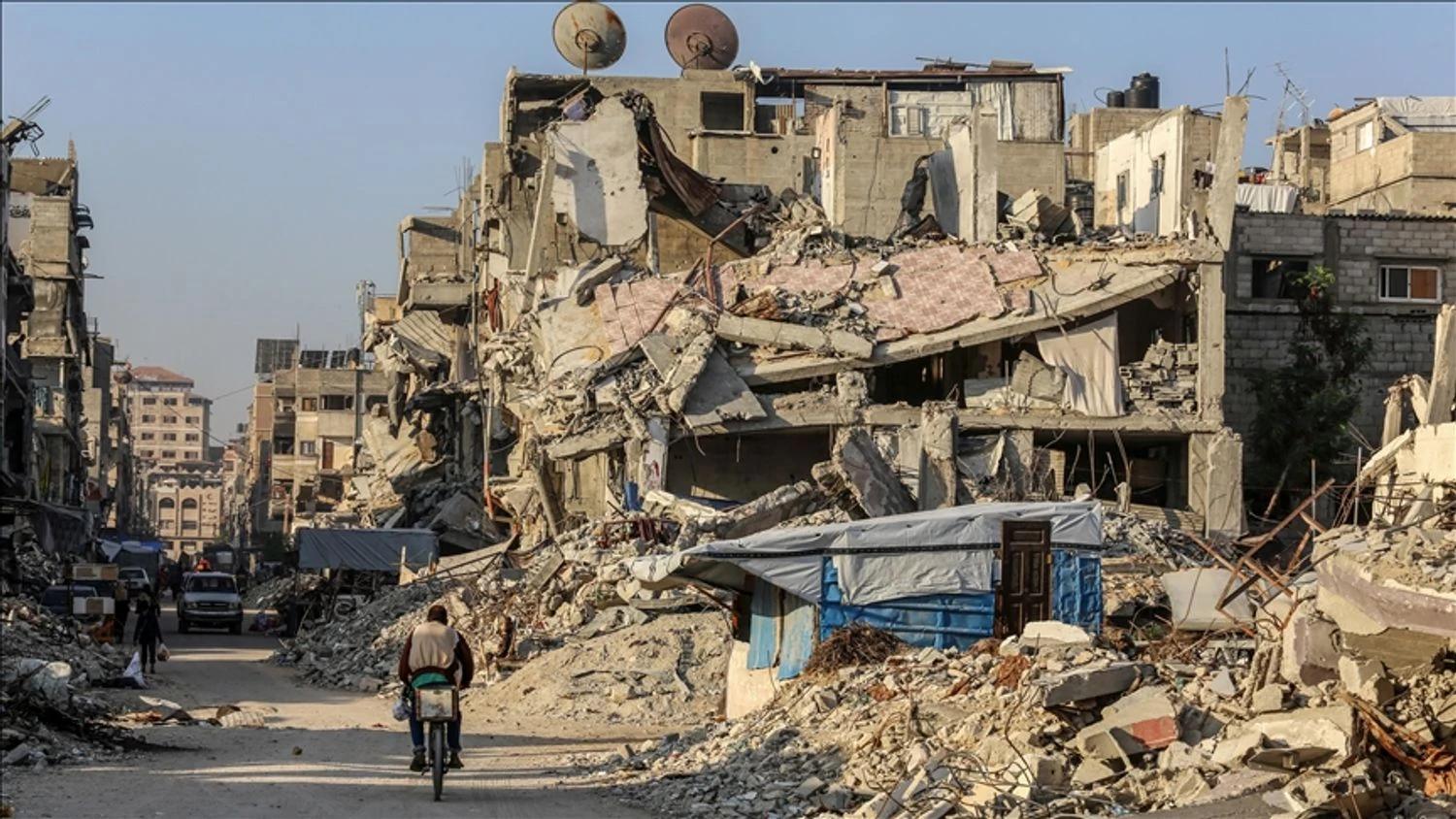
The rollout came against a catastrophic humanitarian backdrop that many outlets documented, with local and regional reporting citing massive Palestinian casualties and ongoing investigations into alleged Israeli war crimes. Local health authorities reported that the campaign has killed more than 71,000 Palestinians.
Haaretz notes that the International Criminal Court has formally accused Israeli Prime Minister Benjamin Netanyahu of war crimes, including using starvation as a method of warfare and intentionally directing attacks against civilians, and of crimes against humanity. Reporters also flagged that major questions remain about who will clear rubble, settle property-rights disputes, and deliver restitution for the displaced amid continuing Israeli military operations in Gaza.

Gaza project controversy
Analysts and critics warned the project’s combination of high-profile signatures, unclear governance and a pay-to-play funding model could undermine established multilateral institutions and exclude Palestinians from decisions affecting their land. Observers noted the charter and membership rules remain unfinished and that operational details for demolition, de-mining and property restitution were not disclosed. They also pointed out that the proposed executive and day-to-day Gaza boards have been only partially named.
“A proposed Gaza ceasefire would create an international board that includes a Gaza executive committee to handle the plan’s hard second phase—deploying an international security force, disarming Hamas, overseeing reconstruction, and supervising a Palestinian technocrats’ body for daily governance. Membership and the board’s full mandate remain unclear; Trump suggested it could replace the U.N., and the White House confirmed the U.S. is on the board.”
Supporters argue the board could mobilize private capital and act faster than the U.N. Opponents across Europe and within international institutions say legitimacy, transparency and Palestinian representation are lacking.
