USA04 February, 20263 min read
Trump Administration Withdraws 700 Immigration Agents From Minnesota After Fatal Shootings During Enforcement Surge
Administration immediately withdraws 700 federal immigration officers from Minnesota Drawdown follows two fatal shootings by federal immigration agents that sparked national outrage
22 outlets told this the same way.
Outlets did split on Trump Interrupted by Protesters at San Antonio Rally for Ken Paxton →
Minnesota federal drawdown update
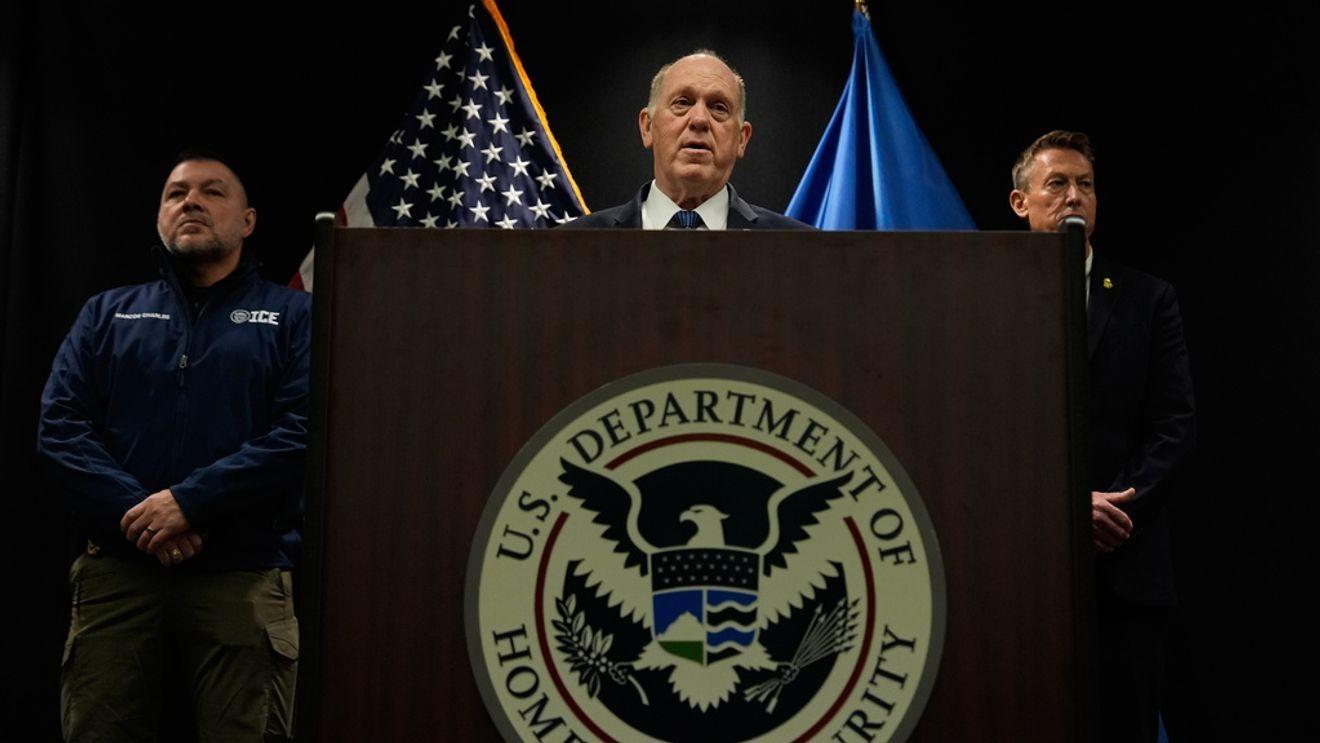
Tom Homan, the Trump administration's homeland security border czar, announced an immediate withdrawal of 700 federal immigration officers from Minnesota's enforcement surge. He described the move as a drawdown rather than an end to operations. Multiple outlets reported the reduction, describing it as roughly one-quarter of the deployed personnel.
They quoted Homan saying the drawdown was a response to increased local cooperation and changes in custody practices. The Indian Express quoted Homan saying 'an immediate drawdown of 700 federal officers from roughly 3,000 deployed in the Twin Cities,' while AP News described the cut as 'About 700 federal officers — roughly a quarter of those deployed — will be withdrawn immediately.' CNN reported the reduction cut the Operation Metro Surge presence 'from about 3,000 to roughly 2,000.'
ICE cooperation changes
Homan said the drawdown followed new cooperation agreements with local authorities that allow ICE to take custody of detainees from county jails rather than seizing people on the street. He also said CBP and ICE have been consolidated under a single chain of command. Al Jazeera reported Homan attributed the reduction to these cooperation agreements, especially arrangements to hold detainees in county jails.
The Independent and the AP echoed that jail-based custody arrangements enable smaller, targeted arrests. Several outlets reported Homan's pledge to stay in Minneapolis 'until we get it all done' and his intent to push for body-worn cameras for officers.

Drawdown amid shootings controversy
The drawdown announcement comes amid intense controversy after two fatal shootings by federal agents in the Minneapolis area — the killings of Renée (Renee) Good and Alex Pretti — which prompted protests and scrutiny of enforcement tactics. Multiple sources name the victims and link the surge to the confrontations.
“The surge... has sparked weeks of tensions... and deadly confrontations including the fatal shootings of Minneapolis residents Renée Good and Alex Pretti.”
Moneycontrol wrote that the shootings "sparked widespread outrage" and called both victims "U.S. citizens," while The Independent described Alex Pretti’s death as a "point-blank killing" and noted criticism that officials had misrepresented the incident. AP and Patch emphasized that the surge "sparked weeks of tensions" and "intensified protests" across the Twin Cities.
Media coverage and policy responses
Beyond immediate operations, outlets differ on policy framing and next steps, with several reporting Homan’s consolidation of command and a planned rollout of body cameras. WPDE and Straight Arrow note plans for body-worn cameras, Al Jazeera and The Independent report the command consolidation under ICE, and the Boston Globe summarized political scrutiny including calls for mandatory cameras and warrants and legislative pressures on DHS funding. The Australian and Straits Times quoted Homan or administration lines about "mass deportations," signaling a more aggressive policy intent conveyed in some outlets.
Media coverage and uncertainty
Key ambiguities remain and coverage varies by source type. International and West Asian outlets such as Al Jazeera emphasize the operational claim and a single chain of command. Western mainstream outlets (AP, Independent, CNN) highlight the protests, shootings, and an unclear timeline for a final pullout.
Western alternative or pro-enforcement outlets (NTD, Straight Arrow) emphasize arrests and public safety claims that justify the operation. Local reporting (Patch, Boston Globe) records pushback from state officials who dispute federal characterizations of Minnesota practices. Because of these differences, the exact scale, the timeline for a full withdrawal, and assessments of whether this is a tactical shift or a response to public pressure remain unclear across sources.
